Understanding EV Charging Installation
What is EV Charging Installation?
In the realm of electric vehicles (EVs), EV Charging Installation refers to the process of setting up charging stations to recharge electric vehicles. This involves the integration of specialized equipment, ensuring compatibility with the vehicle models, and sometimes the installation of new electrical circuits to safely accommodate the charging infrastructure. Installation can occur in both residential and commercial settings, catering to various power levels and charging speeds.
Importance of Installing EV Chargers
The importance of installing EV chargers cannot be overstated. As more consumers transition to electric mobility, the demand for convenient and efficient charging solutions grows. Proper EV charger installation ensures that electric vehicles can be charged safely and quickly. Moreover, having a charging station at home or work significantly improves the ownership experience, eliminates range anxiety, and encourages the adoption of EVs.
Types of EV Charging Stations
There are three primary types of EV charging stations, each serving different needs:
- Level 1 Charging: This method uses a standard 120-volt outlet, making it accessible but slow, typically requiring 8-20 hours for a full charge.
- Level 2 Charging: Utilizing a 240-volt outlet, this type significantly speeds up the charging process, taking anywhere from 4 to 8 hours for a full charge, making it ideal for home and commercial use.
- DC Fast Charging: This method offers rapid charging, allowing for an 80% charge in 30 minutes. It's commonly found in public charging stations along highways and is not typically suitable for home installation due to high electrical requirements.
Planning Your EV Charging Installation
Assessing Your Home's Electrical Setup
Before embarking on the installation of an EV charger, a comprehensive assessment of your home’s electrical system is crucial. Factors to consider include the current amperage of your electrical service, the condition of electrical wiring, and whether your current system can handle the additional load of an EV charger. Employing an electrician to evaluate the electrical panel and assess the feasibility of upgrades if necessary is advisable.
Choosing the Right Charger
Choosing the right charger involves evaluating your specific charging needs, vehicle compatibility, and desired charging speed. Essential considerations include:
- Charging speed preference: Determine if you need a fast charger or if overnight charging is sufficient.
- Charger compatibility: Ensure that the charger is compatible with your EV.
- Smart features: Some chargers offer Wi-Fi connectivity, scheduling options, and energy management to enhance the user experience.
Permits and Regulations for Installation
Researching local building codes and regulations is a critical step for EV Charging Installation. Many areas require permits for electrical upgrades or installations, particularly where additional power service is involved. It's best to consult local authorities or an experienced installer who is familiar with regional requirements to ensure compliance and prevent future issues.
Steps for Installing an EV Charger
Preparing for Installation
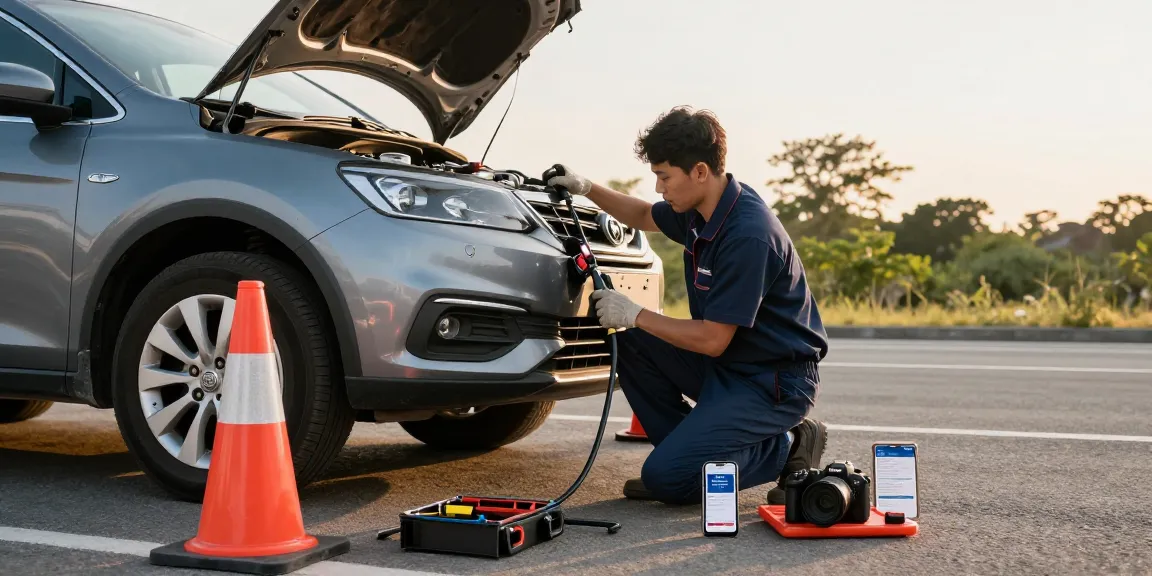
The preparatory phase for EV charger installation involves several steps, including troubleshooting existing electrical setups, verifying service capacity, and selecting a charger location that is both convenient and accessible. Ensure that the chosen site for the charger allows for safe cable management and is within reach of existing electrical outlets or panels.
Hiring a Qualified Installer
Hiring a qualified installer is crucial. Look for electricians with experience in EV charger installations, as they understand the intricacies and safety protocols involved. Review past work, customer feedback, and check for the appropriate licenses and insurance. If possible, opt for electricians who are certified by manufacturers of EV charging equipment, which can provide additional assurances of quality and reliability.
Installation Process Overview
The installation process for an EV charger typically involves:
- Conducting an electrical assessment and planning.
- Obtaining necessary permits from local authorities.
- Installing the EV charging unit, which may require running new circuits and ensuring proper electrical connections.
- Testing the installation to confirm proper functionality and safety.
Cost Considerations for EV Charging Installation
Factors Influencing Installation Costs
Cost estimates for EV charger installations can vary significantly based on several factors, such as the cost of the charger, labor rates in the area, the complexity of the installation, and whether any electrical upgrade is required. Additionally, the choice between Level 1 or Level 2 charging solutions can greatly influence overall costs, with Level 2 installations typically being more expensive due to higher electrical demands.
Average Cost Breakdown
On average, homeowners can expect to pay anywhere from $800 to $2,000 for a professionally installed EV charging station. Breakdown of costs may include:
- Charger Cost: $400 to $1,200
- Installation Labor: $300 to $800
- Additional Electrical Work: $100 to $500
Keep in mind that additional costs may arise if upgrades to the electrical panel or circuit are required. Always seek comprehensive quotes from potential installers.
Long-term Savings from EV Chargers
Investing in EV Charging Installation can yield significant long-term savings. With rising fuel costs and increasing electricity rates, the economics of charging at home can lead to reduced fuel expenses over time. Moreover, some utility companies offer reduced rates during off-peak hours, which can further enhance savings. Lastly, government incentives and rebates for electric vehicle adoption can offset initial installation costs.
Frequently Asked Questions about EV Charging Installation
How much does it cost to have an EV charging point installed?
The cost to install an EV charging point can range from $800 to $2,000, including parts and labor. Prices vary based on installation complexity, charger choice, and electrical upgrades needed.
Can a regular electrician install an EV charger?
Yes, qualified and experienced electricians can install EV chargers. It's essential that they understand the specifications and requirements of EV charging systems to ensure safety and compliance.
Do I need a permit for EV charger installation?
In most cases, you will need a permit to install an EV charger. Check with your local regulations and codes to ensure compliance prior to installation.
How long does it take to install an EV charger?
Installation time can vary but typically takes 4 to 8 hours depending on the complexity of the installation, including any required electrical work or upgrades.
What are the maintenance requirements for an EV charger?
EV chargers require minimal maintenance. Regularly inspect for damage, keep the unit clean, and ensure connections remain secure. Follow manufacturer guidelines for any necessary servicing.