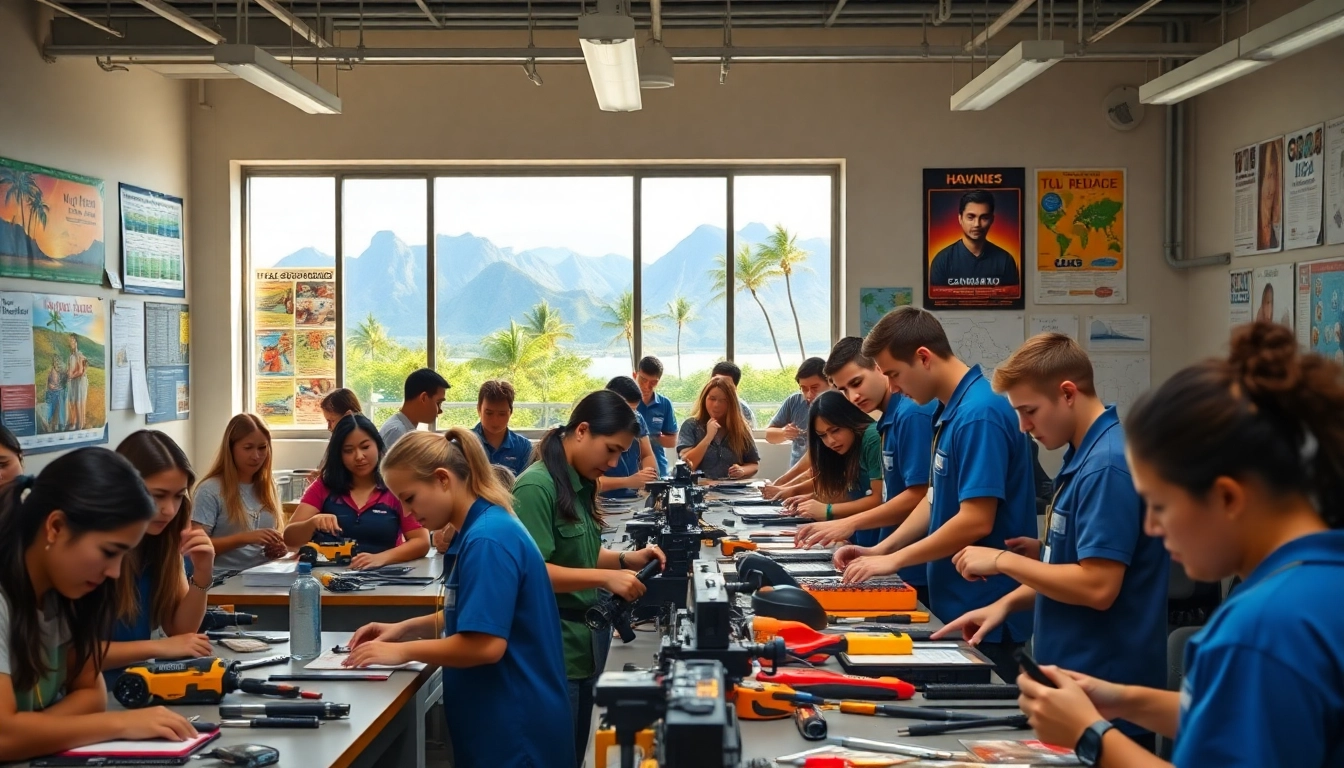
Understanding Trade Schools in Hawaii
In an ever-evolving job market, many individuals are exploring educational paths that provide practical, hands-on skills leading directly to employment. This has driven an increased interest in trade schools in Hawaii, institutions that equip students with the technical knowledge necessary to thrive in various industries. Offering a unique blend of theory and practice, trade schools focus not just on academic learning, but on preparing students for successful careers.
What Are Trade Schools?
Trade schools, also known as vocational or technical schools, specialize in training individuals for specific occupations. These institutions offer short-term programs, typically ranging from several months to two years, that culminate in certifications or diplomas. Unlike traditional degrees offered by colleges and universities, trade school programs emphasize skill development, practical experience, and readiness for the workforce. Common areas of study include fields like automotive repair, culinary arts, healthcare, and information technology.
Benefits of Attending Trade Schools in Hawaii
Choosing to attend a trade school in Hawaii comes with numerous benefits:
- Shorter Duration: Trade programs are generally quicker to complete than traditional college degrees. This quicker timeline allows for earlier entry into the workforce.
- Cost-Effective: With lower tuition fees compared to traditional colleges, trade schools often represent a more affordable educational route.
- Hands-On Learning: Many trade programs prioritize hands-on training. This gives students real-life experience in their chosen fields before they graduate.
- Job Readiness: Trade schools often have strong connections with local industries, aiding in job placements for graduates.
- Focus on Growth Industries: Many trade schools align their programs with in-demand careers, ensuring students are training for jobs with abundant opportunities.
How Trade Schools Differ from Traditional Colleges
Understanding the differences between trade schools and traditional colleges is essential for prospective students. Here are some key distinctions:
- Curriculum: Trade schools provide a focused curriculum centered on skill development, while colleges offer broader educational experiences including general education courses.
- Length of Study: Most trade programs can be completed in one to two years, compared to four or more years for a bachelor's degree.
- Career Preparation: Trade schools prioritize career readiness and often include internships or apprenticeships, while traditional colleges may emphasize theoretical knowledge.
- Cost and Debt: Attending trade schools typically results in significantly less student debt due to their lower costs.
Popular Programs Offered at Trade Schools in Hawaii
Hawaii's trade schools offer a variety of programs tailored to meet the needs of both students and employers. Students can choose from a range of vocational paths that align with local job demands.
Hands-On Programs for In-Demand Careers
Some of the most coveted programs include:
- Healthcare Programs: This includes training for nursing assistants, medical coding, and respiratory therapy—critical roles in Hawaii's healthcare system.
- Culinary Arts: Given Hawaii's vibrant food culture, culinary training is popular, focusing on both traditional and modern preparation methods.
- Construction Trades: With a booming construction industry, programs in carpentry, plumbing, and electrical work are in high demand.
- Information Technology: IT programs focus on skills like networking, cybersecurity, and web development, crucial for the modern workforce.
Certificate vs. Degree: What’s Best for You?
Choosing between a certificate and degree can impact your career trajectory:
- Certificates: Often faster to obtain, these are focused on specific skills and are ideal for quick entry into the job market.
- Degrees: While longer and often more expensive, degrees can lead to higher-paying positions and more advanced opportunities.
Assess your career goals, financial situation, and the time you can dedicate to education to determine what path is best for you.
Top Fields to Consider for Your Education
When considering fields for trade school education, think about local industry demands:
- Automotive Technology: Hawaii has a strong need for skilled auto technicians due to its unique vehicle requirements.
- Hospitality Management: With tourism being a central part of Hawaii's economy, hospitality programs lead to opportunities in hotels and restaurants.
- Web Development: As businesses move online, web development skills are increasingly in demand, providing various job opportunities.
Navigating Admissions for Trade Schools in Hawaii
The admissions process for trade schools can vary, but generally follows these steps:
Application Process: Steps to Follow
To apply to a trade school in Hawaii, follow these steps:
- Research Schools: Identify trade schools that offer programs aligned with your career goals.
- Review Requirements: Check application requirements which may include transcripts, letters of recommendation, and entrance exams.
- Submit Applications: Complete and submit all required documents by the specified deadlines.
- Interview Process: Some programs may require interviews, so prepare to discuss your interest and goals.
Financial Aid Options for Students
Financial aid can significantly mitigate the cost of attending trade schools. Options include:
- Federal Financial Aid: Fill out the FAFSA to determine eligibility for grants and loans.
- Scholarships: Many trade schools offer scholarships based on merit, need, or specific skill sets.
- Work-Study Programs: Some institutions have work-study opportunities that allow students to earn money while studying.
Explore all available funding sources to ensure you can afford your education.
Preparing for Interviews and Campus Visits
Preparation is key for interviews or campus visits:
- Research the School: Understand the programs, culture, and faculty to engage meaningfully during your visit.
- Dress Professionally: Present yourself well to create a positive first impression.
- Prepare Questions: Have questions ready that allow you to evaluate if the trade school is the right fit for you.
Success Stories from Trade Schools in Hawaii
Trade schools in Hawaii produce success stories that highlight the impact of vocational education on individuals’ lives.
Student Testimonials and Career Advancements
Many graduates express gratitude for the hands-on training and direct connections to employment opportunities. Testimonials often highlight how quickly they found jobs in their fields after graduation.
Alumni Contributions to Local Industries
Alumni frequently become industry leaders, contributing significantly to Hawaii's local economy. Through their skills, they enhance the workforce and help mentor new students.
Building a Professional Network Through Trade Schools
Trade schools facilitate networking through workshops, job fairs, and alumni events, allowing students to meet potential employers and industry professionals.
Frequently Asked Questions about Trade Schools in Hawaii
What can I expect from trade school programs?
You can expect hands-on training, industry-relevant coursework, and a focus on practical skills designed to prepare you for immediate employment in your chosen field.
How do I choose the right trade school for my career goals?
Consider the programs offered, accreditation, location, costs, and job placement rates to ensure that the school aligns with your specific career ambitions.
What financial aid options are available to me?
Financial aid options include federal grants, state financial aid, scholarships from individual schools, and work-study programs to help offset educational costs.
Is there a demand for graduates from trade schools?
Yes, trade school graduates are in high demand, especially in fields like healthcare, technology, and skilled trades as many industries face a skills shortage.
How long does it take to complete a trade school program?
Most trade school programs can be completed within one to two years, depending on the specific field of study and the nature of the program.