Understanding the Fly Fishing Vest
What is a Fly Fishing Vest?
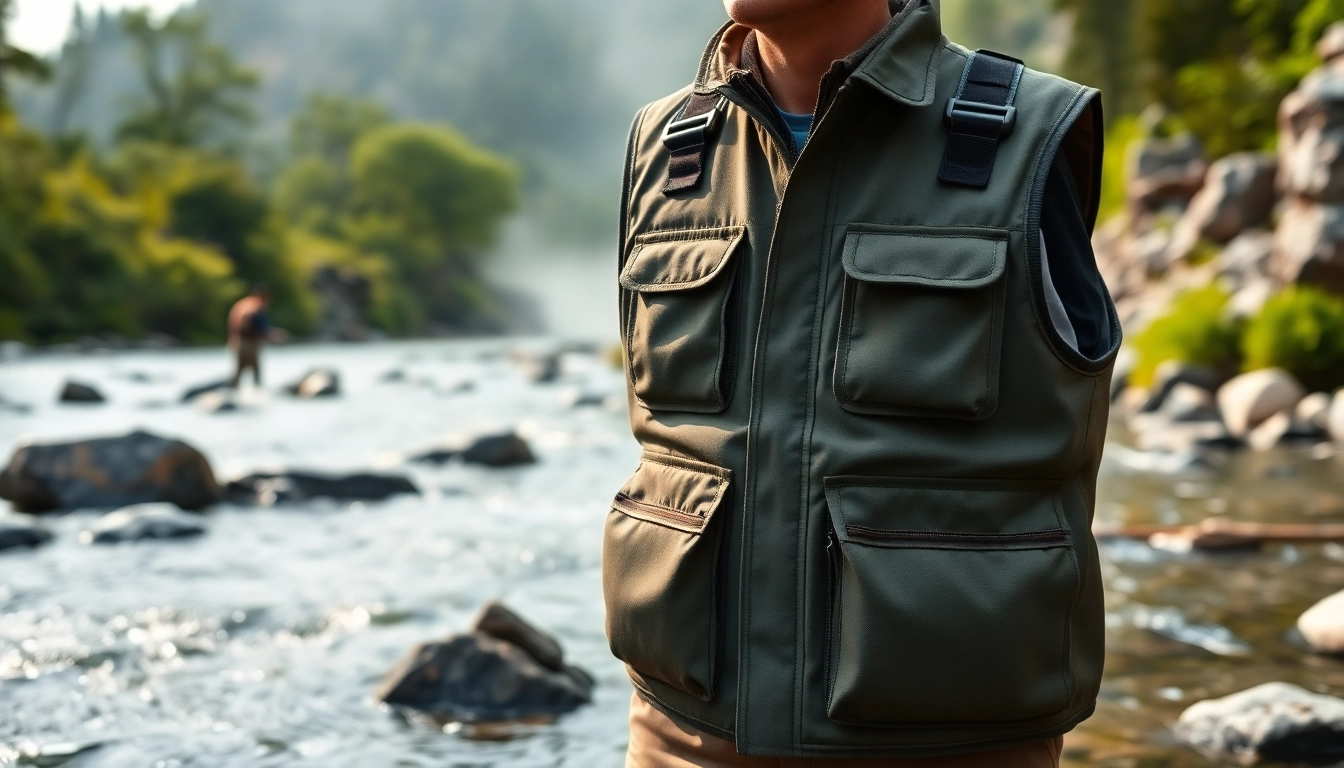
A fly fishing vest is a specialized garment designed for anglers who practice fly fishing, providing convenient storage and easy access to essential gear while on the water. Typically crafted from durable, lightweight materials, these vests integrate various pockets and attachment points to hold tools, flies, and personal items securely. They blend functionality with comfort, ensuring that fly fishers can remain focused on their pursuit without being hindered by cumbersome gear. A well-designed fly fishing vest can significantly enhance a fishing experience, allowing enthusiasts to carry everything they need in an organized manner.
Key Features to Look for in Fly Fishing Vest
When selecting a fly fishing vest, several critical features should not be overlooked. Firstly, pocket configuration is paramount; a variety of pocket sizes should accommodate different tools, while mesh pockets allow for quick drying of wet items. Secondly, material quality is essential; look for waterproof or water-resistant fabrics to protect your gear from the elements. Thirdly, adjustability in sizing ensures a snug fit for all-day comfort, while ventilation promotes airflow during warm days. Lastly, consider integrated tool attachment points, which provide easy access to essential fishing tools like nippers, forceps, and tippets.
Different Styles of Fly Fishing Vest
Fly fishing vests come in various styles, catering to diverse angler preferences and fishing situations. Traditional vests boast numerous pockets and storage options but can be bulkier. Lightweight vests, typically made from breathable fabrics, prioritize comfort and ease of movement for long days on the water. Hybrid vests often incorporate elements of both vests and packs, blending compact storage and versatility. Lastly, specialty vests designed for specific environments, such as saltwater fishing, may feature added sun protection or corrosion-resistant materials.
Benefits of Using a Fly Fishing Vest
Convenience and Storage Solutions
One of the most significant advantages of a fly fishing vest is its ability to consolidate essential gear in one convenient location. Rather than fumbling through a backpack or tackle box, anglers can easily access their tools while standing or wading, which translates to a more productive fishing experience. By organizing gear into various pockets, a vest reduces clutter and saves time. Additionally, a vest allows quick transitions between spots, as gear can be effortlessly carried along without the need for excessive packing.
Enhanced Comfort During Fishing Trips
Comfort is a crucial aspect of any fishing trip, and the right fly fishing vest can significantly elevate the overall experience. Many vests are designed with ergonomic features, including padding in the shoulders and back to alleviate strain during long days of use. Moreover, breathable fabrics allow for moisture control, making the vest suitable for fishing in a range of weather conditions. An ideal vest will provide a balanced and comfortable fit, allowing the angler to focus on the fishing itself without distraction.
Impact on Fishing Efficiency
The efficiency of fishing can also improve with the use of a fly fishing vest. A well-organized vest enables quick access to flies, lines, and tools, minimizing wasted time on re-rigging or searching for gear. Additionally, rapidly altering setups or changing flies means more time spent actively engaging with fish. The more organized and prepared the angler is, the better the likelihood they will have a successful trip, making a fly fishing vest a valuable investment for serious enthusiasts.
Choosing the Right Fly Fishing Vest for Your Needs
Assessing Your Fishing Style
Different fishing styles call for unique features in a fly fishing vest. For instance, if you frequently wade through rivers, a lightweight vest that minimizes bulk and enhances mobility may be ideal. Alternatively, for boat fishing, a vest with more extensive storage options could be more beneficial. Understanding your usual fishing environment and style is pivotal for selecting a vest that aligns with your unique needs.
Considering Weather Conditions
Weather can play a significant role in your comfort level during fishing trips. For anglers who often face varying conditions, a vest made of weather-resistant materials is essential. Vests with thermal lining work well for colder climates, while those with breathable mesh are preferable for hotter days. Before purchasing, consider the typical seasons and local weather conditions to choose a vest that will keep you comfortable and functional throughout your adventures.
Budgeting for a Quality Fly Fishing Vest
Investing in a quality fly fishing vest is crucial, as it can enhance your experience and performance. Prices can range significantly based on features, material, and brand. It’s important to develop a budget that balances quality and cost-effectiveness. Remember that the cheapest option may not offer the durability or functionalities you need. Look for well-reviewed vests that fit within your price range and prioritize longevity and usability over initial savings.
Top Care Tips for Your Fly Fishing Vest
Cleaning and Maintenance Practices
Regular cleaning and maintenance will prolong the life of your fly fishing vest. After each fishing trip, rinse the vest to remove salt, dirt, or mud. If necessary, use mild soap and water to clean stubborn stains, then allow it to air dry completely to prevent mildew. Regular inspections for wear and tear will help maintain functionality and aesthetics, ensuring that you are always prepared when it's time to hit the water.
Storage Recommendations
Storing your vest correctly is essential for preserving its condition. Avoid leaving it crumpled in a bag; instead, hang it in a cool, dry area away from direct sunlight, which can cause materials to fade or degrade. If possible, store your vest in a breathable garment bag to protect it from dust and environmental damage. The right storage solutions help to maintain shape and durability, safeguarding your investment for years to come.
Repairing Common Wear and Tear
Even the best fly fishing vests can experience wear and tear over time. Common issues may include frayed seams or broken zippers. It's advisable to know basic repair techniques, such as stitching or applying fabric patches for minor tears. Some manufacturers offer repair services, so check the warranty and customer support options if significant damage occurs. Addressing wear promptly can make all the difference in maintaining an effective and enjoyable fishing setup.
FAQs About Fly Fishing Vests
What size fly fishing vest should I buy?
The size of your fly fishing vest should be based on your chest measurement. Most manufacturers provide size charts, so be sure to refer to those for the best fit. Adjustable straps can help accommodate different clothing layers.
Are fly fishing vests waterproof?
Not all fly fishing vests are waterproof. Look for vests labeled as water-resistant or waterproof if you plan to fish in wet conditions. Check the fabric specifications to ensure they meet your needs.
How much gear can a fly fishing vest hold?
Gear capacity varies by vest design, but typically, a standard fly fishing vest can hold a variety of flies, tools, and personal items. Look for vests with multiple pockets to maximize storage potential.
Can I customize my fly fishing vest?
Many vests are designed with customizable features like adjustable straps or removable pockets. Some brands also allow you to personalize your vest with patches or embroidery for a unique look.
What’s the difference between a vest and a pack?
A fly fishing vest offers easy access to gear directly on the body, while a pack stores gear on your back, which may require removing it for access. Vests tend to provide immediate usability, while packs can offer more storage capacity.