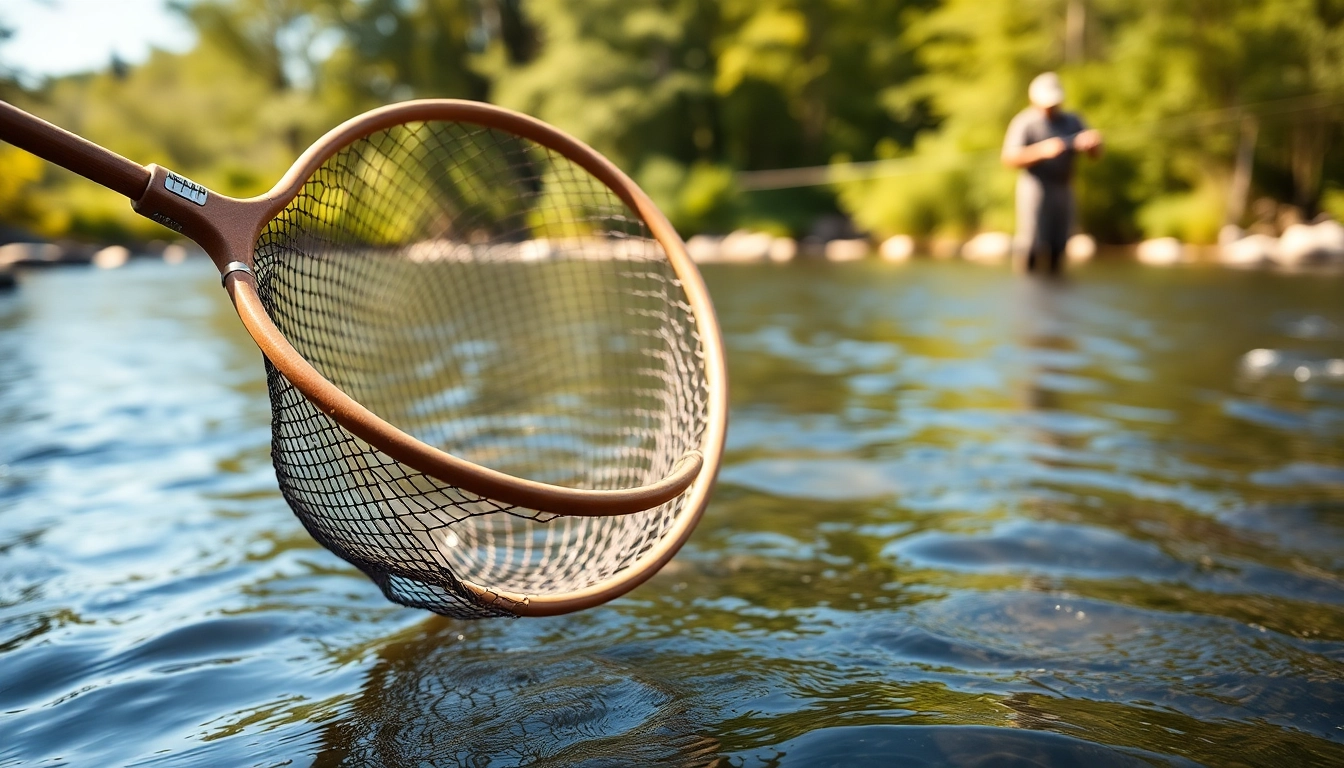
Understanding the Importance of a Fly Fishing Net
Why Use a Fly Fishing Net?
When it comes to the art of fly fishing, having the right equipment can make a significant difference in both your success and the well-being of the fish you catch. A fly fishing net is not simply an accessory; it serves a crucial role in the process of catching, landing, and releasing fish. The fundamental purpose of a fly fishing net is to provide a gentle mechanism for securing your catch without causing damage to delicate scales or fins. Unlike traditional fishing nets, which can be poorly suited for catch-and-release practices, fly fishing nets typically feature softer mesh and a design that minimizes injury to the fish. In addition to safeguarding aquatic life, a net also enhances your overall angling experience, making it easier to handle fish effectively.
Types of Fly Fishing Nets Available
Fly fishing nets come in several varieties, each designed to suit various fishing environments and personal angler preferences. The most common types include:
- Landing Nets: These are the most traditional types, characterized by a hoop and a handle. Often made of aluminum, they can be lightweight and easy to use.
- Rubber Nets: These nets are designed with a softer material that prevents fish from slipping out and reduces the likelihood of injury. They are an excellent choice for catch-and-release fishing.
- Folding Nets: Ideal for portability, folding nets can collapse for easy storage and transport, making them perfect for backpackers or those who travel frequently.
- Net Bags: These can be spun on various hoops and handles, offering versatility and customization options based on your fishing needs.
Key Features to Consider
When selecting a fly fishing net, several key features should inform your decision-making process:
- Mesh Type: Choose a mesh that is gentle yet resilient, allowing for water flow while preventing potential snagging of fins.
- Handle Length: Depending on your fishing style, a longer handle may provide better reach for landing larger fish.
- Weight: A lightweight design is essential for ease of use and portability, particularly if you’re wading through streams or hiking to remote locations.
- Hoop Size: Consider the size of fish you typically catch; larger hoops can accommodate bigger fish while ensuring a safer experience.
Factors to Consider When Buying a Fly Fishing Net
Material Types: What Works Best?
The material of your fly fishing net is critical to its performance and longevity. Common materials include:
- Aluminum: Lightweight and durable, aluminum is a popular choice. It resists corrosion and is typically easier to maneuver.
- Wood: Wooden nets often appeal to those who value aesthetics. While heavier, they can be remarkably resilient and offer a classic feel.
- Composite Materials: These often come with a rubberized finish, providing durability while being gentler on fish.
Choose a material that best aligns with your needs and fishing environment for optimal effectiveness.
Size Matters: Choosing the Right Dimensions
Selecting the appropriate size of your fly fishing net is essential. Consider both the species you’re targeting and the venues you frequent. For example:
- Smaller Nets: Suitable for smaller fish species found in freshwater streams.
- Larger Nets: Necessary for saltwater fishing or for catching larger freshwater species.
- Hoop Diameter: A hoop diameter of 16 to 20 inches typically accommodates a range of trout sizes effectively.
Weight and Portability: Balancing Convenience and Function
As any angler knows, convenience is key when it comes to fishing gear. A lightweight net reduces strain during long hikes to your fishing spot. Compact nets are easier to store and transport, especially if you’re using a backpack or kayak. Evaluate the trade-offs between net size and weight to find the right balance for your fishing style.
Best Practices for Using a Fly Fishing Net
How to Properly Land a Catch with Your Net
Landing a fish smoothly and effectively is critical for both your success and the health of the fish.
- Approach the fish slowly and quietly to avoid startling it.
- Use the net to scoop from behind the fish rather than approaching it from the front to minimize stress.
- Once the fish is in the net, keep the fish submerged in water while you handle it to help it remain calm and hydrated.
Maintaining Your Fly Fishing Net for Longevity
Taking care of your fly fishing net is essential for maintaining its functionality. Regularly rinse the net in freshwater after use to remove debris and prevent corrosion. Store it in a cool, dry place, and avoid prolonged exposure to direct sunlight to prevent degradation of materials.
Common Mistakes to Avoid
Some common pitfalls can be easily avoided when using a fly fishing net:
- Using a net that is too large or unwieldy for smaller fish can lead to improper handling.
- Not rinsing your net after each trip can lead to mold and other issues.
- Forgetting to practice your landing technique can result in lost catches and stressed fish.
Comparing Top Fly Fishing Nets on the Market
Budget-Friendly Options for Beginners
If you’re just starting in the world of fly fishing, you don’t have to break the bank to get a quality net. There are plenty of budget-friendly options available without sacrificing quality. Look for nets with durable yet lightweight frames and gentle mesh nets. Brands such as South Bend and Yak Gear often offer reliable entry-level fishing nets suitable for simple tasks.
Professional-Grade Nets for Serious Anglers
For more seasoned anglers, investing in a premium net ensures superior performance. Consider brands like Abel or Fishpond, which offer specialized nets designed for optimal fish handling and longevity. Look for features such as reinforced seams, ergonomic grips, and advanced materials that enhance your fishing experience.
Brand Comparisons: What Sets Them Apart?
When comparing top brands, consider the nuances that set them apart:
- Abel: Known for high-quality craftsmanship and customization options.
- Fishpond: Offers environmentally friendly options, often incorporating recycled materials.
- Orvis: A longstanding name in the hunting and fishing community renowned for durable and reliable gear.
Enhancing Your Fly Fishing Experience with a Quality Net
Integrating Accessories with Your Fly Fishing Net
Enhancing your fly fishing experience includes optimally utilizing your net alongside various accessories:
- Net Release Tools: Handy tools can aid in managing your catch, ensuring you keep your net and hands free.
- Net Attachments: Accessories like net retractors can help keep your net within easy reach without the risk of dropping it.
- Storage Bags: These can protect your net during transport and help keep it free from damage.
Testimonials: What Fellow Anglers Say
Feedback from experienced anglers can provide valuable insights when considering a new fly fishing net. Many enthusiasts rave about the ease of handling with rubber nets and the importance of investing in the right size nets. Testimonials often highlight the experience of landing fish smoothly with a high-quality net versus struggling with outdated or poorly designed models.
Conclusion: Your Perfect Fly Fishing Net Awaits
In conclusion, choosing the right fly fishing net is a blend of understanding your fishing requirements, evaluating materials, and considering practical usage. Investing time in selecting an appropriate net can enhance your fishing experience, lead to more successful landings, and promote the well-being of aquatic life. Regardless of your expertise level, a well-chosen net will serve as a valuable ally in every fishing excursion. Let the adventure begin, and may your next catch be as unforgettable as the thrill of the chase!