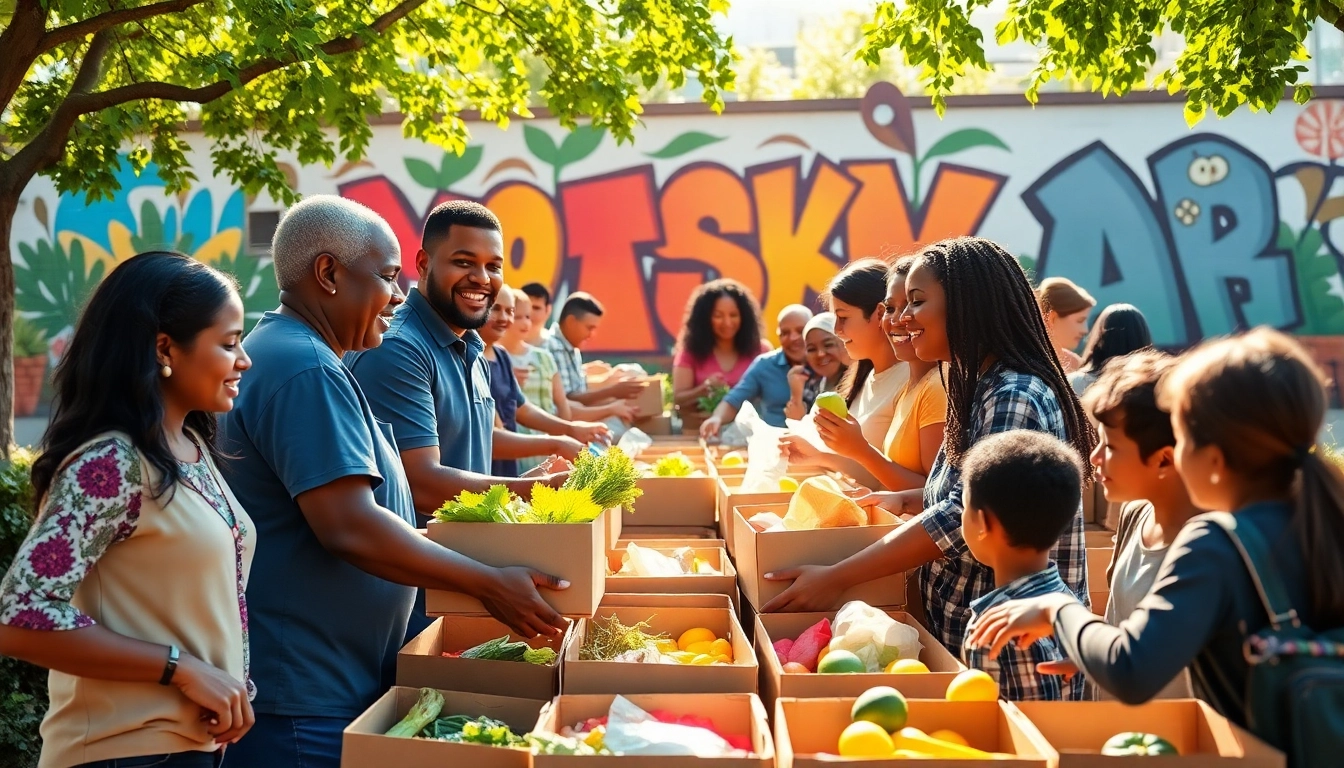
Understanding Free Food Resources
Access to Free Food is critical for individuals and families facing food insecurity. Understanding the landscape of free food resources is essential for maximizing access to help. These resources come in various forms, each designed to meet a range of needs. Below, we delve into the different types of food assistance programs available, the eligibility requirements, and how to navigate local food assistance systems.
Types of Free Food Assistance Programs
Free food assistance programs can be categorized broadly into three types: food banks, meal programs, and community initiatives. Each serves distinct roles in addressing food insecurity.
Food Banks
Food banks act as warehouses that collect, store, and distribute food through various affiliated organizations and agencies. They often receive surplus food from manufacturers, retailers, and donations, which they then distribute to shelters, food pantries, and soup kitchens. These programs are critical in ensuring a steady supply of non-perishable food items.
Meal Programs
Meal programs, including soup kitchens and community kitchens, provide cooked meals to those in need. Many of these services are run by nonprofits or religious organizations and often focus on providing nutritious meals to vulnerable populations, including the elderly and homeless individuals.
Community Initiatives
Many communities host initiatives that aim to address food deserts and improve food security. These can include mobile food pantries, farmers markets that accept food stamps, and community gardens. Programs that provide fresh produce directly to the community help ensure access to healthy options.
Eligibility for Free Food Services
Understanding eligibility criteria is crucial for accessing free food services. While specific requirements may vary by program and location, several common factors typically determine eligibility:
- Income Level: Many programs require that households have an income below a certain threshold, often aligned with federal poverty guidelines.
- Residency: Proof of residency may be needed to access local services.
- Household Size: The number of individuals in a household can affect eligibility and the amount of support available.
- Special Circumstances: Certain programs may specifically assist vulnerable populations, such as veterans, seniors, and individuals with disabilities.
How to Navigate Local Food Assistance
Navigating local food assistance can be daunting, but several steps can simplify the process:
- Research Local Services: Familiarize yourself with food banks, pantries, and meal programs available in your area by visiting websites or local community boards.
- Utilize Online Tools: Many organizations have online tools that allow you to search for food assistance based on your zip code.
- Contact Organizations Directly: If unsure about eligibility or services, don’t hesitate to call local food banks or agencies for assistance.
- Gather Necessary Documentation: Having identification, proof of income, and residency can hasten the process when applying for assistance.
Finding Free Food Options Near You
Finding free food options near you requires utilizing multiple resources and tools. Here's how you can locate available support effectively.
Using Online Tools and Apps for Free Food
Several innovative online tools and mobile apps provide real-time information about available food resources. Here are some popular options:
- Food Finder Websites: Websites like 211.org offer comprehensive databases to find local food assistance by entering a zip code.
- Mobile Applications: Apps such as MealConnect help users find food banks and pantries while tracking down surplus food available in their vicinity.
- Social Media Platforms: Many community organizations share real-time updates on food distribution events through social media, making it easier to stay informed.
Community Initiatives and Events for Free Food
Community events and initiatives can also be valuable sources for obtaining free food:
- Food Drives: Regularly scheduled food drives in neighborhoods often provide essential items to those in need.
- Harvest Festivals: Some communities celebrate harvests by distributing fresh produce to residents. Participating in these events fosters community bonds.
- Cultural Food Events: Many cultural groups host food events, providing meals and promoting community welfare.
Connecting with Local Food Banks and Pantries
Building relationships with local food banks and pantries can enhance your access to resources. Here’s how to establish those connections:
- Visit Regularly: Frequent visits can help you stay informed about new programs, available resources, and upcoming events.
- Engage with Staff: Building rapport with staff at food assistance sites can provide insights and assistance in navigating the system.
- Ask About Educational Programs: Many food banks offer cooking classes or budgeting workshops alongside food distribution services.
Maximizing Your Access to Free Food
To make the most of available free food resources, taking strategic steps can lead to better outcomes. Here are some tips:
Tips for Efficiently Using Food Assistance Programs
Efficient usage of food assistance programs can help you stay nourished without overspending:
- Create a Food Plan: Planning meals based on available resources can reduce waste and ensure variety.
- Coordinate Visits: If using multiple agencies, coordinate visits to extend your food supply.
- Stay Organized: Keep a schedule of food distributions to ensure you never miss an opportunity.
Volunteering at Food Banks for Additional Benefits
Volunteering at food banks can provide benefits beyond helping others:
- Access to Resources: Volunteers often have first access to food items or special distributions.
- Community Connections: Volunteering helps build networks and friendships among those facing similar challenges.
- Skill Development: Engaging in volunteer work can develop skills that improve employability.
Public Awareness and Community Involvement
Raising public awareness about food insecurity can encourage broader community involvement, leading to more robust support systems:
- Host Awareness Campaigns: Engage your community through campaigns that highlight local food resources.
- Encourage Participation: Inspire neighbors to volunteer or donate to food assistance programs.
- Foster Partnerships: Collaborate with local businesses to support initiatives that address food access issues.
Overcoming Challenges in Accessing Free Food
Accessing free food can come with challenges. Understanding these barriers is essential for crafting effective solutions.
Transportation Issues for Food Distribution
Transportation can be a major barrier to accessing food assistance.
- Identify Ride-Share Options: Use local ride-share programs or public transport to reach food distribution sites.
- Carpool with Neighbors: Organize carpools with neighbors to share transportation resources.
- Request Delivery Options: Some food banks offer delivery, making it easier for those without transportation to access food.
Addressing Stigma Around Seeking Free Food
The stigma associated with seeking free food can prevent individuals from accessing essential services:
- Promote Understanding: Share information that highlights food insecurity as a common issue affecting diverse populations.
- Build Community Support: Foster a community that supports those needing assistance, reducing guilt or embarrassment.
- Encourage Open Dialogue: Host community discussions about food insecurity to normalize conversations around this issue.
Building Community Support Networks
Creating support networks can help individuals navigate food insecurity more effectively:
- Establish Peer Groups: Form support groups for individuals who are facing similar challenges.
- Utilize Social Media: Leverage social platforms to share resources and coordinate support.
- Engage Local Leaders: Involve community leaders in advocating for stronger food security initiatives.
Frequently Asked Questions about Free Food
What types of free food assistance are available?
Many types of assistance exist, such as food banks, meal programs, and community initiatives, focusing on various dietary and demographic needs.
How do I find free food resources in my community?
Search online databases, local food banks, or community boards for nearby food assistance options tailored to your needs.
Can I access free food if I am not low income?
Many programs do not require income eligibility. Check local services for details on available support for individuals and families.
How often can I use food assistance services?
Usage frequency often depends on the individual program, with many allowing access multiple times per month, based on availability.
What is the process of volunteering at food banks?
To volunteer, contact local food banks to learn about opportunities, complete any necessary training, and commit to scheduled hours.