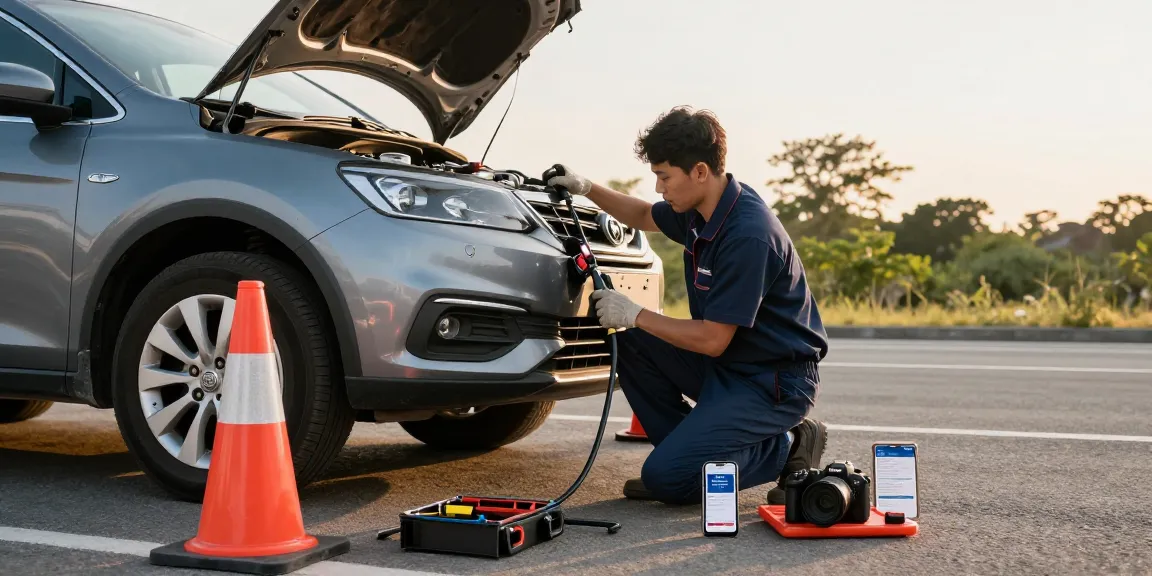
Understanding Automotive Fuses
Automotive fuses are crucial elements that help ensure the safety and functioning of your vehicle's electronic systems. These small devices protect circuits from overloads and short circuits by breaking the electrical connection when the current exceeds a certain threshold. For anyone looking to delve deeper into how automotive fuses work and their operational importance, informative resources can be found at https://bezpieczniki24.pl.
What Are Automotive Fuses?
Automotive fuses are consumable devices that serve as the first line of defense for vehicle electronics. These components are designed to break the connection in electrical circuits when the current exceeds a predefined limit, preventing damage to the wiring and electronic components of a vehicle. Fuses are built to regulate the flow of electricity and play an integral role in preventing electrical fires and other hazards.
Types of Fuses in Vehicles
There are several types of fuses used in vehicles, including:
- Blade Fuses: The most common type in modern vehicles, these fuses have a plastic body and metal prongs, making them easy to identify and replace.
- Glass Tube Fuses: These fuses are typically used in older vehicles and are encased in a glass tube, with a visible filament that indicates if the fuse is blown.
- Ceramic Fuses: Often used in high-performance applications, these fuses are more durable and can handle higher temperatures.
- Resettable Fuses: Unlike traditional fuses, resettable fuses can be restored to their functional state after an overload condition, typically found in sensitive electronic equipment.
How Fuses Protect Vehicle Electronics
Fuses play a protective role by interrupting electrical flow during unexpected surges or overloads. When an electrical fault occurs, the excess current travels through the fuse wire, causing it to heat up and ultimately melt, which breaks the circuit. This immediate response prevents potential fires, damage to components, and ensures that the vehicle remains safe and operable. The effectiveness of fuses is critical, as modern vehicles rely heavily on intricate electrical systems and electronic components.
Common Issues with Automotive Fuses
Understanding the common issues that arise with automotive fuses can help vehicle owners and technicians better maintain their vehicles’ electrical systems.
Identifying Blown Fuses
Identifying a blown fuse is essential for maintaining vehicle functionality. Common indicators include:
- Electrical devices not working (e.g., power windows, headlights).
- Burnt smell or visible char marks around the fuse.
- Fuse wire visibly melted or broken.
Utilizing a multimeter or a fuse tester can also provide accurate assessments of fuse integrity.
Causes of Fuse Failures
Fuse failures can occur due to various reasons, including:
- Overload: Exceeding the current rating intended for the fuse.
- Short Circuits: Occur when two points of the circuit touch accidentally, leading to a surge of electricity.
- Aging Components: Fuses can weaken over time due to corrosion or deterioration.
- Moisture Ingress: Water can cause short circuits or oxidize connections around the fuse.
Signs of Electrical Problems Related to Fuses
Fuses can be symptoms of broader electrical problems. Signs that may indicate underlying issues include:
- Frequent blowing of fuses can indicate larger wiring or component issues.
- Consistent dimming or flickering of lights throughout the vehicle.
- Unusual noises from electrical systems.
Addressing these signs promptly can prevent further damage to the vehicle's electrical system.
How to Replace an Automotive Fuse
Replacing a blown fuse is a straightforward process, yet it requires some understanding of the vehicle's electrical system to do so safely and effectively.
Tools and Materials Needed
Before beginning the replacement, gather the following tools and materials:
- Fuse puller or needle-nose pliers.
- Replacement fuses of the correct rating.
- Multimeter (optional, for testing).
Step-by-Step Procedure to Replace Fuses
- Locate the fuse box: Check the owner's manual for the specific location.
- Remove the fuse box cover to access the fuses.
- Identify the blown fuse: Refer to the fuse diagram to find the correct fuse.
- Use a fuse puller or needle-nose pliers to remove the old fuse.
- Align and insert the new fuse securely into the fuse holder.
- Replace the fuse box cover and ensure all electrical components are functioning correctly.
Safety Precautions When Working with Fuses
When replacing fuses, safety is paramount. Here are some essential precautions to take:
- Always turn off the vehicle and disconnect the battery before working on the fuses.
- Wear protective gloves to avoid accidental shocks.
- Never use a fuse with a higher rating than specified, as it increases the risk of damage to electrical components.
Understanding Fuse Ratings and Specifications
Understanding fuse ratings and specifications is vital to ensure the proper functioning and safety of automotive electrical systems.
What Do Fuse Ratings Mean?
Fuse ratings indicate the maximum current that a fuse can carry before it blows. Rated in amperes (A), these specifications are marked on the fuse itself and vary based on the function and requirements of the particular circuit in which they are used. Selecting the right rating prevents repeated circuit failures and protects sensitive electronic devices.
Selecting the Right Fuse for Your Vehicle
Selecting the correct fuse is essential for vehicle safety and performance. Considerations include:
- Referencing the manufacturer’s specifications found in the owner’s manual.
- Choosing a fuse that matches the amperage requirement of the circuit.
- Considering environmental factors like temperature, vibration, and moisture that could impact fuse performance.
Misconceptions About Fuse Ratings
Common misconceptions regarding fuse ratings can lead to improper installations. For instance:
- Some believe that using a higher-rated fuse provides more protection, which is incorrect and can cause overheating.
- Not all fuses of the same physical size have the same ratings; they must be checked individually.
Being aware of these misconceptions is integral to maintaining vehicle safety.
Resources and FAQs on Automotive Fuses
Finding reliable information and resources on automotive fuses will equip vehicle owners and technicians with the necessary knowledge to handle fuses effectively.
Where to Find Fuse Schematics?
Fuse schematics are typically found within the vehicle’s owner's manual, detailing the location and function of each fuse. Additionally, various online forums and automotive websites provide access to fuse diagrams specific to different models and makes.
Commonly Asked Questions About Fuses
Here are a few commonly asked questions regarding automotive fuses:
- How often should I check my fuses? It's advisable to check fuses regularly, especially if you notice malfunctioning electrical components.
- Can I replace fuses with any type? No, always replace with a fuse that meets the manufacturer’s specifications in terms of rating and type.
- What happens if I don’t replace a blown fuse? Continuously operating with a blown fuse may lead to further damage in the electrical system, including potential fires.
Further Reading and Online Resources
For those seeking additional information, many reliable online resources provide further insights into automotive fuses and electrical systems. Topics include everything from advanced troubleshooting techniques to guides on understanding your vehicle’s electrical wiring layout.