Understanding the Basics of Gardening
What is Gardening?
Gardening is the art and practice of cultivating plants for various purposes, including aesthetics, sustenance, and ecological balance. Whether it’s a sprawling backyard or a modest balcony, gardening offers individuals the opportunity to connect with nature, grow their own food, and beautify their living spaces. The practice can range from ornamental gardening, where the focus is on flowers and decorative plants, to vegetable and herb gardening aimed at producing ingredients for culinary use. In essence, gardening is not just about planting and watering; it’s about creating an environment that fosters growth and health.
Benefits of Gardening for Health and Well-being
Engaging in Gardening provides numerous mental and physical health benefits. Research has shown that regular gardening can reduce symptoms of stress, anxiety, and depression. The physical activity involved in gardening helps improve cardiovascular health, build strength, and maintain a healthy weight. Moreover, the act of nurturing plants instills a sense of purpose and connection to the environment.
Further benefits include the provision of fresh produce, which supports a nutritious diet, as well as opportunities for social interaction through community gardens. Gardening can foster a sense of community, allowing individuals to share tips, resources, and harvests, enriching social bonds and enhancing feelings of belonging.
Choosing the Right Type of Gardening
Before diving into a gardening project, it’s essential to choose the type of gardening that aligns with your goals, space, and climate. Understanding your preferences can guide you in selecting the best methods, including:
- Container Gardening: Ideal for those with limited space, container gardening allows for growing plants in pots or other containers. This method offers versatility in plant selection and can be done indoors or outdoors.
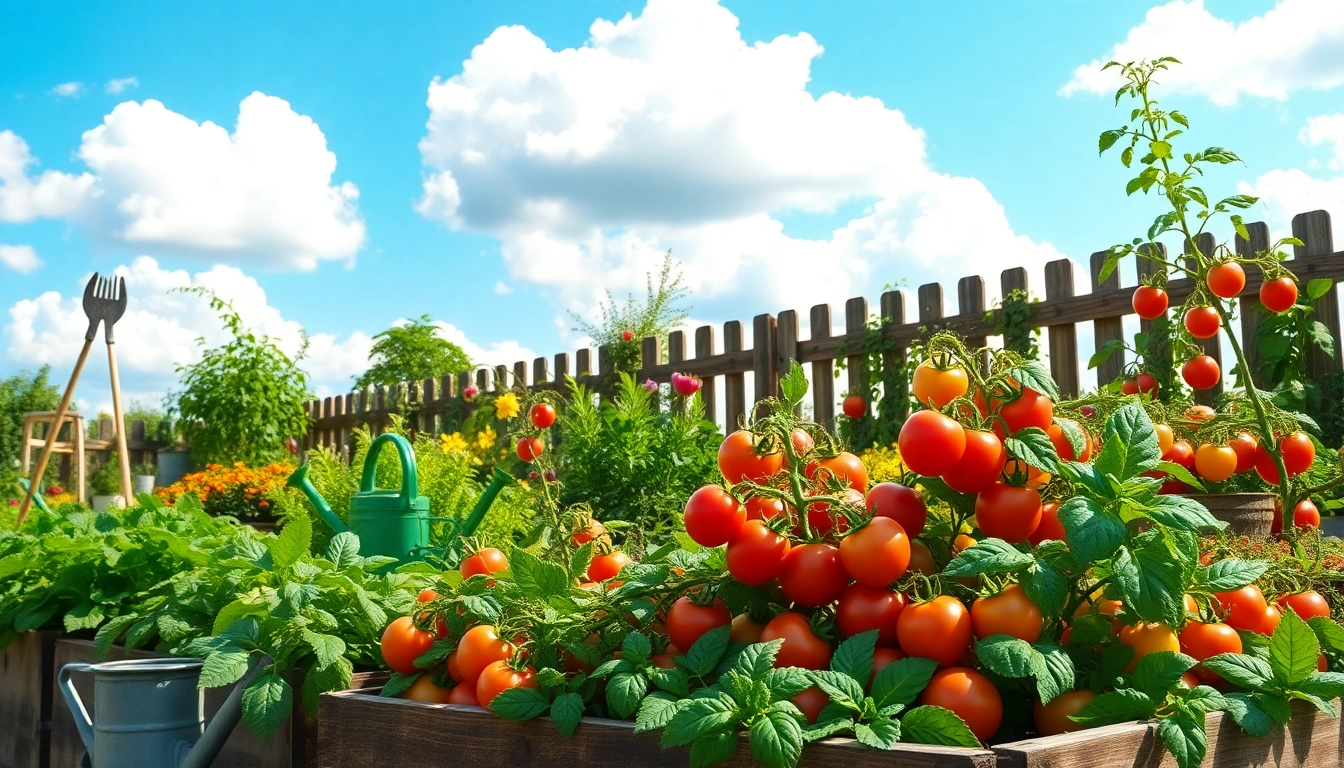
- Raised Bed Gardening: This approach involves creating elevated beds filled with soil, making it easier to manage weeds and pests while improving drainage. Raised beds are perfect for vegetables and herbs.
- Traditional In-Ground Gardening: This is the classic method of planting directly into the ground. It requires careful planning for soil preparation and space utilization.
- Vertical Gardening: Utilizing vertical space through trellises, towers, or wall-mounted systems, vertical gardening is an innovative solution perfect for small or urban gardens.
Planning Your Garden Layout
Selecting the Right Location for Gardening
The first step in planning your garden layout is to select an appropriate location. A successful garden generally requires a site that receives ample sunlight, has good drainage, and is accessible for maintenance. Consider these factors:
- Sunlight Exposure: Most vegetables and flowers require at least 6-8 hours of sunlight per day. Observe your space to identify areas that receive full sunlight versus those that are shaded during the day.
- Water Drainage: Poor drainage can lead to root rot and other plant diseases. Test your soil by digging a hole and observing how quickly it drains after watering.
- Accessibility: Ensure that pathways to your garden are clear and that you have easy access to tools and supplies. Good accessibility will also allow for more regular maintenance and harvesting.
Understanding Soil Types and Quality
The quality of your garden’s soil is crucial to the health of your plants. Different plants thrive in varying soil conditions, and understanding the characteristics of your soil can guide your gardening efforts. Common soil types include:
- Clay Soil: This type retains moisture well but can be heavy and difficult to work with. Adding organic matter can improve its structure and fertility.
- Sandy Soil: This soil drains quickly and warms up fast in the spring but often lacks nutrients. Amendments can help retain moisture and nutrients.
- Silty Soil: This is fertile and holds moisture effectively, making it ideal for most plants. However, it can become compacted, so maintaining good aeration is essential.
- Loamy Soil: A mixture of sand, silt, and clay, loamy soil is often considered the best for gardening due to its balanced properties.
Essential Tools for Successful Gardening
Equipping yourself with the right tools can significantly enhance your gardening experience. Some essential tools include:
- Hand Tools: Trowels, weeders, pruners, and cultivators are invaluable for planting, maintenance, and harvesting.
- Gardening Gloves: Protect your hands from thorns, blisters, and dirt while providing better grip on tools.
- Watering Tools: A hose, watering can, or irrigation system ensures your plants receive adequate moisture.
- Soil Testing Kit: Understanding the pH and nutrient levels of your soil can help tailor your gardening strategy.
- Wheelbarrow or Garden Cart: Useful for transporting soil, plants, and tools around your garden.
Getting Started with Planting
How to Prepare Your Garden for Planting
Proper preparation is key to a successful garden. Begin by clearing the area of weeds, rocks, and debris. You can then enrich your soil by adding organic matter such as compost or well-rotted manure, which improves soil structure and provides essential nutrients. Once the soil is prepared, you can create garden beds or rows, depending on your gardening layout.
Seed Selection: Choosing the Right Plants for Your Climate
When selecting seeds for your garden, consider your local climate and growing season. Opt for plants that are well-suited to your temperature, rainfall, and soil type. Choose from a variety of options based on your garden goals—whether you seek nutritious vegetables, vibrant flowers, or fragrant herbs. Always consult local gardening guides or extension services for insights about the best seeds for your region.
Transplanting vs. Direct Sowing: Pros and Cons
When starting a garden, one major decision is whether to transplant seedlings or sow seeds directly into the garden bed. Here are the advantages and disadvantages of each method:
- Transplanting: This method involves starting seeds indoors or purchasing young plants. Advantages include an extended growing season and greater control over early growth. However, transplanting can shock plants, requiring careful handling and care.
- Direct Sowing: Seeds are sewn directly into the garden bed. This method is simpler and eliminates transplant shock, though it may require longer germination times, and some seeds may be prone to pest damage or adverse weather conditions.
Maintaining Your Garden Effectively
Watering Techniques for Optimal Growth
Proper watering is essential for thriving plants. Different plants have varying water needs, so it’s crucial to monitor your garden regularly. Techniques include:
- Deep Watering: Encouraging deep root growth involves watering less frequently but more thoroughly. This technique helps plants become drought-resistant.
- Drip Irrigation: This method delivers water directly to the plant roots, reducing waste and minimizing water evaporation.
- Mulching: Applying organic mulches helps retain soil moisture while suppressing weed growth. Choose materials such as straw, wood chips, or grass clippings.
Weed Control Strategies in Gardening
Weeds can be detrimental to your garden, stealing nutrients and space from desired plants. Effective weed control strategies include:
- Hand Weeding: Regularly inspecting your garden and manually removing weeds can help prevent them from establishing.
- Mulching: As mentioned earlier, mulch not only conserves moisture but also prevents weed germination.
- Cover Crops: Planting cover crops during off-seasons can outcompete weeds, improve soil health, and prevent erosion.
Recognizing and Managing Garden Pests
Identifying pests and diseases early is critical to protecting your plants. Implement the following pest management strategies:
- Integrated Pest Management (IPM): This holistic approach combines biological control, habitat manipulation, and resistant plant varieties to manage pest populations sustainably.
- Companion Planting: Certain plants can deter pests when grown near susceptible species. For example, marigolds may repel nematodes and aphids.
- Regular Monitoring: Actively looking for signs of pests or disease will allow you to take swift action, whether through organic pesticides or manual removal.
Harvesting and Enjoying Your Garden's Bounty
When to Harvest Different Plants
Timely harvesting is essential to ensure maximum flavor, nutrition, and yield from your garden. Each plant has its own maturity indicators:
- Fruits: Harvest when they are vibrant in color and have a firm texture. For instance, tomatoes should be fully colored, while peppers should be glossy.
- Vegetables: Leafy greens can be picked as soon as they reach a usable size, while root vegetables should be pulled when they are adequately sized and tender.
- Herbs: Regular harvesting encourages growth. Trim leaves or sprigs as needed, ensuring you leave enough for the plant to thrive.
Storing and Preserving Your Garden Produce
To make the most of your harvest, proper storage and preservation techniques are crucial. Options include:
- Refrigeration: Many vegetables remain fresh longer in a cool, humid environment—generally the vegetable drawer of your fridge.
- Freezing: Blanching and freezing vegetables preserves their nutrients and flavor. Herbs can also be frozen in ice cube trays for later use.
- Canning: Preserving jams, sauces, or pickled vegetables can extend the life of your garden produce and allow you to enjoy your harvest year-round.
Connecting with Your Local Gardening Community
Joining a local gardening community offers support, knowledge sharing, and camaraderie. Look for nearby garden clubs or community gardens where you can exchange ideas, grow together, and even participate in plant swaps. Engaging with fellow gardening enthusiasts enhances not just your gardening knowledge but also enriches your social network.