








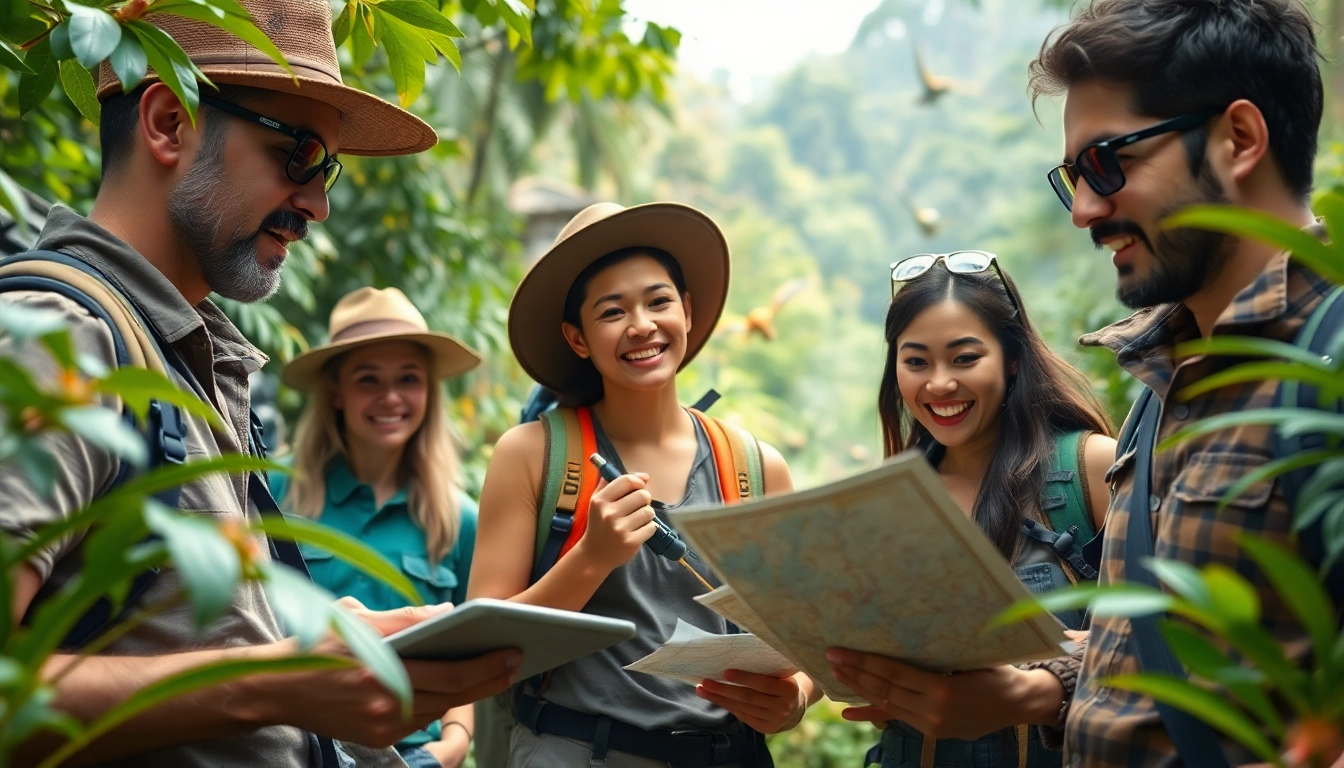
Understanding Expedition Travel
Defining Expedition Travel and Its Unique Aspects
Expedition travel represents a distinct category within the tourism industry that emphasizes exploration, adventure, and deep engagement with a destination’s natural ecosystems or cultural heritage. Unlike conventional tourism, which often prioritizes comfort and established routes, expedition travel immerses participants in less-trodden paths and remote locales, encouraging a profound connection to the surrounding environment and local communities. By definition, expedition travel includes activities that offer unique insights and interactions, often led by expert guides who are knowledgeable about the terrain and culture.
This form of travel can take many forms, including hiking in national parks, exploring uncharted territories, or engaging in marine expeditions. The journey is characterized by an adventure-centric ethos, where the experience is about discovery and learning, rather than merely visiting sites. As such, the focus is on authenticity and personal growth, making it ideal for travelers seeking to enrich their understanding of the world.
Historical Context and Evolution of Expeditions
The roots of expedition travel can be traced back to the Age of Exploration when adventurers journeyed into uncharted waters and lands, motivated by a quest for knowledge, trade, and sometimes conquest. Figures like Marco Polo and Christopher Columbus exemplified this spirit of exploration. In the centuries that followed, the notion of expeditions evolved, transforming from perilous journeys into organized adventures, often designed with educational or scientific goals.
By the 19th and early 20th centuries, expeditions began to gain popularity among the elite, spearheaded by explorers like Ernest Shackleton and Robert Peary, who sought to chart unfamiliar lands and climates. Thus, expedition travel laid the groundwork for modern exploration, giving rise to adventure travel companies that curate experiences for today’s explorers.
Benefits of Choosing Expedition Travel
Choosing expedition travel offers numerous benefits that contribute to a transformative experience. Firstly, it provides an opportunity to step outside one’s comfort zone, which can lead to personal growth and new perspectives. Secondly, it enables participants to build connections with local cultures and communities, fostering a deeper appreciation for diversity and human experiences.
Additionally, expedition travel often emphasizes sustainability, encouraging travelers to leave a minimal carbon footprint and engage in responsible tourism practices. This aspect can lend a profound sense of fulfillment and purpose to those who participate, as they contribute positively to the ecosystems and communities they visit. Furthermore, the sense of adventure encountered during these travels can invoke a feeling of excitement, leading to lifelong memories and stories to share.
Planning Your Expedition: Step-by-Step Guide
Identifying Your Destination and Goals
The first step in planning an expedition is to determine where you want to go and what you hope to achieve. Are you looking to immerse yourself in a specific culture, engage with wildlife, or conquer a challenging trek? Conducting thorough research on potential destinations can help align your goals with available opportunities. Consider factors such as the type of environment you’re interested in—mountains, forests, deserts, or oceans—and the best times to visit these locations depending on climate and wildlife activity.
Choosing the Right Tour Provider
Once you’ve selected your destination, the next crucial step is choosing a reputable tour provider that specializes in expedition travel. Look for operators that prioritize safety, sustainability, and authentic experiences. It’s essential to review their itineraries, read testimonials from previous travelers, and ensure that the guides are well-versed in local customs and ecological practices. A great tour provider will not only facilitate your adventure but will enrich your understanding of the destination through their expertise.
Essential Preparation and Packing Tips
Preparation is key to any successful expedition. Begin by familiarizing yourself with the necessary gear for your chosen activity. For example, trekking might require durable footwear, moisture-wicking clothing, and a sturdy backpack, while a marine expedition may call for snorkeling gear and waterproof bags.
Additionally, it’s advisable to pack essential items like travel insurance, a first-aid kit, reusable water bottles, and purification systems, along with any personal medications. Planning for contingencies—whether that includes tracking weather conditions or preparing for physical challenges—can greatly enhance your overall experience.
Top Destinations for Adventure Expeditions
Unique Locations Across the Globe
Adventure expeditions can be undertaken in numerous captivating destinations around the globe. From the Arctic to the Amazon, each location offers a distinct array of experiences. The icy landscapes of Greenland, for instance, provide opportunities for iceberg watching and polar bear spotting, while the dense jungles of Peru are perfect for those looking to explore ancient ruins and diverse wildlife.
Other notable destinations include the majestic peaks of the Himalayas for trekking enthusiasts and the temperate rainforests of New Zealand, known for stunning hikes and rich biodiversity. Each of these locations demands careful consideration for travel logistics due to their remoteness, reinforcing the importance of skilled guides during the journey.
Wildlife and Nature Expeditions Highlights
Wildlife enthusiasts often gravitate towards expeditions that offer unique opportunities to observe animals in their natural habitats. Major wildlife expeditions include safari experiences in Africa, where travelers can see the ‘Big Five’ and more, or marine expeditions that allow you to swim alongside dolphins and observe whales in their migration paths.
Birdwatching trips to the Galápagos Islands showcase some of the most unique avian species on earth and highlight the importance of conservation efforts. Each of these expeditions not only focuses on the animals themselves but also on their ecosystems, fostering a greater appreciation for biodiversity.
Cultural Expeditions: Connecting with Local Communities
Engaging with local communities is a pivotal aspect of many expedition travels. Cultural expeditions invite travelers to experience the life and traditions of indigenous peoples, participate in local festivals, or learn traditional crafts. Such opportunities are invaluable as they involve deep interactions and foster mutual understanding between travelers and hosts.
Consider visiting regions like Southeast Asia, where meals are often shared and stories exchanged between visitors and locals, or exploring the vibrant cultures in South America that are enriched by their historical roots and language. Each cultural experience promises insights into the fabric of society and creates lifelong connections.
Safety and Sustainability in Expedition Travel
Best Practices for Safe Travel
Safety is paramount in expedition travel. Familiarizing yourself with safety protocols associated with your specific activities, such as kayaking, climbing, or wildlife observation, can prepare you for the unexpected. Always carry essential contact information, know the emergency procedures, and stay informed about local health advisories and regulations.
It is also wise to travel with a buddy system when venturing into unfamiliar territories. Ensure that any communication devices are functional and have maps or guides that highlight exit points and safe zones.
Understanding Your Environmental Impact
As adventurers, it’s crucial to recognize our impact on the environments we visit. Following Leave No Trace principles is essential to minimize environmental impact. This includes packing out what you pack in, staying on marked paths, and using eco-friendly products when possible.
Participating in conservation efforts while traveling can enhance your experience—such as joining a beach clean-up or contributing to a reforestation initiative—thereby ensuring that future generations can enjoy these pristine environments.
Community Engagement and Responsible Travel
Responsible travel emphasizes the importance of engaging positively with local communities. This can involve supporting local businesses, attending workshops led by community members, or volunteering for projects that support community development and environmental conservation.
Understanding and respecting local customs, social norms, and traditions are foundational to fostering goodwill and appreciation. A mindset that values mutual respect goes a long way in ensuring that the expedition is beneficial for both travelers and hosts alike.
Maximizing Your Expedition Experience
Engaging with Local Cultures and Practices
Fully immersing yourself in local culture during an expedition can enhance your overall experience. Engage with local practices through food, music, and art. Cooking classes, traditional festivals, and community gatherings are excellent avenues to deepen your engagement. Not only do these experiences enrich your understanding, but they also create memorable moments filled with authentic human connection.
Documenting Your Journey: Tips for Travelers
Capturing the essence of your expedition through photography or journaling can significantly enrich your travel experience. When documenting your journey, aim not just to capture stunning visuals but also the stories and interactions that make your experience unique. Consider using a travel journal to jot down reflections or sensations felt in different places. Share these stories with family and friends to inspire others to undertake their own adventures.
After Your Expedition: Reflection and Sharing
Reflecting on your expedition after returning home is an essential step for personal growth. Take time to evaluate what you learned, how you changed, and what experiences had the most significant impact on you. Sharing your experiences through social media, blogs, or community talks can encourage others to engage in expedition travel while promoting awareness of sustainable tourism practices.
This reflection process not only reinforces the lessons learned but also integrates your travel experiences into your life narrative, serving as a reminder of the value of exploration and the beauty of our planet.