




Prioritizing Our Children’s Vision: Strategies for Effective Eye Health Initiatives
Understanding the Importance of Our Children’s Vision
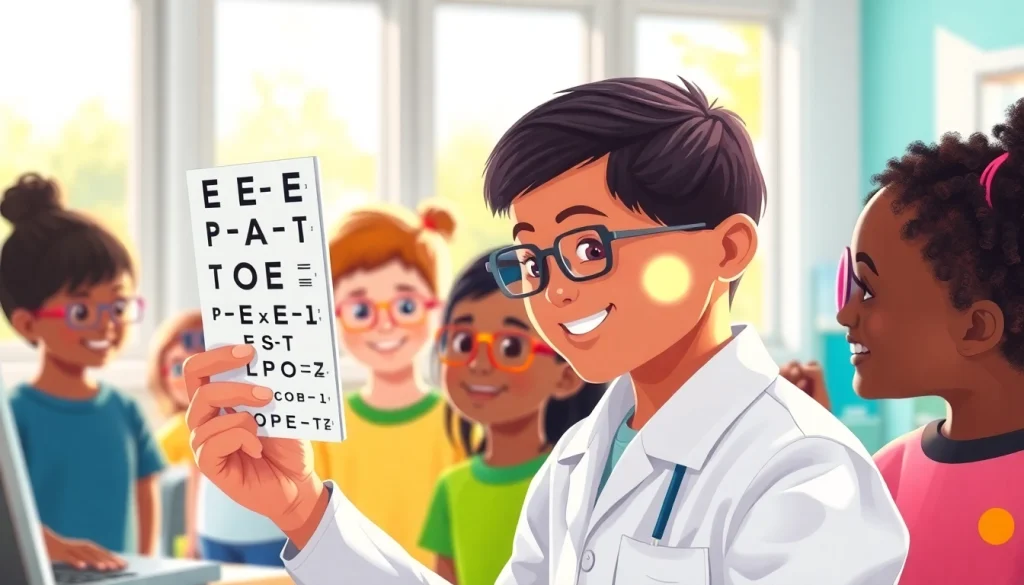
The vision health of children is a crucial aspect of their overall well-being and development. As society becomes increasingly aware of the pressing need for accessible eye care, initiatives like Our Children’s Vision empower communities to take action. Understanding the role that vision plays in a child’s life is essential for fostering a generation capable of learning and thriving in a visually complex world.
Why Eye Health Matters for Children
Eye health is critical because it impacts several key areas in a child’s life, including education, social interaction, and personal development. Poor vision can hinder academic performance, with studies indicating that children with unaddressed visual problems are more likely to suffer from lower academic achievement. This correlation underscores the importance of monitoring and nurturing children’s visual health.
Impact of Vision on Learning and Development
From the time a child begins to walk to their first day of school, visual skills are vital. Vision influences learning modalities; approximately 80% of everything children learn is processed through their eyes. Children with undiagnosed vision problems often display behavioral issues, such as difficulty concentrating and frustration in academic settings. Early intervention in eye care can lead to better educational outcomes and enhance cognitive abilities.
The Global Challenge of Unaddressed Eye Issues
Globally, millions of children suffer from uncorrected refractive errors or other vision-related issues due to a lack of access to eye care services. Research shows that these conditions disproportionately affect low-income areas and developing regions, where basic eye care often isn’t available. The World Health Organization recognizes the urgent need for effective interventions, aiming to reduce the burden of vision impairment among children.
Access to Eye Care Services
Current Barriers to Eye Care for Children
Access to eye care services is hindered by multiple factors, including economic constraints, geographical limitations, and insufficient awareness of the importance of regular eye examinations. Many families may prioritize other health needs due to limited resources, thereby neglecting routine eye care. Additionally, rural communities often lack nearby eye care practitioners, making it difficult for children to receive necessary examinations and treatments.
Innovative Solutions to Improve Access
To overcome these barriers, innovative solutions are essential. Mobile eye care clinics are emerging as effective measures to bring services directly to communities. By partnering with local governments and organizations, these clinics provide screenings, education, and referrals for follow-up care. Telemedicine is another powerful tool, allowing for virtual consultations that bring expertise to families who would otherwise lack access to specialized care.
The Role of Schools in Providing Eye Care
Schools play a critical role in ensuring children receive necessary eye examinations. Implementing regular vision screenings on-site can help identify vision problems early. Educators can be trained to recognize signs of visual impairment, ensuring prompt actions are taken to refer affected children for further assessment. Collaboration with state health services can also facilitate access to eye care resources in schools, bridging gaps in service delivery.
Awareness Campaigns for Vision Health
Effective Messaging and Communication Strategies
Raising awareness about children’s eye health requires compelling messaging that resonates with parents, educators, and community leaders. Campaigns should emphasize how vision health influences learning and overall quality of life. Utilizing social media platforms, community events, and local media can amplify reach and foster community engagement. Clear, actionable information about available resources should also be included in outreach efforts.
Leveraging Community Resources for Outreach
Engaging local organizations, businesses, and health providers in awareness campaigns can significantly expand their impact. Collaborations can offer combined resources for eye screenings, educational materials, and workshops that inform families about the importance of eye health. Involving local influencers or representatives can further enhance public interest and participation.
Case Studies of Successful Campaigns
Examining successful awareness campaigns can provide valuable lessons. For example, campaigns that incorporate personal testimonials from parents, children, or educators often build empathy and encourage action. Case studies demonstrating measurable outcomes, such as increased screening rates or improved academic performance, add credibility and urgency to these initiatives. By showcasing the successes of similar campaigns, communities may be motivated to replicate effective strategies.
Partnerships and Collaborations
Building Effective Collaborations for Eye Health
Partnerships among public health organizations, non-profits, healthcare providers, and education systems enhance the reach and effectiveness of eye health initiatives. Successful collaborations create a network that pools resources, knowledge, and expertise. Establishing clear goals and roles within these partnerships ensures smooth operations and accountability.
Engaging Stakeholders in Vision Health Initiatives
Stakeholder engagement is pivotal to fostering support and investment in children’s vision health. By including stakeholders in the planning and implementation phases, initiatives can benefit from diverse insights and foster a sense of ownership. Regular meetings, progress reports, and recognition of contributions help maintain momentum and enthusiasm among participants.
Funding and Resource Allocation Best Practices
Effective funding strategies are crucial for the sustainability of eye care initiatives. Resource allocation should prioritize projects with proven effectiveness and the potential for long-term impact. Seeking diverse funding sources, including grants, public health allocations, and partnerships with private entities, can help secure the necessary funds. Establishing transparency and accountability for resource usage also builds trust among stakeholders.
Measuring Success and Outcomes
Key Performance Indicators for Eye Health Programs
To evaluate the success of eye health initiatives, defining key performance indicators (KPIs) is essential. Metrics such as the number of eye examinations conducted, referral rates for corrective treatment, and overall improvements in children’s academic performance can provide valuable insights. Regular data collection and analysis facilitate timely adjustments in strategy to enhance effectiveness.
Analyzing Data to Improve Initiatives
Data-driven decision-making enhances the quality of eye health programs. Analyzing demographic information, feedback from participants, and outcome measures can reveal patterns and inform future planning. Utilizing data visualization tools can help make complex information accessible to stakeholders, fostering a deeper understanding of community needs and successes.
Future Trends in Children’s Eye Health Solutions
The future of children’s eye health holds promise, particularly through technology and innovative care models. The potential for virtual reality screenings, AI in diagnostics, and widespread mobile health applications presents exciting opportunities for improving access and accuracy in eye care services. Investing in research and development will be crucial to adapt to the evolving landscape of children’s vision health needs.