







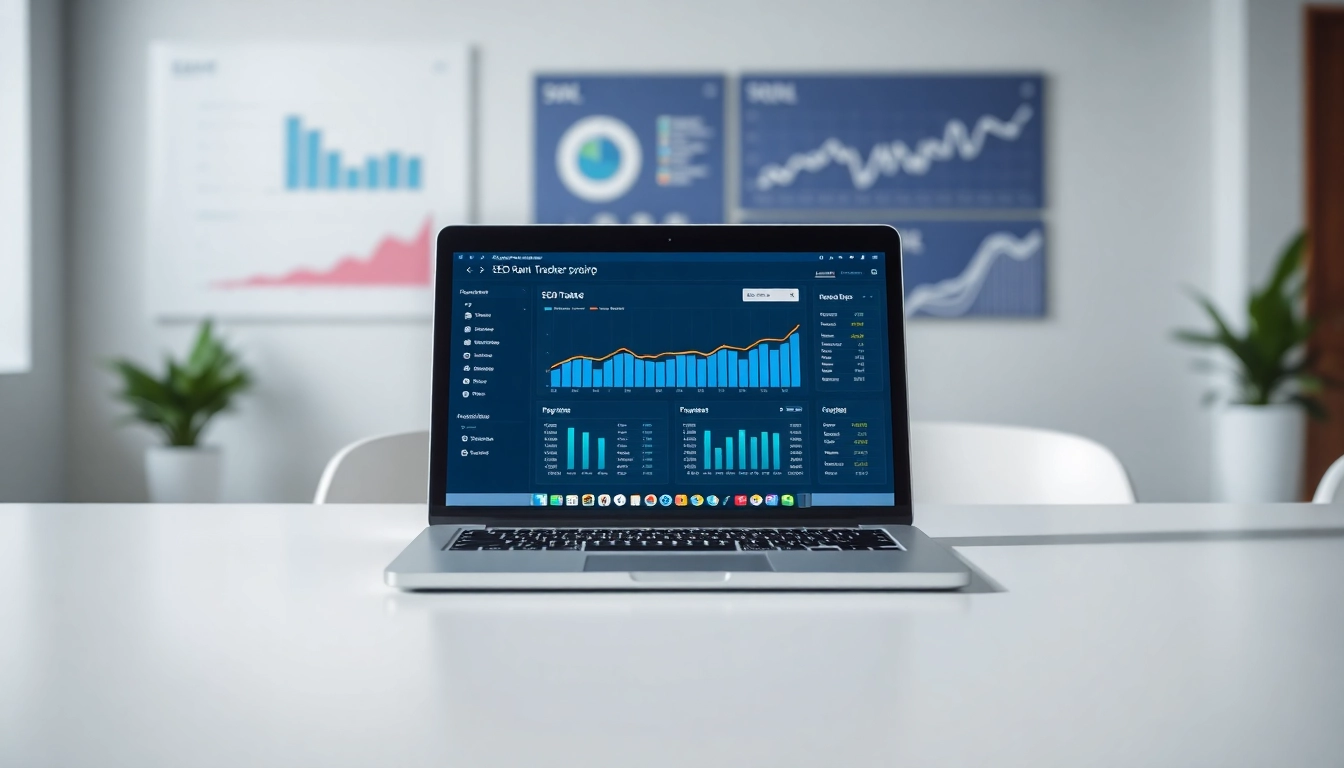
Understanding the SEO Rank Tracker
What is an SEO Rank Tracker?
An SEO Rank Tracker is a powerful tool designed to monitor and analyze the position of your website in search engine results for specific keywords. This technology provides insights into how your site is performing against competitors, how search engine algorithms are affecting traffic, and where adjustments may be needed. By utilizing an SEO Rank Tracker, businesses can gain visibility into their online performance and cultivate strategies that enhance their digital footprint.
Why SEO Rank Tracker is Essential for Digital Marketing?
In the competitive realm of digital marketing, visibility is key. An SEO Rank Tracker serves as the compass guiding you through the complexities of online visibility. Firstly, it enables marketers to understand keyword performance—identifying which keywords drive the most traffic and convert leads effectively. Moreover, awareness of ranking fluctuations provides critical feedback on the effectiveness of ongoing SEO efforts. When brands leverage these insights, they can optimize their strategies, allocate resources more efficiently, and ultimately enhance ROI. Beyond tracking individual keywords, these tools also track overall website performance metrics, which cumulatively affect visibility.
How SEO Rank Trackers Work
SEO Rank Trackers utilize algorithms to regularly check the rankings of specified keywords in search engines such as Google, Bing, and others. They work by inputting a set of keywords related to your business and then searching those terms in your target geographical area. The tool records your ranking position and updates this regularly, allowing you to see how your SEO strategies are impacting your site’s search visibility over time. Additionally, many trackers provide analytics such as click-through rates (CTR), impressions, and trends, which help in formulating data-driven decisions.
Setting Up Your SEO Rank Tracker
Choosing the Right SEO Rank Tracker Tool
With numerous SEO rank tracking tools available, selecting the right one requires careful consideration. Factors to explore include ease of use, feature sets, integration capabilities with other platforms, and cost. Popular tools on the market may include features such as local tracking, mobile tracking, and historical data analysis. When comparing options, consider your own specific needs—whether you’re monitoring local results, need in-depth competitor analysis, or require a simple overview of your progress.
Installing and Configuring Your SEO Rank Tracker
The installation process for an SEO Rank Tracker typically involves signing up for an account and entering essential information about your website. After account setup, configuring tracking parameters is next: this includes inputting keywords, geographical areas, and the search engines to target. Most tools allow you to customize your settings to ensure that the tracking data aligns with your specific goals, such as monitoring for specific devices or locations.
Setting Up Tracking Parameters and Goals
Once your tracker is installed, focus on defining tracking parameters and business goals. Consider the keywords that are most relevant to your audience and business objectives. Establishing benchmarks for success, such as improving rankings for a competitive term or increasing traffic to a specific page, helps in developing a clear roadmap to follow. Ensure that you regularly revisit these goals and adjust them as your business evolves.
Best Practices for Using SEO Rank Tracker
Regularly Monitoring SEO Performance
Consistency is vital when utilizing an SEO Rank Tracker. Regular monitoring can alert you to fluctuations in rankings that may indicate a change in your site’s authority or shifts in algorithm updates. By setting a schedule for checking your rankings—be it weekly, bi-weekly, or monthly—you can proactively identify areas needing attention, allowing for timely adjustments and sustained visibility.
Adjusting Strategies Based on Analytics
Analytics derived from your rank tracker should serve as the foundation for strategic adjustments. If analytics reveal decreasing performance for specific keywords, it might be time to refine your content strategy, optimize on-page SEO, or enhance link-building efforts. Furthermore, if certain keywords outperform expectations, consider producing more content around those topics or leveraging them for paid marketing campaigns.
Integrating with Other Marketing Tools
Integration capabilities of rank tracking tools can amplify efficiency. Synchronizing your rank tracker with other marketing tools—such as content management systems, email marketing platforms, or data visualization tools—enhances the depth of insights available. For instance, understanding how changes in content impact traffic can enable a well-rounded strategy that combines SEO, content marketing, and user engagement for optimized results.
Analyzing Results from Your SEO Rank Tracker
Interpreting the Data Output
Interpreting output from an SEO Rank Tracker involves digging deep into the provided metrics. Common data points include keyword position, changes over time, search volume, and competition level. Through careful evaluation of these metrics, one can assess not just where to put more effort but also identify what works. Clarity in reading the data is crucial; visual aids such as graphs or charts can aid understanding.
Identifying Key Trends and Insights
Beyond just numbers, data analytics from SEO trackers reveal trends over time. Monitoring trends can help anticipate shifts in user behavior, search engine algorithms, and competitive actions. For example, rising rankings for a specific term may correlate with seasonal demand or emerging topics of interest, presenting opportunities to capitalize on increased search interest.
Creating Reports for Stakeholders
Regular reporting to stakeholders should transform complex data into actionable insights. Creating well-structured reports that summarize key findings and strategies allows for easy communication among team members and stakeholders. Important elements of such reports include a performance summary, updates on goals, and recommendations for future actions. Consider creating graphs and infographics to enhance clarity.
Elevating Your Strategy with Advanced SEO Rank Tracker Techniques
Utilizing Historical Data for Future Planning
Leveraging historical data is vital for effective future planning. Trends and past performance data provide insights into long-term shifts in the competitive landscape. By examining historical rankings for particular keywords, marketers can identify seasonal patterns which can inform content schedules and promotional activities. Historical analysis can also illuminate the effectiveness of past SEO strategies, helping optimize future efforts.
Employing Competitive Analysis with SEO Rank Trackers
Competitive analysis is a hallmark of strategic SEO. Using SEO Rank Trackers, marketers can assess how their rivals are performing in SERPs for shared keywords. Understanding competitive positioning allows for adjustments in your tactics—be it content creation, backlink strategies, or even bid adjustments for PPC campaigns. This intelligence also assists in identifying untapped keywords or content gaps that can lead to opportunities for growth.
Leveraging Metrics for Strategy Refinement
Metrics provided by an SEO Rank Tracker are not just for monitoring; they’re invaluable for refining strategies. Analyzing CTR, impressions, and conversion rates allows marketers to determine the effectiveness of their SEO efforts. If specific keywords are resulting in high impressions but low clicks, this indicates the need for improved meta descriptions or content alignment with user intent. Continuous refinement based on concrete data ensures sustained success in evolving digital landscapes.
FAQs
What is an SEO Rank Tracker?
An SEO Rank Tracker monitors your website’s position in search engines for specified keywords, providing insights into SEO performance.
How often should I check my rankings?
Regular monitoring is key; checking weekly or monthly can help identify fluctuations and timely adjustments in your SEO strategy.
What metrics should I focus on with my SEO Rank Tracker?
Focus on keyword position, CTR, impressions, and overall traffic trends to gauge your website’s performance effectively.
Can I use an SEO Rank Tracker for mobile SEO?
Yes, many SEO Rank Trackers support mobile rankings, allowing you to assess and optimize mobile-specific SEO strategies.
Are there free options for SEO Rank Tracking?
Yes, some tools offer free versions with limited features, which can provide basic insights into your ranking performance.