

Elevating Living Spaces: The Wellesley Tudor Expansion
Understanding the Wellesley Tudor Expansion
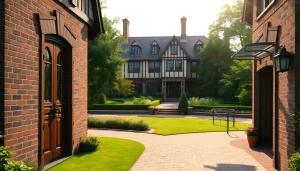
The Wellesley Tudor Expansion represents an evolution of architectural style and living comfort, exemplifying how modernization can harmonize with traditional design. This expansion seeks to embrace the historical legacy of Tudor architecture while incorporating contemporary design elements that enhance functionality and aesthetic appeal for today’s families.
Historical Context of Tudor Architecture
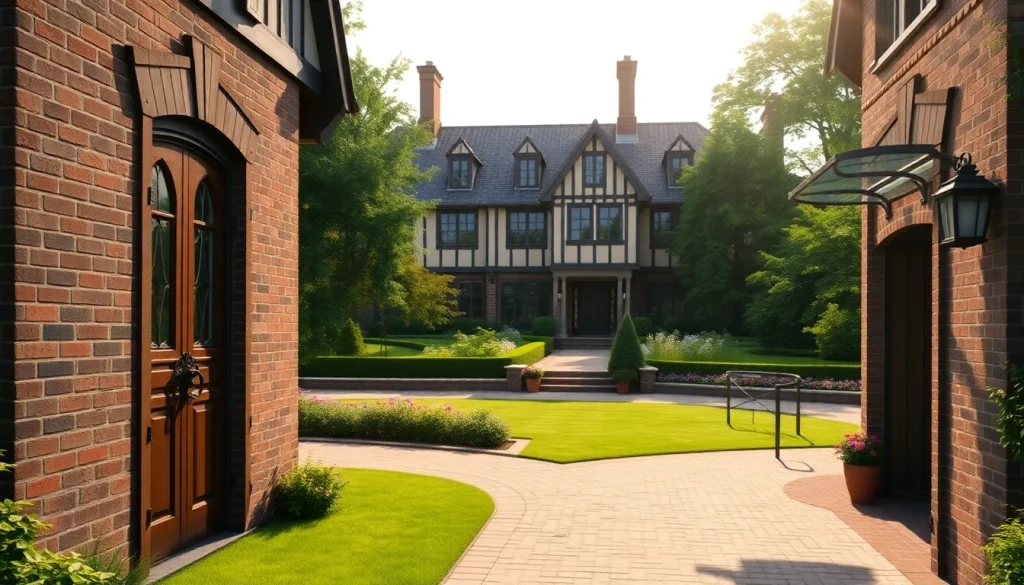
Tudor architecture emerged during the late Middle Ages in England, characterized by its distinctive features such as steeply pitched gable roofs, decorative half-timbering, and tall, narrow windows. This architectural style reflects a blend of medieval and Renaissance influences, showcasing craftsmanship that emphasizes the use of local materials. Understanding the historical significance of these characteristics lays the groundwork for appreciating the innovations present in the Wellesley Tudor Expansion.
Originally, Tudor homes were designed for durability and beauty, often built with a focus on social hierarchy and the needs of larger families. The Wellesley Tudor Expansion preserves this legacy while adapting to modern needs, offering a blend of historical reverence and contemporary living.
Design Principles Behind the Wellesley Tudor Expansion
The Wellesley Tudor Expansion adheres to several essential design principles that celebrate Tudor aesthetics while ensuring functionality:
- Symmetry and Proportion: The design employs symmetrical facades and carefully proportioned spaces to create a sense of harmony and balance often seen in traditional Tudor homes.
- Natural Materials: Emphasizing stone, wood, and brick, the expansion fosters a connection with nature, mirroring the traditional construction practices that enhance durability and visual appeal.
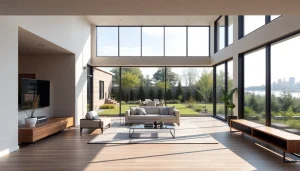
- Innovative Layout: Open floor plans are integrated within the traditional Tudor framework, allowing for versatile living spaces that cater to the dynamic needs of modern families.
Benefits of Tudor-Style Homes
Tudor-style homes, including the Wellesley Tudor Expansion, offer several noteworthy benefits. These advantages extend beyond mere aesthetics:
- Timeless Appeal: The classic Tudor design features have enduring charm that transcends trends, ensuring that such homes remain desirable over time.
- Energy Efficiency: Many new Tudor designs incorporate modern insulation techniques and energy-efficient windows, helping homeowners save on energy costs.
- Space for Customization: The inherent structure of Tudor-style homes provides plenty of opportunities for modifications, allowing homeowners to personalize living spaces according to their preferences.
Key Features of the Wellesley Tudor Expansion
Architectural Elements
The architectural elements present in the Wellesley Tudor Expansion highlight the unique features of Tudor design while embedding them in a modern context:
- Gabled Roofs: High-pitched roofs not only add visual interest but also provide effective rainwater runoff.
- Brickwork and Timber Frames: A mix of local bricks and timber enhances the home’s rustic charm while allowing for structural integrity.
- Lead Glass Windows: The inclusion of leaded glass windows enhances natural light and connects homeowners with the surrounding landscape.
Energy Efficiency Considerations
As energy costs continue to rise, the Wellesley Tudor Expansion embodies sustainability through its design:
- High-Performance Insulation: Walls and roofs are insulated with modern materials that comply with or surpass current energy codes. This keeps homes warm in winter and cool in summer.
- Energy-Efficient Appliances: Kitchen and bathroom fittings are chosen for their energy ratings, contributing significantly to the overall efficiency of the home.
- Solar Integration: Options for solar panels may be integrated into the roof design, offering renewable energy sources without compromising aesthetic integrity.
Landscaping and Outdoor Spaces
The landscaping of the Wellesley Tudor Expansion enhances the home’s connection to its environment. Inspired by traditional gardens, the outdoor spaces include:
- English Garden Styles: Designed to offer beauty throughout the seasons, incorporating flowering plants, climbing vines, and evergreen shrubs.
- Outdoor Living Areas: Patios and terraces that extend living spaces outdoors, encouraging family gatherings and social events.
- Sustainable Practices: The use of native plants reduces water consumption and promotes local biodiversity.
Planning Your Own Wellesley Tudor Expansion
Initial Design Considerations
Planning a Wellesley Tudor Expansion begins with thoughtful design considerations that balance aesthetic goals with practical needs:
- Assessing Family Needs: Determine how existing spaces can be modified to enhance comfort and functionality for daily activities.
- Understanding Local Regulations: Familiarize yourself with zoning laws and building codes that may impact your project.
- Vision and Inspiration: Collect ideas from various sources and work with an architect to develop a cohesive design that respects Tudor characteristics while meeting modern demands.
Choosing the Right Materials
Selecting materials for your expansion is crucial in maintaining the integrity and charm of Tudor architecture. Important considerations include:
- Local Sourcing: Utilize materials that are locally sourced to enhance the home’s connection to its environment while potentially lowering costs.
- Durability: Choose long-lasting materials that will withstand the test of time, such as engineered wood or stone cladding.
- Aesthetic Cohesion: Ensure that new materials complement existing structures, respecting the traditional color palette often used in Tudor homes.
Engaging with Architects and Designers
To successfully navigate the complexities of a Wellesley Tudor Expansion, engaging with experienced professionals is essential:
- Researching Expertise: Seek architects and designers familiar with Tudor architecture and skilled at merging traditional designs with modern innovations.
- Collaboration: Establish clear lines of communication and define expectations to foster a productive working relationship.
- Iterative Design Process: Be open to feedback during the design process to arrive at the best possible outcome without compromising on vision.
Real-Life Examples of Wellesley Tudor Expansions
Case Study: Family-Friendly Designs
A notable example is a Wellesley Tudor home renovated to accommodate multigenerational living. The expanded space features dual master suites, a large communal kitchen, and an open-concept living area, allowing families to share moments without sacrificing privacy.
Case Study: Eco-Friendly Innovations
Another project showcases how a Wellesley Tudor Expansion prioritized sustainability by incorporating rainwater harvesting systems and green roofs. Energy-efficient windows and solar panels further exemplify the blend of traditional aesthetic with eco-conscious features.
Case Study: Luxury Customizations
A luxurious take on the Wellesley Tudor Expansion includes bespoke features such as handcrafted cabinetry, custom stonework, and ornate fireplace surrounds. This home embodies the perfect fusion of elegance and functionality, tailored specifically to the owners’ needs.
FAQs on Wellesley Tudor Expansion
What is the typical cost of a Wellesley Tudor Expansion?
The cost varies widely depending on the size, materials, and finishes. On average, homeowners can expect to pay between $200 to $400 per square foot for a quality Tudor expansion.
How long does the design process take?
The design process for a Wellesley Tudor Expansion typically takes between three to six months, depending on complexity and the extent of customization required.
What are the maintenance considerations for Tudor homes?
Tudor homes require regular upkeep, particularly for timber framing and roofing materials. Routine inspections are crucial to prevent deterioration and maintain the home’s structural integrity.
Can I implement modern features in a Tudor design?
Absolutely! Modern features like smart home technology and open floor plans can be integrated seamlessly while maintaining the quintessential Tudor essence.
How does landscaping affect the overall design?
Landscaping plays a critical role in enhancing the visual appeal and harmony of a Tudor home. Thoughtful landscaping complements architectural features and fosters a seamless transition between indoor and outdoor spaces.