



Optimizing Land Irrigation: Techniques for Sustainable Agriculture
Understanding Land Irrigation Fundamentals
What is Land Irrigation?
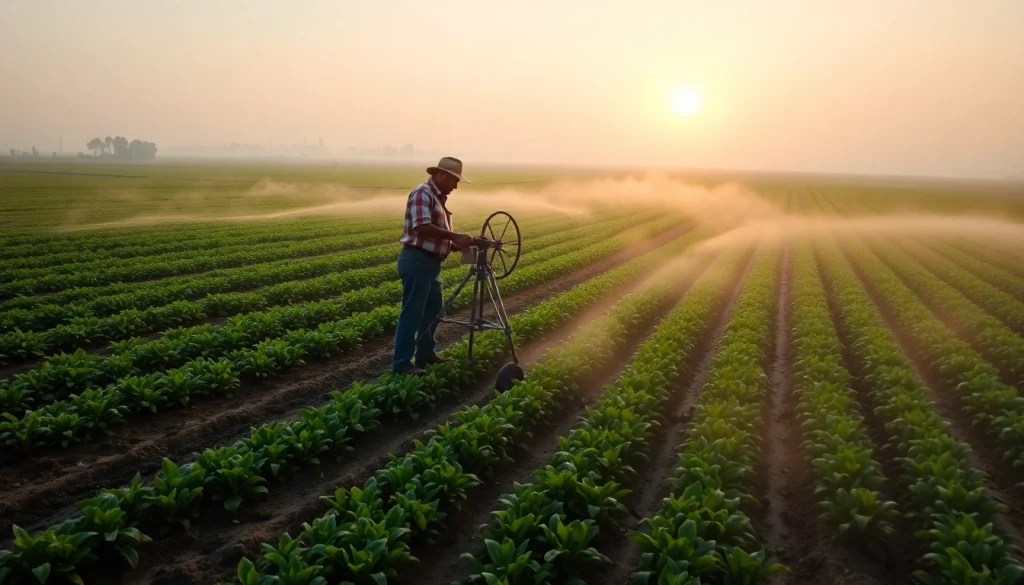
Land irrigation is a systematic method of supplying water to crops through various techniques, ensuring that they have the necessary moisture for optimal growth. This crucial practice allows farmers to manage water resources efficiently, particularly in regions where rainfall is inconsistent. Utilizing land irrigation, farmers can enhance agricultural productivity by providing crops with the right amount of water at the right time.
Importance of Water Management in Agriculture
Effective water management is pivotal in agriculture, influencing everything from crop yields to soil health. With the global population projected to continue increasing, the demand for food is also rising. Efficient land irrigation supports sustainable agricultural practices by optimizing water use, reducing waste, and helping to maintain soil fertility. Additionally, it helps mitigate drought impacts and creates resilience against climate variability.
Common Irrigation Methods Explained
Several methods of land irrigation are prevalent, each with its unique advantages and applications. Here are the most common:
- Drip Irrigation: This method delivers water directly to the roots of plants through a system of tubing and emitters, minimizing evaporation and runoff.
- Sprinkler Irrigation: Using a network of pipes, pumps, and sprinklers, this method mimics natural rainfall, making it adaptable for various crop types and terrain.
- Surface Irrigation: This traditional method involves flooding fields with water, allowing it to infiltrate the soil directly. It’s cost-effective, though less water-efficient.
- Subsurface Irrigation: Similar to drip irrigation, this involves burying pipes underground to supply water directly to the soil profile, which can lead to higher efficiency and lower evaporation losses.
Benefits of Effective Land Irrigation
Increased Crop Yields
Implementing effective land irrigation techniques can significantly enhance crop yields. By providing consistent moisture to crops, farmers can achieve faster growth rates, better quality produce, and increased harvests. Studies have shown that regions employing advanced irrigation systems can experience yield increases of up to 50% compared to rain-fed areas. This is particularly crucial in regions facing growing food demands.
Water Conservation Strategies
Water conservation is a cornerstone of sustainable agriculture. Effective land irrigation systems promote water-use efficiency by minimizing waste and targeting water application more precisely. Techniques such as drip irrigation and rainwater harvesting contribute to significant water savings, ensuring that farmers can maintain productivity even in water-scarce conditions.
Soil Health Improvement Techniques
Proper irrigation practices not only benefit crop yield but also protect soil health. Controlled irrigation helps prevent issues such as soil erosion, salinization, and nutrient depletion. Techniques like cover cropping and reduced tillage, combined with effective irrigation, help improve soil structure and fertility, promoting a healthier ecosystem that supports continuous agriculture.
Innovative Technologies in Land Irrigation
Smart Irrigation Systems Overview
The advent of technology has transformed land irrigation, with smart irrigation systems emerging as a leader in the field. These systems utilize sensors, weather data, and automation to optimize water usage. Soil moisture sensors, for example, can provide real-time data on when and how much to irrigate, significantly reducing water waste while maintaining crop vitality.
Drones and Monitoring Solutions
Drones have become invaluable tools in modern agriculture, offering sophisticated monitoring capabilities. Equipped with cameras and sensors, drones can assess crop health, soil conditions, and water distribution across fields, enabling farmers to make data-driven decisions. This aerial insight allows for precise adjustments in irrigation strategies, ultimately enhancing water efficiency.
Automated Irrigation Management Tools
Automated irrigation management tools integrate various technologies to streamline irrigation processes. These tools can control pumps and valves, monitor system performance, and adjust schedules based on climatic conditions or plant needs. By automating these functions, farmers can save time, reduce labor costs, and maintain optimal water usage more consistently.
Challenges in Implementing Land Irrigation
Common Obstacles Farmers Face
While adopting sophisticated irrigation methods can yield significant benefits, farmers often encounter various challenges. These may include initial capital costs for equipment, knowledge gaps regarding advanced irrigation practices, and the need for maintenance and repairs. Ensuring access to resources and training is vital to overcoming these obstacles.
Environmental Concerns and Solutions
Environmental impacts, such as water scarcity and ecosystem degradation, pose significant challenges to land irrigation. Inefficient practices can lead to over-extraction of water bodies, affecting local wildlife. Strategies like integrated water resource management and adopting sustainable practices can help mitigate these issues while promoting healthy ecosystems.
Cost Considerations for Farmers
The upfront costs associated with implementing advanced irrigation systems can be daunting for farmers. While effective land irrigation can lead to long-term savings and increased yields, the initial investment must be weighed against potential future gains. Various funding opportunities, grants, and cooperative programs exist, aiming to support farmers in adopting sustainable irrigation methods.
Future Trends in Land Irrigation
Impacts of Climate Change on Irrigation
Climate change is expected to have profound effects on agriculture, particularly regarding water availability. Changes in precipitation patterns and increased incidence of drought will necessitate the adoption of more resilient irrigation strategies. As adapting to these changes becomes imperative, researchers and farmers must collaborate on innovative solutions to maintain agricultural productivity.
Upcoming Technologies to Watch
Emerging technologies such as AI and machine learning have the potential to revolutionize land irrigation further. These technologies can enhance predictive analytics, optimize scheduling, and improve resource allocation. As these tools become more integrated into existing systems, the precision and efficiency of irrigation practices will increase significantly.
Adapting Agricultural Practices for Sustainability
To ensure sustainable agriculture, farmers must also adapt their irrigation practices to evolving environmental conditions. This includes experimenting with new crops that require less water, diversifying planting strategies, and implementing more efficient irrigation systems that can withstand climate uncertainty. By fostering innovation and adaptability, the agricultural sector can safeguard food security for future generations.
Frequently Asked Questions
1. What is the most efficient irrigation method?
Drip irrigation is regarded as one of the most efficient methods because it applies water directly to the plant roots, minimizing evaporation and runoff.
2. How can farmers conserve water while irrigating?
Farmers can conserve water by using smart irrigation systems, scheduling irrigation based on weather forecasts, and adopting mulching practices to reduce evaporation.
3. What role do soil moisture sensors play in irrigation?
Soil moisture sensors provide real-time data about soil water levels, enabling farmers to irrigate only when necessary, thus optimizing water usage.
4. How does climate change affect irrigation practices?
Climate change can alter rainfall patterns and increase drought frequency, affecting water availability and prompting the need for more efficient irrigation strategies.
5. What support is available for farmers adopting new irrigation methods?
Farmers can access various funding programs, grants, and technical assistance programs offered by governments and agricultural organizations to support the adoption of new irrigation technologies.