






Introduction to Wildlife Photography Course
Wildlife photography is not just a hobby; it’s an exhilarating journey into the heart of nature. For those passionate about capturing the beauty and majesty of animal life, enrolling in a wildlife photography course offers the skills, techniques, and insights needed to elevate their photography from mundane to magnificent. Whether you are looking to hone your skills or explore new aspects of wildlife photography, this comprehensive guide will help you unravel the nuances of this fascinating field.
What is Wildlife Photography?
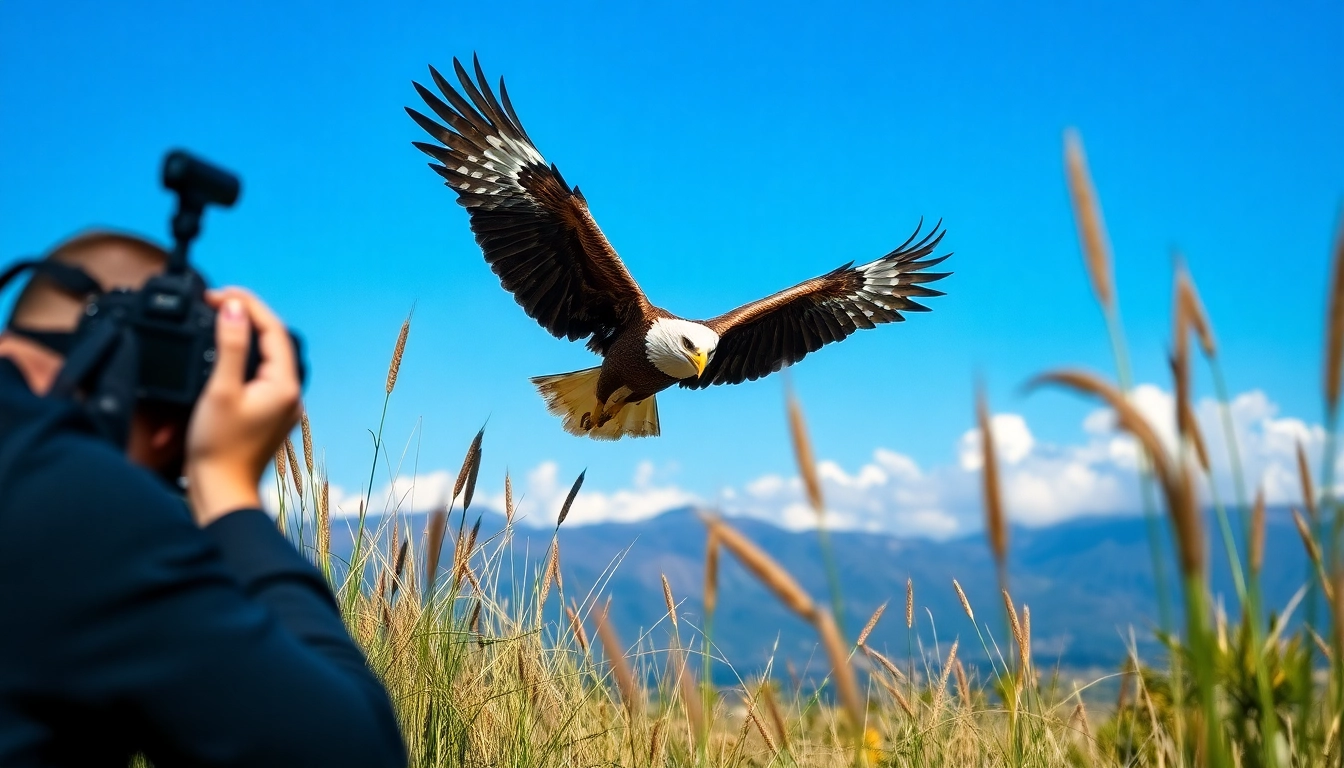
Wildlife photography is a genre of photography that involves capturing images of animals in their natural habitats. This style of photography celebrates the beauty of wildlife and emphasizes the importance of animals and their ecosystems. It requires not only technical skills in photography but also an understanding of animal behaviors, environmental challenges, and the ethical implications of taking pictures of wild creatures. Whether it’s photographing a majestic eagle in flight or a tiny frog perched on a leaf, each shot tells a unique story about life in the wild.
Importance of the Wildlife Photography Course
Participating in a wildlife photography course is essential for photographers at any skill level. The course equips individuals with technical knowledge and practical experience necessary to capture compelling images of wildlife. Through such a course, learners gain insights into the interplay of light and shadow, effective camera settings, composition strategies, and the nuances of animal behavior that can significantly affect the outcome of a photograph. Beyond technique, a well-structured course also educates participants about the conservation aspects of wildlife and their responsibilities as photographers.
Essential Gear for Wildlife Photography
Equipping yourself with the right gear is fundamental in wildlife photography, where the right equipment can be the difference between capturing a stunning image or missing the shot entirely. Here’s a breakdown of essential gear:
- Camera: A DSLR or mirrorless camera with a fast shutter speed and excellent autofocus system is ideal for capturing quick moments.
- Lenses: Telephoto lenses (300mm or longer) are crucial for wildlife photography, allowing you to shoot from a distance without disturbing the animals.
- Tripod and Monopod: These tools stabilize your camera, enabling you to shoot in low light and long exposures.
- Extra Batteries and Memory Cards: Wildlife photography can keep you out for extended periods; having backups is essential.
- Weather Protection: A rain cover or weatherproof camera is crucial in unpredictable environments.
Techniques for Capturing Wildlife
Camera Settings for Wildlife Photography
Your camera settings can make or break your wildlife photography experience. Here are the recommended settings:
- Shutter Speed: Use a fast shutter speed (1/1000s or faster) to freeze motion.
- Aperture: A wide aperture (f/4 or f/5.6) helps to isolate your subject and achieve a beautiful bokeh effect.
- ISO: Adjust your ISO to accommodate lighting conditions. A higher ISO can be necessary in lower light but be mindful of noise in the image.
Composition Strategies to Enhance Your Shots
Composition is key in wildlife photography. Here are several strategies to improve your framing:
- Rule of Thirds: Place your subject outside the center of your frame to create a more engaging photograph.
- Leading Lines: Use natural lines in the environment (like rivers or trails) to guide the viewer’s eye to the subject.
- Framing: Use elements in the environment to frame your subject, which adds depth and context to your images.
Understanding Animal Behavior for Better Photography
Knowledge of animal behavior can dramatically improve your wildlife photography. Understanding rituals, feeding habits, and general behavior can help you anticipate moments that would result in compelling images. For example, knowing when and where animals are most active can make your outings more productive. Additionally, maintaining a respectful distance ensures the safety of both the subject and yourself.
Overcoming Challenges in Wildlife Photography
Weather Conditions and Their Impact
Weather can be unpredictable and can significantly affect your wildlife photography experience. Rain, fog, or even intense sunlight can alter lighting conditions and visibility. Understanding how weather influences wildlife behavior is just as important; for instance, some animals may be more active during early morning or late evening when the light is softer, and temperatures are cooler. Always be prepared to adapt to changing conditions by carrying appropriate clothing and protective gear for your camera.
Maintaining Patience and Timing
Wildlife photography demands immense patience. Unlike portrait or landscape photography, capturing a great wildlife shot may mean waiting for hours—or even days. To develop this patience, consider setting up near watering holes or animal trails, and wait quietly. Ensure you have the right equipment and settings ready to go at a moment’s notice, as wildlife can be unpredictable.
Ethical Considerations in Wildlife Photography
Ethical practices are paramount in wildlife photography. Photographers must prioritize the well-being of their subjects and their habitats. Respect wildlife by maintaining a safe distance, avoiding disturbing their natural behavior, and remembering that conservation comes first. Many wildlife photography courses include modules on ethics, teaching how to be a responsible photographer who contributes positively to wildlife conservation.
Editing for Wildlife Photography
Best Software Tools for Post-Processing
Post-processing allows photographers to enhance their wildlife images significantly. Popular editing software includes Adobe Lightroom and Photoshop, which provide powerful tools for adjusting color, sharpness, and cropping images. Learning basic editing skills can be the difference between a good shot and a great one. Techniques such as noise reduction and selective color adjustment can bring your photographs to life.
Techniques to Enhance Your Wildlife Photos
Post-processing techniques can elevate your wildlife photos. Consider the following:
- Enhancing Color: Adjust the saturation and vibrance to bring your subject’s colors more alive.
- Sharpening: Fine-tune the sharpness to accentuate the details in fur or feathers.
- Cropping: Use cropping to improve composition and focus on your subject.
Creating a Portfolio from Your Wildlife Photography Course
Building a portfolio is essential for showcasing your skills as a wildlife photographer. After completing a wildlife photography course, select your best work and create a cohesive collection that represents your personal style. Include images that showcase various aspects of your learning, including composition, technical skills, and unique wildlife captures. A well-presented portfolio can open opportunities for exhibitions, assignments, and even publications.
Frequently Asked Questions about the Wildlife Photography Course
What will I learn in a wildlife photography course?
A wildlife photography course teaches essential skills such as camera settings, composition, and animal behavior to enhance your photography.
Do I need professional gear for wildlife photography?
While professional gear helps, a good wildlife photography course will focus on techniques applicable to various cameras, from DSLRs to smartphones.
Can I take the course online?
Most wildlife photography courses offer online options, allowing you to learn at your own pace and access resources from anywhere.
How do I find subjects for my wildlife photography?
A wildlife photography course will guide you on locations, times, and best practices for finding subjects in their natural habitats.
Is it safe to photograph wildlife?
Yes, safety is addressed in wildlife photography courses, emphasizing respectful distance and avoiding stressful situations for animals.