









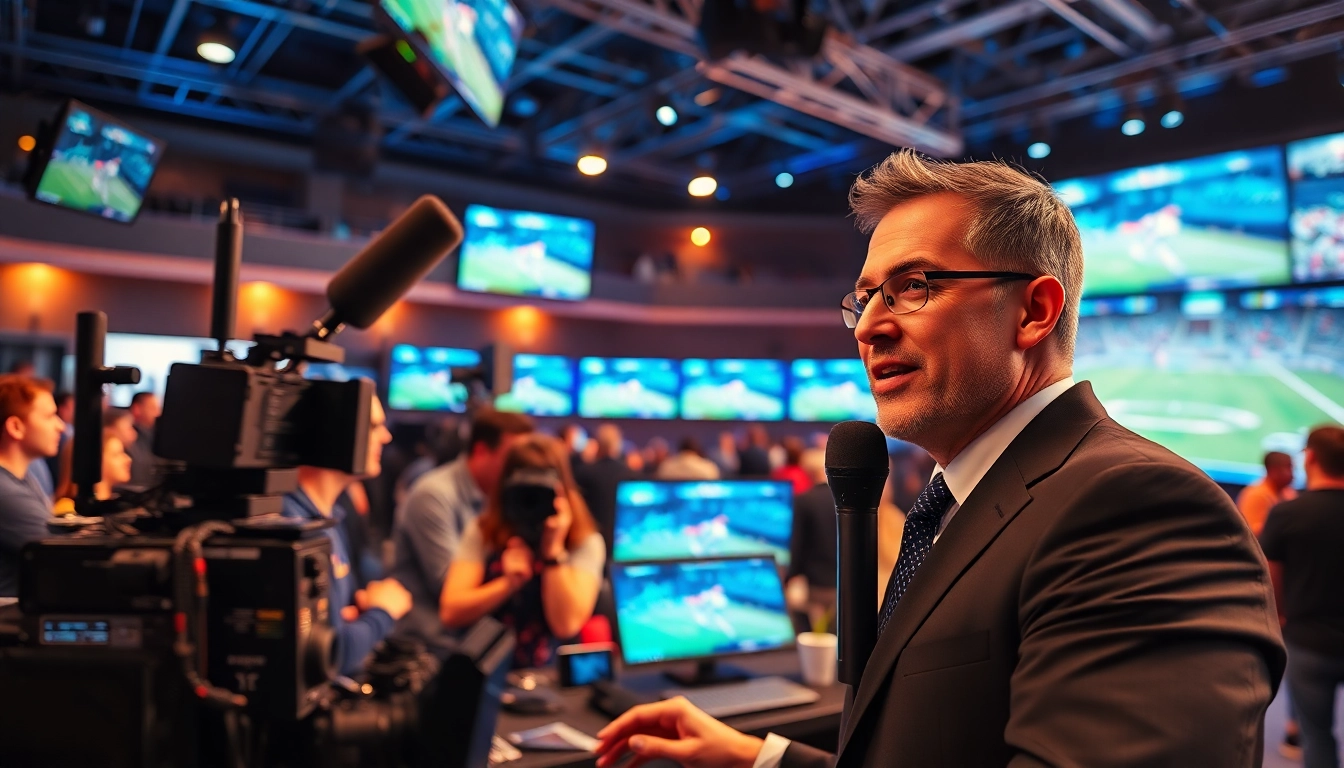
Understanding the Landscape of Sports Broadcasting
Overview of Sports Broadcasting History
Sports broadcasting has undergone a remarkable transformation since its inception in the early 20th century. Initially, sports events were shared via radio broadcasts, offering audiences the thrill of live updates without the benefit of visuals. The first televised sports event broadcast occurred in 1936, showcasing a diverse range of sporting activities. Fast forward to today, Sports Broadcasting has evolved into a multifaceted industry that combines entertainment, technology, and viewer engagement.
As television became mainstream in the 1950s and 1960s, prominent sports leagues partnered with networks to provide viewers with complete game coverage. The introduction of cable networks in the 1980s further expanded accessibility, allowing sports fans to follow their favorite teams and leagues more closely. The rise of 24-hour sports news channels during the 1990s paved the way for constant coverage, something that has now become a standard expectation among sports enthusiasts.
Key Players in the Sports Broadcasting Industry
The sports broadcasting industry comprises various stakeholders, each playing a critical role in delivering content to audiences. Major television networks, cable channels, and streaming services are at the forefront, driving viewership and sponsorship deals. Networks like ESPN and FOX Sports have established a strong foothold, while tech giants are also entering the realm, providing streaming options that appeal to younger demographics.
Moreover, leagues themselves, such as the NFL, NBA, and UEFA, have increasingly invested in their own broadcasting capabilities. By launching official streaming services and channels, they interact with fans directly, thus shaping the content landscape. Additionally, sports broadcasters need to cooperate with production companies, which contribute technical expertise and creative input that enhance production quality.
The Role of Technology in Sports Broadcasting
Technology is at the heart of modern sports broadcasting, revolutionizing how events are captured and presented to audiences. High-definition cameras, drone technology, and virtual reality have elevated viewing experiences, immersing fans in the action like never before. Innovations such as augmented reality (AR) graphics help convey critical information seamlessly during live broadcasts, enhancing audience engagement.
Moreover, the advent of social media has changed audience interaction; platforms like Twitter and Instagram allow viewers to share their thoughts in real time while consuming content. With data analytics, broadcasters can tailor their offerings to better suit audience preferences, ensuring they stay relevant in a fast-changing environment. This integration of technology is essential for broadcasters seeking to connect with an increasingly diverse and demanding audience.
Essential Skills for Sports Broadcasters
Communication Skills for Engaging Audiences
A successful sports broadcaster needs excellent communication skills to engage their audience effectively. This encompasses verbal and non-verbal communication, where clarity, enthusiasm, and insightful commentary can significantly boost audience connection. Broadcasters must craft narratives that captivate viewers, balancing play-by-play commentary with analysis to create a seamless viewing experience.
Additionally, understanding audience preferences and adjusting tone and delivery accordingly is essential. Engaging with fans through social media and live interactions can also help build a personal connection, fostering loyalty and a dedicated viewership base.
Technical Skills in Broadcasting Equipment
Alongside strong communication, technical skills are crucial for modern sports broadcasters. Familiarity with broadcasting equipment such as cameras, microphones, and editing software enables talent to produce high-quality content consistently. Understanding broadcast control systems is beneficial to adjust audio levels and incorporate graphics during live events, ensuring viewers receive polished broadcasts.
Training in technical aspects, including sound mixing and video editing, can provide a competitive edge, as it allows broadcasters to be more versatile and contribute positively to the production process. By acquiring these skills, broadcasters become invaluable assets to their teams, ensuring a professional and engaging presentation of sporting events.
Research and Preparation for Live Events
Preparation is key to successful sports broadcasting. Researching teams, players, and statistics allows broadcasters to deliver insightful analysis that informs viewers and enhances their viewing experience. Comprehensive knowledge of current team dynamics, past performance, and broader trends in sports can enrich the commentary.
Preparation also includes scouting potential storylines that could emerge during live events. Broadcasters should be ready to pivot their commentary based on live occurrences, maintaining a narrative that is both relevant and engaging. Additionally, rehearsal and collaboration with production teams ensure a smooth runtime for live broadcasts, allowing for contingency plans in case unforeseen events arise.
Types of Sports Broadcasting Formats
Live Game Coverage and Commentary
Live game coverage is the hallmark of sports broadcasting, drawing in millions of viewers who want to experience the excitement in real time. This format includes play-by-play narration, color commentary, and in-studio analysis. Broadcasters need to balance detailed observations with entertainment, creating a rich narrative that keeps viewers invested in the outcome of the match.
The use of multiple camera angles, instant replays, and statistical overlays enhances the live experience, giving viewers a comprehensive understanding of the game. An adept commentator links the on-field action with audience emotions, making each match an immersive experience.
Sports News and Highlights Shows
Beyond live game coverage, sports news and highlights shows play a crucial role in informing audiences about the latest happenings in the sporting world. These programs summarize key events, offer analysis, and feature interviews with players, coaches, and industry experts. Broadcasters tailor content to cater to various audience demographics, incorporating engaging segments that stir discussions and debates among fans.
Highlight reels and recap packages provide visual appeal and maintain fan engagement, connecting them emotionally to their teams. As digital platforms emerge, these shows adapt to shorter viewing times, delivering punchy highlights via social media channels to reach wide audiences.
Streaming Services and Digital Broadcasting
With the rapid expansion of digital technology, streaming services have become a significant avenue for sports broadcasting. Platforms like Hulu Live, YouTube TV, and dedicated sports streaming apps allow viewers to access games on demand, providing flexibility that traditional broadcast methods cannot. This trend has shifted the viewing landscape, as younger generations favor streaming over cable subscriptions.
Digital broadcasting also allows for concurrent coverage of multiple games, thus enhancing user engagement through interactive elements like polls and chats. Broadcasters are increasingly moving to hybrid platforms that blend traditional broadcasting with digital integration, ensuring they remain competitive in this evolving landscape.
Challenges in Sports Broadcasting
Handling Live Broadcast Scenarios
Live broadcasting is rife with challenges, but effective preparation can help mitigate many potential issues. Unexpected incidents such as technical failures, player injuries, or controversial plays can arise at any moment. Broadcasters need to remain calm and professional, employing quick thinking to maintain audience engagement.
Producers often have contingency plans, ensuring that backup graphics, audio feeds, or even alternate camera angles are ready for immediate action. Preparation and team communication are paramount in addressing problems smoothly while keeping the audience informed and entertained.
Dealing with Audience Expectations and Feedback
In an age of instant feedback through social media, broadcasters face heightened audience expectations. Viewers often have strong opinions on commentary style, level of detail, and even bias. Broadcasters must navigate this terrain carefully by recognizing feedback and adapting their styles while remaining true to their unique voice.
Engaging with the audience through interactive content can help bridge any gaps. Acknowledging viewer input promotes a sense of community while enhancing loyalty. Broadcasters should keep an open line of communication, encouraging feedback that leads to continuous improvement.
Adapting to Technological Changes
The advent of new technologies requires sports broadcasters to remain agile and adaptive. Keeping abreast of trends, such as virtual reality, augmented reality, and advanced analytics, is essential for staying competitive. Broadcasters should seek ongoing training and professional development to master new tools and techniques.
Furthermore, collaborating with tech-savvy production teams can lead to innovative solutions that heighten viewer engagement. As technology evolves, those who embrace change will likely lead the charge in redefining the sports broadcasting landscape.
Measuring Success in Sports Broadcasting
Key Performance Indicators for Broadcasters
Measuring success in sports broadcasting involves tracking several key performance indicators (KPIs). Metrics such as viewer ratings, audience retention, and market reach provide insights on how well programming resonates with its intended audience. Understanding viewer demographics can reveal trends and preferences that inform future content strategies.
Broadcasters also assess return on investment (ROI) for sponsorships and advertisement placements, guiding decisions regarding partnerships and promotions. Maintaining an agile approach to analyzing these KPIs will help broadcasters adapt content to meet evolving viewer expectations.
Audience Engagement Metrics
Audience engagement metrics serve as crucial indicators of how well content connects with viewers. Social media interactions, website traffic, and view counts all provide insight into viewer interest. By utilizing tools that measure engagement patterns, broadcasters can develop specific strategies that enhance connection and increase viewership.
Increased audience engagement can be spurred by interactive content, like polls during broadcasts or in-depth post-event analysis. By responding to engaging metrics, broadcasters can continually refine their offerings to suit fan expectations, ensuring ongoing success.
Future Trends in Sports Broadcasting
The future of sports broadcasting is set to be shaped by innovative trends and technologies. Enhanced personalization, where viewers can select angles or commentary styles, is gaining traction. The integration of data analytics, which provides real-time statistics and insight, allows for a richer viewer experience.
Emerging technologies such as 5G networks promise seamless streaming and interactivity, pushing boundaries on how content is consumed. Moreover, the potential for increased collaboration between sports teams and broadcasters may lead to exclusive content that drives viewer engagement and loyalty.
Frequently Asked Questions
What qualifications do I need to become a sports broadcaster?
A degree in communications, journalism, or a related field is typically beneficial. Experience through internships or by working for local stations can also help aspiring broadcasters gain essential skills.
Is sports broadcasting a stable career?
While the industry can be competitive, dedicated sports broadcasters can find stability through adaptability, ongoing training, and a solid professional network.
How do streaming services impact traditional sports broadcasting?
Streaming services offer flexibility and accessibility, leading to shifts in audience engagement and viewing preferences, which may challenge traditional broadcasting models.
What are some key technical skills needed in sports broadcasting?
Knowledge of audio and video equipment, understanding broadcasting software, and familiarity with editing tools are crucial technical skills for sports broadcasters.
How can I improve my sports commentary skills?
Practice is key; participate in commentating local games, analyze professional broadcasts, and seek feedback from peers to refine your style and delivery.