


Understanding the Importance of HEPA Filters for Clean Indoor Air Quality
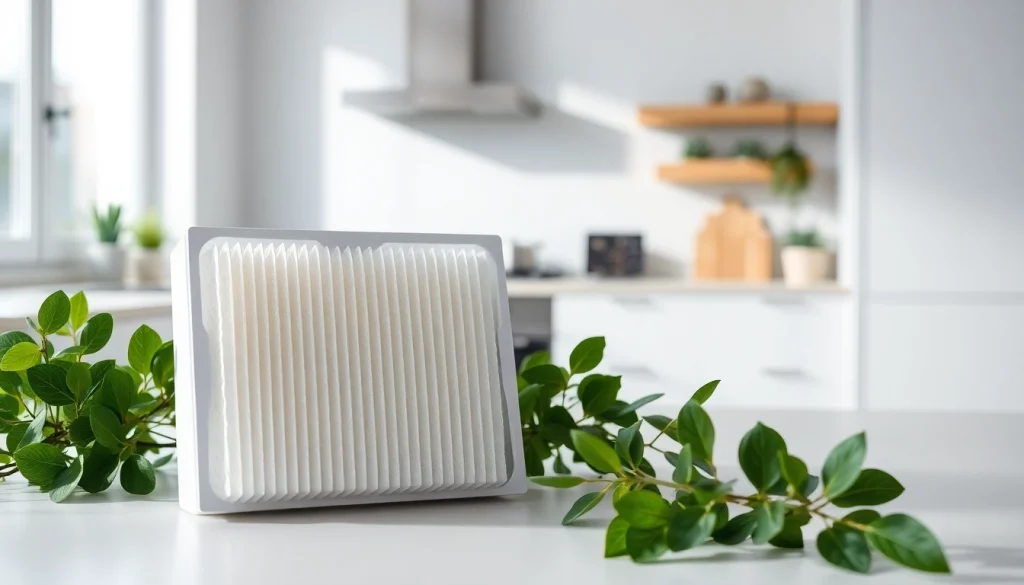
Introduction to HEPA Filters
In a world increasingly affected by air pollution and allergens, the demand for effective air filtration solutions has never been more critical. HEPA filters, which stand for High Efficiency Particulate Air filters, have been recognized as some of the most reliable means to capture airborne particles. These filters are designed to trap a high percentage of very small particles, making them essential for maintaining indoor air quality. In this article, we’ll explore the various facets of HEPA filters, their applications, health benefits, maintenance tips, and future trends in technology.
What is a HEPA Filter?
A HEPA filter is defined as an air filter that can remove at least 99.97% of particles that are 0.3 microns in diameter. This includes dust, pollen, mold spores, and pet dander. The efficiency of HEPA filters is derived from their unique mat of fibers, which effectively capture particles through both mechanical and electrostatic mechanisms. To delve deeper into the specifics of these filters, you can take a look at hepa filter technology, which is designed to surpass conventional air filters.
How HEPA Filters Work
HEPA filters operate differently from standard filters. Their design traps particles in various ways including:
- Interception: Particles follow the airflow and come into contact with the fibers where they stick.
- Impaction: Larger particles cannot maneuver around the fibers, thus colliding and sticking.
- Diffusion: Smaller particles are disturbed and bounce around due to molecular movement, increasing the probability of collision with filter fibers.
These methods work in conjunction to ensure maximum particle capture, making HEPA filters a robust solution for air purification.
Key Benefits of Using HEPA Filters
The advantages of utilizing HEPA filters are extensive:
- Superior Filtration: As mentioned, HEPA filters can remove at least 99.97% of particles, which significantly improves air quality.
- Odor Removal: While HEPA filters do not remove odors directly, they can collect dust and particles that contribute to unpleasant smells.
- Health Benefits: By reducing airborne allergens, HEPA filters contribute to a healthier living environment, particularly for individuals with allergies or asthma.
- Versatility: They can be used in a wide range of applications from residential to industrial use, improving air quality in homes, offices, hospitals, and public spaces.
Types of HEPA Filters
True HEPA vs. Other Filter Types
While HEPA filters are designed to capture fine particles, not all filters labeled as HEPA meet the same rigorous standards. There are three main types of HEPA filters:
- True HEPA: These must meet the standardized definition set by the U.S. Department of Energy, ensuring 99.97% efficiency at capturing 0.3-micron particles.
- HEPA-Type: These filters may have similar designs but fall short of the true HEPA standards in filtration capabilities.
- ULPA Filters: Ultra-Low Penetration Air filters can remove up to 99.999% of particles, offering even higher filtration than standard HEPA filters.
Understanding these distinctions is crucial in selecting the right filter for specific air quality needs.
Applications of HEPA Filters in Various Settings
HEPA filters boast a wide range of applications across different environments, including:
- Residential Use: HEPA filters are commonly found in home air purifiers and HVAC systems, providing cleaner air for households.
- Commercial Use: Offices and schools utilize HEPA-filtered air systems to enhance air quality, safeguarding the health of employees and students.
- Medical Environments: Hospitals and labs invest in HEPA filters to protect against bacterial and viral transmissions, ensuring sterile conditions.
- Manufacturing Industries: Certain production environments require stringent air quality, where HEPA filters play a pivotal role in maintaining cleanliness and safety.
Choosing the Right HEPA Filter for Your Needs
Selecting the appropriate HEPA filter involves several factors:
- Filtration Efficiency: Assess whether a true HEPA or HEPA-type filter suits your needs based on the specific particles you want to capture.
- Size Compatibility: Ensure the filter fits your existing systems to guarantee efficiency and effectiveness.
- Replacement Schedule: Some filters require more frequent changes than others; consider your maintenance capabilities.
- Cost: Invest in a filter that fits your budget while meeting necessary filtration standards.
Health Benefits of HEPA Filters
Reducing Allergens and Pollutants
Allergens such as pollen, dust mites, and pet dander can trigger allergic reactions and respiratory problems. HEPA filters significantly reduce these airborne pollutants, thereby offering superior relief to allergy sufferers:
- Pollen: HEPA filters can capture large quantities of pollen particles, especially during pollen season, enhancing indoor comfort.
- Dust Mites: These microscopic creatures thrive in homes; HEPA filters effectively trap their waste and carcasses to minimize allergic reactions.
HEPA Filters and Respiratory Health
Research indicates that clean air contributes to overall lung health. HEPA filters aid individuals suffering from asthma or chronic obstructive pulmonary disease (COPD) by:
- Cleaning Air: By removing irritants and pollutants from the air, they help reduce asthma attacks triggered by particulate matter.
- Minimizing Respiratory Illness: Improved air quality can lower the incidence of respiratory infections and diseases.
Improving Indoor Air Quality for Better Living
HEPA filters promote better indoor air quality that can lead to numerous benefits such as:
- Enhanced Mood: Clean air has a positive influence on mood and cognitive function, thereby improving productivity.
- Better Sleep Quality: Reduced allergens promote restful sleep, crucial for mental wellness.
- Healthier Living Environment: Continuous filtration helps prevent the buildup of mold spores and other harmful pathogens.
Maintenance and Longevity of HEPA Filters
How to Maintain HEPA Filters
Regular maintenance of HEPA filters is essential to ensure prolonged efficiency:
- Routine Checks: Inspect filters regularly for dirt accumulation and follow specific guidelines provided by manufacturers.
- Cleaning Guidelines: While many HEPA filters are meant to be disposable, some can be washed or vacuumed. Ensure you follow proper cleaning instructions to avoid damaging the filter.
Signs That Your HEPA Filter Needs Replacement
Knowing when to replace your HEPA filter is vital for maintaining optimal air quality:
- Reduced Airflow: If you notice a significant decline in airflow, it may indicate that the filter is clogged.
- Higher Energy Costs: A struggling air system due to a dirty filter often results in higher energy bills.
- Visible Dirt and Dust Accumulation: If the filter appears visibly dirty or discolored, it’s time for a change.
Maximizing the Life of Your HEPA Filter
To make the most of your HEPA filter, implementing best practices can extend its lifespan:
- Regular Vacuuming: Particle buildup can be reduced by frequently vacuuming your home, which limits the amount of dust that reaches the filter.
- Humidity Control: Maintaining optimal humidity levels can prevent the growth of mold, which extends the life of the filter.
- Use Pre-Filters: Consider using pre-filters that capture larger particles, thereby extending the life of the HEPA filter itself.
Future Trends in HEPA Filter Technology
Innovations in Air Filtration Solutions
The air filtration industry is continuously evolving, incorporating cutting-edge technology to enhance HEPA filters:
- Advanced Materials: New fiber constructions and coating techniques can increase filtration efficiency while maintaining airflow.
- Multi-Stage Filtration Systems: These engage multiple layers of filtration, optimizing the process by capturing a broader range of particles.
The Role of HEPA Filters in Smart Home Technology
As smart technology becomes commonplace, HEPA filters are increasingly integrated into smart systems:
- IoT Connectivity: Smart air purifiers equipped with HEPA filters can provide real-time air quality monitoring and alert users when changes occur.
- Automated Maintenance Alerts: Systems can notify homeowners when it’s time to replace or clean filters, simplifying maintenance routines.
Regulations Impacting HEPA Filter Usage
As concerns about air quality heighten, regulatory bodies are setting frameworks around HEPA filter usage:
- Environmental Regulations: Stricter guidelines are being put in place for industries to comply with outdoor and indoor air quality standards.
- Building Codes: New construction codes may require HEPA filters in HVAC systems to ensure healthy indoor environments.