







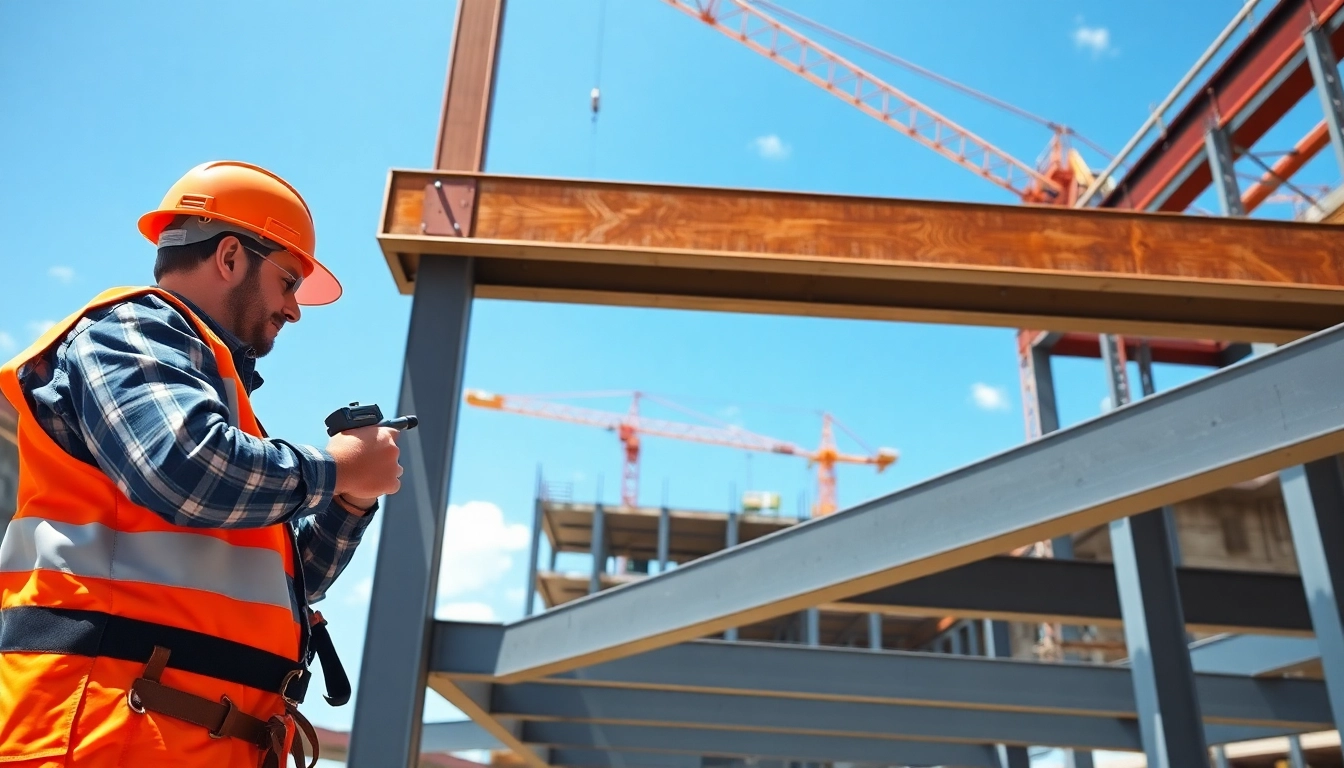
Understanding Structural Steel Installation
Structural steel installation is a pivotal aspect of modern construction, providing the essential framework that supports buildings, bridges, and various infrastructures. With its unmatched strength-to-weight ratio and durability, structural steel has emerged as a preferred choice among engineers and architects for a multitude of projects. The process of installation involves meticulous planning and execution, ensuring that the final structure meets safety regulations, design specifications, and performance expectations. Here, we will delve into the details surrounding structural steel installation, covering everything from the foundational elements to post-installation care.
What is Structural Steel?
Structural steel is a type of steel specifically engineered for use in load-bearing applications. Constructed from a combination of iron and various alloys, structural steel offers exceptional tensile strength and resilience. This alloy construction can be tailored during the manufacturing process, allowing for various configurations, such as beams, columns, and plates. Recognized for its versatility, structural steel can be fabricated and erected in various shapes and sizes, making it suitable for an array of applications across different industries, including commercial, residential, and industrial sectors.
Benefits of Structural Steel Installation
The benefits of installing structural steel are manifold, showcasing its widespread use in construction projects:
- Strength and Durability: With exceptional tensile strength, structural steel can bear heavy loads and withstand harsh environmental conditions, ensuring the longevity of structures.
- Cost-Effectiveness: Its lightweight properties reduce transportation and installation costs, while its durability lowers maintenance expenses over time.
- Design Flexibility: Structural steel can be molded or shaped to fit a wide range of design requirements, allowing for innovative architectural solutions.
- Speed of Construction: The modular nature of structural steel components facilitates quicker assembly, significantly reducing project timelines.
- Environmental Benefits: Structural steel is recyclable, minimizing waste and contributing to sustainable construction practices.
Key Terms and Concepts
Familiarizing oneself with the terminology associated with structural steel installation is crucial. Here are some key concepts:
- Load-Bearing: Refers to the ability of a structure to support weight from above.
- Fabrication: The manufacturing process where raw materials are transformed into components ready for installation.
- Welding: A technique used to join metal pieces through heat and pressure, ensuring structural integrity.
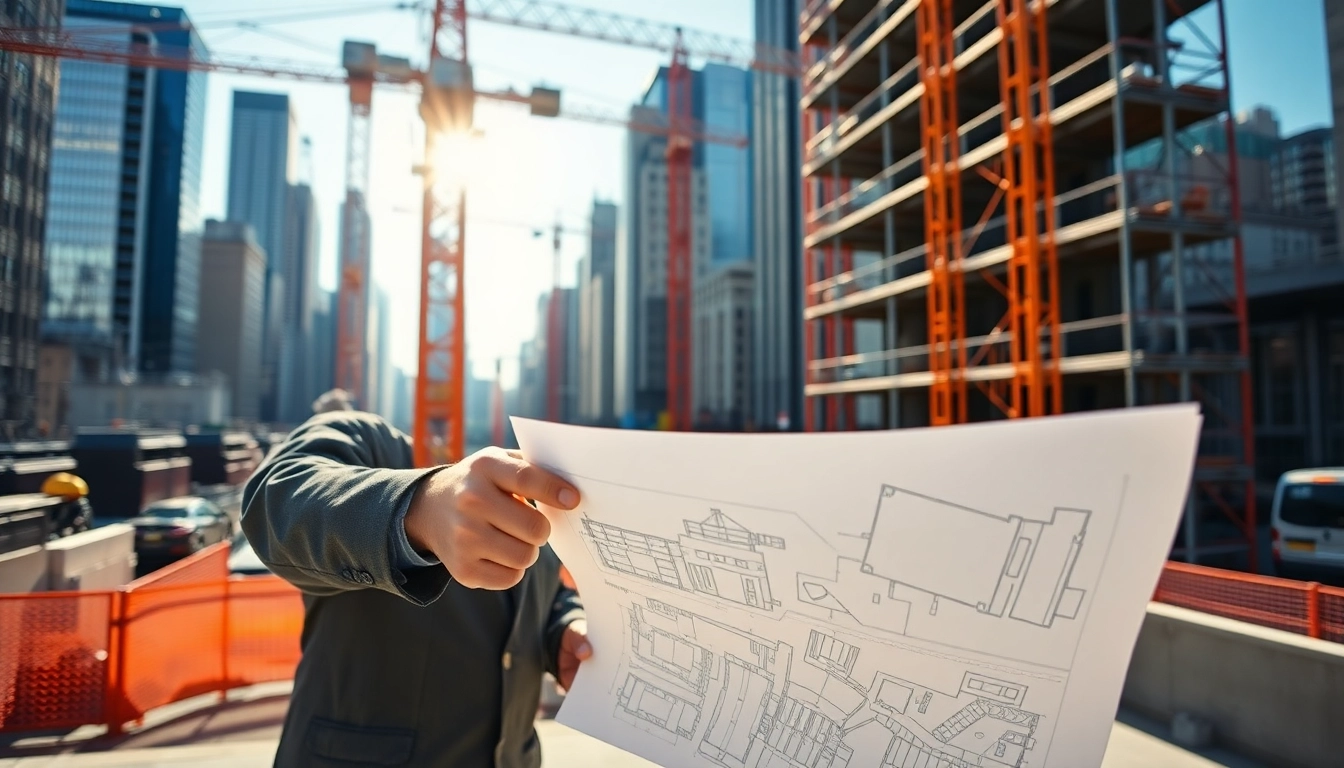
- Blueprints: Detailed architectural drawings that serve as the plan for construction and installation.
- Inspection: The process of evaluating the installation to ensure compliance with safety standards and project specifications.
Preparation for Structural Steel Installation
Site Assessment and Planning
The success of structural steel installation hinges on comprehensive site assessment and meticulous planning. Initial steps include:
- Site Survey: Evaluating the existing site conditions helps determine the feasibility of installation and identify any potential challenges.
- Soil Analysis: Conducting soil tests ensures that the ground can support the weight of the structural steel framework.
- Permitting and Compliance: Understanding local regulations and obtaining necessary permits is critical for lawful operations and inspections.
- Design Coordination: Collaborating with architects and engineers to ensure that the structural design aligns with the intended use and aesthetic vision.
Choosing the Right Materials
Material selection is a vital component of the planning phase. Key considerations include:
- Grade of Steel: Different grades possess varying strength and flexibility features; thus, selecting the proper grade according to load requirements is essential.
- Corrosion Resistance: Depending on environmental factors, opting for galvanized or weathering steel may enhance durability.
- Compatibility: Ensuring that all selected materials can work harmoniously together to maximize the structural integrity of the completed installation.
Safety Measures and Compliance
Prioritizing safety throughout the installation process ensures the well-being of all personnel involved. Key measures include:
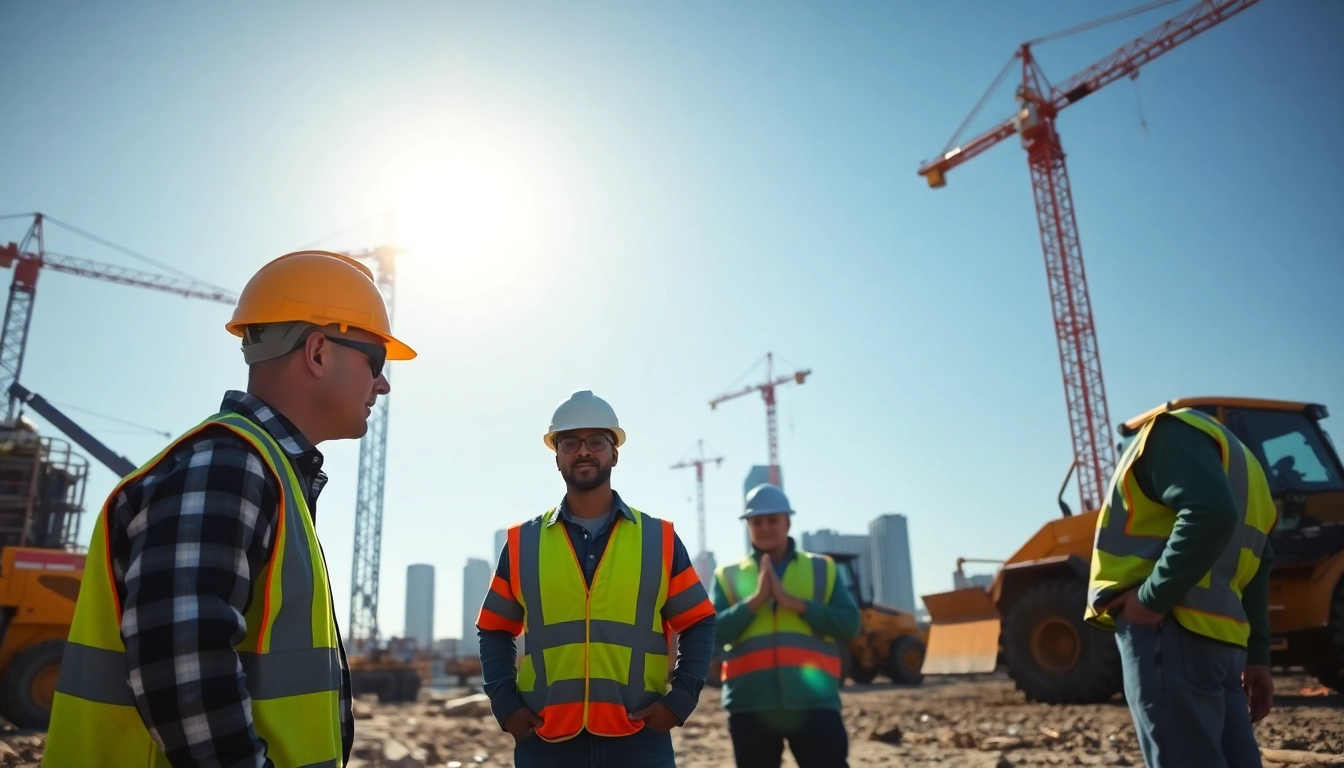
- Personal Protective Equipment (PPE): Hard hats, harnesses, gloves, and eye protection are standard safety gear for workers on-site.
- OSHA Guidelines: Adhering to Occupational Safety and Health Administration regulations is pivotal in maintaining a safe working environment.
- Emergency Protocols: Ensuring that all personnel are trained in emergency procedures helps mitigate risks associated with accidents.
The Installation Process
Foundation Requirements for Structural Steel Installation
The foundation serves as the backbone of the structural steel installation, providing the necessary support. Key considerations include:
- Foundation Type: Depending on soil conditions, various types of foundations (like slab, pier, or mat foundations) may be applicable.
- Load Distribution: The design of the foundation must account for the weight of the steel and any additional loads imposed during the building’s lifespan.
- Inspection: Foundation work should undergo rigorous inspection to ensure compliance with the engineered design.
Assembly Techniques
Several assembly techniques ensure that the structural steel is erected accurately and safely. Some common methods include:
- Bolted Connections: Fastening steel components together using bolts; this technique is favored for ease of assembly and adjustments.
- Welded Connections: Joining steel pieces through welding to create strong, permanent joints, frequently used in critical load-bearing areas.
- Pre-fabricated Components: Utilizing pre-assembled sections can expedite the installation process by minimizing on-site construction time.
Quality Control during Installation
Quality control throughout the installation process is essential for ensuring safety and structural integrity:
- Regular Inspections: Conducting routine inspections during various phases of installation to identify any potential issues early.
- Documentation: Maintaining records of inspections, materials used, and installation processes to ensure compliance and accountability.
- Training: Employing skilled workers who are well-trained in safety protocols and industry best practices can enhance the overall quality of the installation.
Post-Installation Considerations
Inspection and Maintenance
Post-installation inspection is crucial for ensuring the structural integrity and functionality of the newly erected steel framework. Considerations include:
- Structural Integrity Evaluations: Comprehensive assessments to check for deformities, misalignments, or other issues that could jeopardize safety.
- Routine Maintenance: Scheduling regular maintenance checks and repairs aids in preserving the longevity of the installation.
Common Problems and Solutions
Anticipating potential challenges can save time and resources in the long run. Some common problems and their solutions include:
- Corrosion: Implementing protective coatings or finishes can help guard against environmental factors that lead to corrosion.
- Misalignment: Ensuring accurate measurements during installation will minimize misalignment issues that require rework and delay.
- Weld Quality: Regular monitoring of welding techniques can prevent structural flaws and enhance safety.
Documentation and Reporting
Post-installation documentation is essential for comprehensive project management and accountability. Important aspects include:
- Completion Reports: Documenting the final state of the installation and comparing it against the original designs and specifications.
- Compliance Records: Maintaining records related to safety inspections, quality control measures, and compliance with regulations contributes to transparency.
- Maintenance Records: Maintaining a detailed account of inspections and repairs assists in long-term management and decision-making.
Frequently Asked Questions
What are the costs associated with structural steel installation?
The costs can vary widely based on project size, complexity, location, and labor. An accurate estimate should include materials, labor, and any permits.
How long does a typical structural steel installation take?
The timeline depends on project size and complexity but can range from a few days to several weeks, with planning being a significant factor.
What safety measures are essential during installation?
Safety measures include wearing protective gear, following OSHA guidelines, and conducting site assessments to prevent accidents and injuries.
Can structural steel be reused?
Yes, structural steel can often be reused or recycled, making it an environmentally sustainable option for construction projects.
What tools are needed for structural steel installation?
Common tools include cranes, welders, hoists, and various hand tools that aid in cutting and assembling steel components efficiently.