


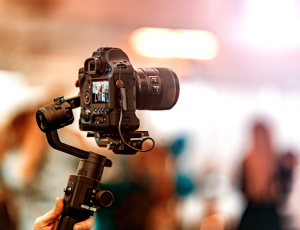
Elevate Your Events with Engaging On-Site Videography Solutions
Understanding On-Site Videography
What Is On-Site Videography?
On-site videography refers to the practice of capturing video footage in real time at a specific location. Unlike studio shoots, on-site videography enables videographers to depict events or scenarios as they occur, creating authentic and engaging content. This technique is commonly employed for various purposes, including corporate events, weddings, educational workshops, and promotional campaigns. The process involves not only filming but also strategic planning and thoughtful execution, making it critical for videographers to be adaptable and proficient.
Benefits of On-Site Videography
One of the primary advantages of on-site videography is the ability to create authentic, relatable content. By capturing moments in their natural setting, videographers can portray genuine emotions and interactions. This authenticity helps engage viewers, making content more impactful and memorable.
Additionally, on-site videography allows for greater flexibility. Videographers can adjust their shooting style on the fly, responding to lighting changes, unexpected occurrences, or unique opportunities that arise during the event. This spontaneity often results in compelling footage that may not have been possible in a controlled studio environment.
Moreover, on-site videography enhances storytelling. The diversity of backgrounds and environments can be leveraged to support narratives, providing context and depth to the visuals. Whether depicting the hustle and bustle of a corporate gathering or capturing the joyful atmosphere of a wedding, the right setting can elevate the entire video presentation.
Who Needs On-Site Videography?
Various industries benefit from on-site videography. Corporations often utilize it to showcase events such as product launches, conferences, and team-building activities, providing promotional material that highlights their brand. Educational institutions leverage on-site videography to create training materials and document significant events such as graduations and seminars, fostering a sense of community and sharing knowledge.
Moreover, individuals and families also increasingly recognize the value of on-site videography for personal events like weddings, anniversaries, and family reunions. Capturing these moments becomes essential for preserving memories that can be shared with future generations. Furthermore, non-profit organizations may employ on-site videography to document their missions and outreach efforts, helping to raise awareness and garner support.
Key Elements of On-Site Videography
Essential Equipment for On-Site Videography
The equipment used in on-site videography is crucial in determining the quality of the final product. Essential tools include high-definition cameras, tripods, stabilization systems such as gimbals, and microphones to capture high-fidelity audio. A reliable lighting kit is also important, especially in poorly lit environments or during evening events. Additionally, utilizing drones equipped with cameras can offer unique aerial perspectives, adding a dramatic flair to many projects.
It’s beneficial for videographers to carry spare batteries, memory cards, and backup equipment to prevent any disruptions during a shoot. Moreover, incorporating software for live streaming can enhance on-site videography, allowing content to be shared in real time, broadening audience engagement.
Components of a Successful Shoot
A successful on-site videography shoot involves meticulous planning and execution. Key components include a comprehensive shot list, which outlines the essential scenes or moments that must be captured. Creating a detailed schedule helps ensure that every segment of the event is covered. Communication with event organizers is vital as it provides insights into the event flow and any particular highlights that should be emphasized.
Another critical aspect is the understanding of the target audience. Knowing who will view the content can guide the creative approach, influencing narrative style and visuals. Finally, the ability to adapt during the shoot is crucial. Unexpected scenarios will arise, and being flexible allows videographers to seize unique opportunities for captivating content.
Choosing the Right Location for On-Site Videography
Choosing an appropriate location is fundamental to successful on-site videography. Factors to consider include the overall ambiance, accessibility, and suitability for the intended message. For corporate events, venues that reflect professionalism and brand identity are essential, while personal events may benefit from locations that have sentimental value.
It’s also essential to evaluate the site’s lighting conditions and potential noise disturbances. Natural light can be a significant ally in videography, so locations that allow for it can enhance the quality of the footage. Conducting a location scout ahead of time helps videographers assess these aspects, allowing for better planning and execution on the actual shoot day.
Planning Your On-Site Videography Project
Pre-Production Considerations
The pre-production phase sets the foundation for a successful on-site videography project. This includes developing a creative brief that outlines the goals, target audience, and messaging strategy. Budget considerations play a crucial role during this phase, dictating the scope of equipment, personnel, and other resources needed.
Engaging with key stakeholders is also crucial; understanding their expectations helps tailor the shoot to meet specific needs. Additionally, the production team should consider permits or insurance if required for certain locations or events, ensuring that the process is compliant and well-organized.
Creating a Production Timeline
Developing a production timeline is essential for managing the logistics of on-site videography. This timeline should break down every phase of the project, including preparation, filming, and post-production stages. Assigning specific deadlines ensures accountability among team members and keeps the project on track.
Incorporating buffer time into the schedule allows for unforeseen delays or challenges that often arise during shoots. Regular check-ins with the production team can help maintain alignment and flexibility, leading to a smoother experience for everyone involved.
Tips for Collaborating with Clients
Effective collaboration with clients significantly impacts the success of an on-site videography project. Regular communication is vital; scheduling calls or meetings to discuss updates and expectations fosters transparency. Actively listening to clients’ ideas and concerns is critical, as it builds trust and promotes a more productive partnership.
Developing a mutual understanding of the project’s scope and vision is crucial. Using visual aids such as mood boards or example videos can help convey ideas and inspire creativity. Providing clients with clear options for services and deliverables also helps set realistic expectations and strengthens the collaborative process.
Techniques to Enhance On-Site Videography
Utilizing Natural Light Effectively
Natural light can be one of the most powerful tools in an on-site videographer’s arsenal. Understanding the best times of day for shooting—often referred to as the “golden hour”—can dramatically enhance the visual quality of the footage. Early morning and late afternoon provide a soft, warm light that flatters subjects and creates stunning visuals.
However, utilizing natural light requires knowledge and technique. Positioning subjects correctly relative to the light source and using reflectors can help fill in shadows and create a more balanced look. Conversely, if shooting in harsh midday light, seeking shade or using diffusers can mitigate undesirable shadows and highlights, resulting in a polished product.
Crafting Compelling Narratives
At its core, videography is about storytelling. Crafting a compelling narrative is essential for engaging an audience. Every project should have a clear theme or message that informs the footage captured and the editing process. For instance, documenting a corporate event may emphasize teamwork and innovation, while a wedding film focuses on love and connection.
Utilizing interviews with key participants can enhance narratives, providing personal insights that resonate with viewers. Coupling these interviews with complementary visuals and b-roll footage can create a cohesive story that captivates and informs.
Editing to Maximize Impact
The editing phase is where the magic truly happens in on-site videography. This process involves piecing together the captured footage to create a seamless and engaging final product. Employing various editing techniques, such as cutaways, transitions, and sound design, can elevate the quality and effectiveness of the video.
Color grading and audio mixing are also critical components; well-edited videos are aesthetically pleasing and deliver impactful sound, whether it be music, dialogue or ambient sounds. Attention to detail during the editing process will create a polished final video that resonates with the intended audience.
Measuring Success in On-Site Videography
Key Performance Indicators for Videography Projects
Measuring the success of on-site videography projects involves analyzing relevant Key Performance Indicators (KPIs). These can include audience engagement metrics, such as views, likes, comments, and shares on social media. For corporate projects, lead generation or sales conversions linked to the video can serve as important indicators of effectiveness.
Furthermore, feedback from clients on deliverables can provide valuable insights into both the quality of the work and its alignment with expected outcomes. Tracking these KPIs allows videographers to adapt strategies for future projects, ensuring continuous improvement.
Gathering Client Feedback
Obtaining feedback from clients is key in assessing the effectiveness of the on-site videography services provided. After delivering the final product, seeking structured feedback through surveys or direct communication can yield valuable insights. Key questions might assess the perceived quality of the video, how well it met client expectations, and areas for improvement.
Constructive feedback helps videographers refine their processes and outputs, tailoring their approach to better serve clients in the future. This not only enhances the final product but also solidifies long-term client relationships.
Improving Future On-Site Videography Projects
Every project offers learning opportunities. Reviewing past projects, both successful and less so, is essential for identifying strengths and areas in need of improvement. Staying updated on industry trends, techniques, and technologies can provide new perspectives and ideas for future projects.
Moreover, investing in professional development through workshops, seminars, or online courses can enhance skills. Collaborating with other professionals in the field can also yield new approaches and insights. By continually evolving as a videographer, individuals can improve their craft and provide even higher value in subsequent projects.
FAQs
What is the average cost of on-site videography?
The cost of on-site videography varies based on factors like project scope, equipment, and duration. On average, expect to invest anywhere from $1,000 to $10,000 or more for comprehensive services.
How long does it take to edit on-site videography footage?
Edit times depend on video length and complexity. Typically, simple projects may take a few days, while intricate edits can require several weeks for best results.
Can on-site videography be done for live events?
Yes, on-site videography is ideal for live events. It captures real-time moments, providing authentic content that can be used for future promotions or reflections.
What formats can on-site videography be delivered in?
On-site videography can be delivered in various formats including digital files for online sharing, DVDs, and even streaming options tailored to client needs.
How do I choose the right videographer for my project?
When selecting a videographer, review their portfolio, client testimonials, and relevant experience. Ensure their style aligns with your vision and that they communicate well.