




Transforming Infrastructure: A Comprehensive Guide to Railroad Construction
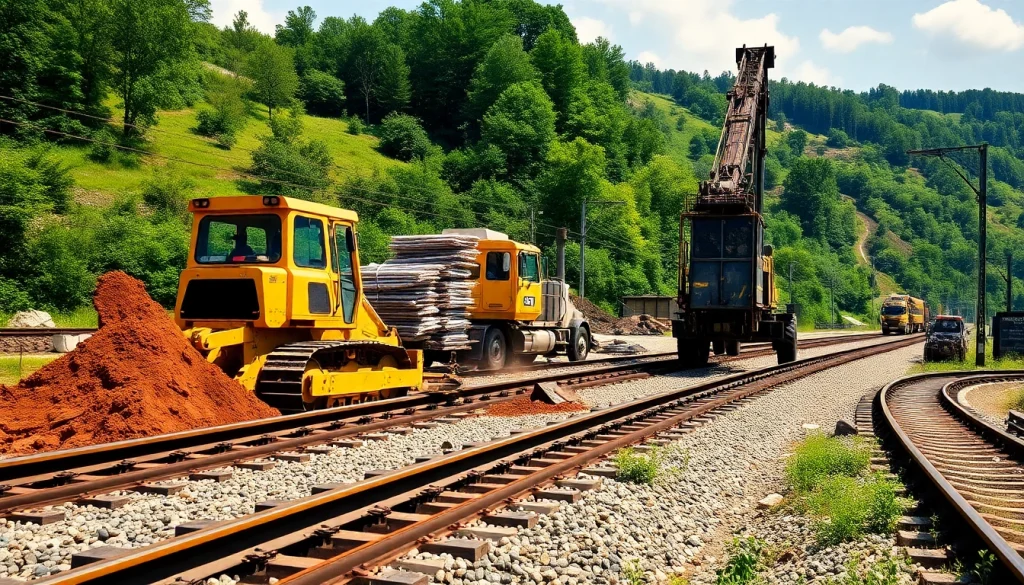
Understanding Railroad Construction
What is Railroad Construction?
Railroad construction involves the process of building rail tracks, stations, and the necessary infrastructure for trains to operate efficiently. This construction discipline is a vital segment of civil engineering that requires heavy machinery, skilled labor, and extensive planning. Projects can range from installing new tracks to repairing existing ones, as well as developing routing systems that involve bridges, tunnels, and signaling. Typically, railroad construction is crucial for enabling efficient freight and passenger transport, which supports economic growth and connectivity. Industry-specific regulations and safety standards must also be adhered to throughout the construction process.
Importance of Railroad Transportation
Railroad transportation has played a pivotal role in shaping the economies of nations. It offers a cost-effective, energy-efficient means of transporting goods and people over long distances. Railroad Construction ensures accessibility in remote areas, reduces road congestion, and lowers carbon emissions compared to trucking. Additionally, it facilitates international trade by connecting major cities and industrial hubs. The environmental benefits of railroads are further enhanced through investments in electrification and innovative technologies aimed at reducing the carbon footprint associated with traditional diesel locomotives.
Key Components of Railroad Construction
Components of railroad construction encompass a variety of infrastructures: tracks, ties, ballast, signaling systems, and rail stations. Tracks consist of steel rails, laid on ties (or sleepers), which are supported by ballast – gravel or similar material that provides stability. Signaling systems are integral for safe train operations, enabling precise communication between trains and control centers. Furthermore, stations serve as hubs for passengers and cargo, providing access to various transit modes. Each component must be designed and assembled for durability to withstand the considerable forces exerted by passing trains.
Essential Equipment Used in Railroad Construction
Heavy Machinery Overview
The successful execution of railroad construction projects relies heavily on specialized equipment. Commonly used machines include excavators, ballast regulators, and track laying machines. Excavators are essential for groundwork and grading, while ballast regulators ensure the track bed is adequately maintained. Additionally, railway cranes are employed for the installation and maintenance of signals and overhead wires. By utilizing advanced machinery, construction durations can be significantly reduced, leading to cost savings and improved safety throughout the project lifecycle.
Safety Equipment Considerations
Safety remains a paramount concern during any construction project, including railroad construction. Workers are required to wear protective gear such as hard hats, high-visibility clothing, gloves, and steel-toed boots. Equipment safety features also play a vital role; for instance, heavy machinery should come equipped with alarms and visibility aids. Regular safety training and adherence to industry standards are crucial in minimizing risks associated with construction sites, particularly those involving heavy machinery and ongoing rail traffic.
Innovative Tools for Efficient Construction
The evolution of technology has introduced innovative tools that streamline railroad construction. Geographic Information Systems (GIS) are used for site assessments and route planning, allowing for precise recordings of topography and ground conditions. Drones have emerged as invaluable for surveying, enabling efficient aerial views and data collection over large areas. Moreover, rail welders and automated track inspection systems utilize advanced technologies to guarantee quality and safety in construction standards.
Phases of Railroad Construction Projects
Planning and Design Stage
The planning and design phase of railroad construction is critical for successful project execution. This stage involves conducting feasibility studies, environmental impact assessments, and securing necessary permits. Engineers draft design plans incorporating safety measures and compliance with regulatory guidelines. Stakeholder engagement also occurs during this phase, ensuring community support and addressing concerns about land use, noise, and environmental safety. Collaboration among civil engineers, architects, environmental scientists, and local governments is integral for a comprehensive plan.
Groundwork and Grading Techniques
Groundwork and grading are foundational steps in railroad construction. This phase typically begins with clearing the construction site of vegetation and debris. Grading involves the process of leveling and shaping the terrain to prepare for track laying. Techniques such as cut-and-fill balance are employed to ensure optimal drainage and stability. Data collection from soil testing guides the grading process, ensuring that the proper compaction and moisture content are maintained, which is crucial for the longevity of the track system.
Track Installation and Testing
Once groundwork is complete, track installation can commence. This includes laying down rails, fastening them to ties, and distributing ballast. Following installation, rigorous testing is essential. This entails running trials with test trains to ensure alignment, stability, and safety features are intact. Additionally, as part of the testing process, systems such as communication and signaling are verified to guarantee operational readiness. This phase is finalized with comprehensive inspections before the track is opened for regular transit.
Challenges in Railroad Construction
Environmental Impact and Mitigation
Environmental concerns are a significant challenge in railroad construction. Disturbance to ecosystems and wildlife habitats can arise during clearing and grading. Proactively, mitigation strategies such as establishing buffer zones, erosion control measures, and utilizing environmentally friendly materials are essential. An environmental management plan should be developed to monitor impacts throughout the construction phase and ensure compliance with local and federal regulations protecting natural resources.
Logistical Issues and Solutions
Logistical complexities frequently arise in railroad construction due to the need for precise coordination of materials, equipment, and labor. Delays can occur with material deliveries or equipment malfunctions. Establishing a reliable supply chain and utilizing project management software can help mitigate these issues. Just-in-time inventory practices also allow construction teams to optimize resource allocation and minimize waste, ensuring that projects remain on schedule and within budget.
Weather Conditions Affecting Operations
Weather can significantly impact the timeline and efficiency of railroad construction. Extreme conditions, such as heavy rain, snow, or heat, can delay operations and pose risks to worker safety. Contractors should factor potential weather impacts into project timelines and develop contingency plans. Ensuring machinery is weatherproofed and maintaining a flexible schedule can help mitigate adverse conditions. In addition, utilizing real-time weather monitoring systems can enhance preparedness for unforeseen weather events.
Future of Railroad Construction
Technological Advancements
The future of railroad construction is poised for transformation through technological advancements. Smart rail systems, enhanced by IoT sensors and AI, promise to improve efficiency and safety. Predictive maintenance technologies can detect issues before they escalate, reducing downtime and maintenance costs. Additionally, autonomous construction vehicles and robotic systems are likely to automate certain tasks, enhancing precision and efficiency in construction processes.
Sustainability Practices
As societal focus on environmental sustainability grows, railroad construction is expected to incorporate green practices. The use of recycled materials for tracks, energy-efficient machinery, and sustainable worksite practices will likely increase. Electrification of rail services and development of green corridors can drastically reduce the environmental footprint. Collaboration with environmental experts to ensure construction aligns with sustainable practices will be critical for future projects.
Investment Trends and Economic Impact
Investment trends in railroad construction are shifting towards public-private partnerships (PPP) and infrastructure funding from government bodies seeking to bolster economic growth. The economic impact of railroad construction extends beyond immediate job creation, influencing regional connectivity, trade efficiencies, and market access. Growing investments are anticipated in urban transit and intermodal freight networks, shaped by increasing demand for sustainable transportation options.
Frequently Asked Questions
What is the purpose of railroad construction?
The purpose of railroad construction is to build infrastructure for trains to transport passengers and freight efficiently, promoting economic growth and connectivity.
What are the major components of railroad construction?
Major components include tracks, ties, ballast, signaling systems, and railway stations, all essential for safe and efficient rail operations.
How does weather impact railroad construction?
Weather can cause delays and safety risks during construction; hence, it’s essential to plan for adverse conditions with flexibility in timelines and contingencies.
What technologies are used in railroad construction?
Technologies such as GIS for planning, drones for surveying, and smart rail systems for maintenance and safety are increasingly used in railroad construction.
How is sustainability incorporated in railroad construction?
Sustainability practices in railroad construction include using recycled materials, electrification, and implementing environmentally friendly worksite practices.