




Comprehensive Guide to Mastering Steel Structure Design Techniques
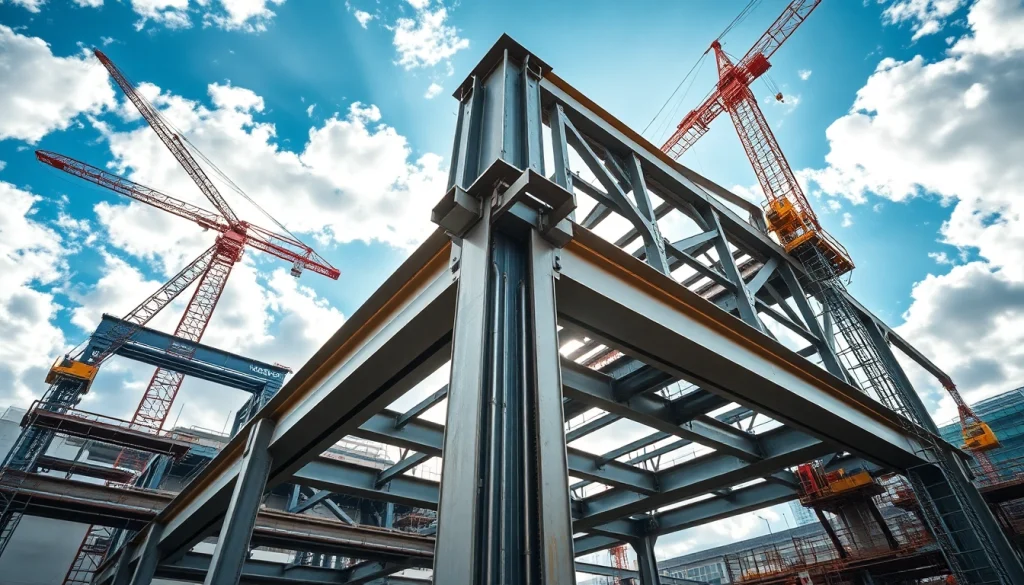
Understanding Steel Structure Design Fundamentals
What Defines Steel Structure Design?
Steel structure design is a specialized field within civil and structural engineering that focuses on the creation and analysis of buildings and structures predominantly made from steel. Steel’s high strength-to-weight ratio, versatility, and durability make it an ideal material for various applications, from skyscrapers to bridges. The design process encompasses not only the selection of appropriate materials but also the consideration of various forces and loads that the structure must endure, which ensures stability and longevity.
At its core, steel structure design involves geometric configurations, structural analysis, and material properties. Engineers must assess how loads will interact with the structure and determine the most effective methods for managing these forces while maintaining aesthetic appeal. This field continually evolves with advancements in technology, sustainability practices, and design trends, ensuring that modern structures are not only functional but also visually striking.
The Importance of Structural Integrity
Structural integrity is a critical aspect of steel structure design, referring to the ability of a structure to withstand its intended load without experiencing failure or unacceptable deformation. In essence, it ensures safety and reliability for occupants and users. Engineers must meticulously analyze various factors, such as material strength, load distribution, and potential environmental effects, to guarantee that the structure maintains its integrity over time.
This attention to structural integrity is essential during the entire lifecycle of a building, from initial design to construction and ongoing maintenance. Regular inspections and quality control measures help identify potential weaknesses or points of failure, allowing for timely interventions that can prevent catastrophic outcomes. In doing so, engineers contribute to the safety of human life while also upholding the investment in the structure.
Key Materials in Steel Structure Design
The choice of materials is paramount in steel structure design, impacting both performance and cost-effectiveness. Steel itself is the primary material, with various grades and types suited for specific applications. Structural steel, often categorized by its yield strength, includes options such as carbon steel, alloy steel, and stainless steel, each offering unique properties that cater to different environmental and structural requirements.
In addition to steel, incorporating other materials like concrete, glass, and insulation is common in creating hybrid structures that optimize performance and aesthetics. Concrete is often used in conjunction with steel to create composite structures that improve load-bearing capacity and reduce overall weight.
Moreover, advancements in material technology have led to the emergence of high-strength steels and coatings that enhance durability and resistance to corrosion. The evolution of materials continues to reshape design possibilities, enabling innovative structures while promoting environmental sustainability.
Principles of Effective Steel Structure Design
Load-Bearing Factors in Steel Structure Design
Understanding load-bearing factors is fundamental to effective steel structure design. Loads can be classified into several categories: dead loads, live loads, wind loads, seismic loads, and snow loads, each requiring careful consideration during the design phase.
Dead loads are the static weights of all structural components, including ceilings, floors, and walls. Live loads represent the variable weights of occupants, furniture, and movable objects. Wind and seismic loads are dynamic forces that can induce significant stress on the structure, particularly in high-rise buildings and bridges. Designers must follow established codes and guidelines, such as those set forth by the American Institute of Steel Construction (AISC), to accurately assess these loads and ensure the structure can withstand them without compromising safety.
Additionally, employing computer-aided design (CAD) and structural engineering software can help model load scenarios, assess stress distribution, and identify potential vulnerabilities in the design. Advanced simulations allow for adjustments before construction begins, ultimately leading to safer and more resilient steel structures.
Aesthetic Considerations in Construction
While functionality is paramount in steel structure design, aesthetic considerations play an equally vital role. The visual appeal of a building can influence public perception, attract tenants, and enhance the overall environment. Thus, integrating design aesthetics into technical engineering is a key challenge for modern architects and engineers.
Design elements such as façade treatments, structural forms, and spatial layouts contribute to a building’s character. Steel’s versatility allows for an array of creative designs, including open spaces, intricate shapes, and innovative structural forms that defy traditional norms. The use of exposed steel elements can create an industrial style, while refined, minimalistic approaches might emphasize sleek lines and modernity.
Collaboration between architects and structural engineers is essential in achieving a balance between aesthetic appeal and structural soundness, ensuring that visual designs do not compromise safety or durability.
Balancing Functionality and Design
Achieving a balance between functionality and design is essential in steel structure design. A functional structure must serve its intended purpose, whether that’s housing people, equipment, or activities, while also meeting practical requirements such as accessibility, safety, and sustainability.
This balance necessitates a deep understanding of user needs and environmental contexts. For instance, designing a commercial building may involve creating flexible workspaces that encourage collaboration while also adhering to zoning and regulatory codes. Additionally, thoughtful consideration of natural light, ventilation, and energy efficiency can enhance occupant comfort and reduce operational costs.
To strike this balance effectively, designers can engage in user-centered design practices that prioritize the end-user’s experience. Additionally, iterative design processes allow for ongoing feedback and adjustments throughout the project lifecycle, resulting in a steel structure that functions well and is visually appealing.
Advanced Techniques in Steel Structure Design
Innovative Uses of Steel in Modern Architecture
Steel’s adaptability has led to innovative applications in modern architecture. One of the most significant developments is the use of prefabricated steel components, allowing for faster construction times and reduced waste. Prefab elements can be manufactured in controlled environments, ensuring higher quality and consistency before being transported to the construction site for assembly.
Moreover, the integration of steel with other materials, such as timber, glass, and concrete, has led to hybrid designs that enhance both performance and aesthetics. For example, merging steel framing with glass façades results in visually striking buildings that maximize natural light while ensuring structural integrity. This synergy between materials can also facilitate energy efficiency, reducing reliance on artificial lighting and temperature control.
Additionally, advanced fabrication techniques, such as 3D printing and robotic welding, are transforming traditional steel manufacturing, enabling highly customized designs and increasing precision in component fitting. These technologies not only enhance design possibilities but also streamline construction processes, further pushing the boundaries of what is achievable in steel structure design.
Sustainability Practices in Steel Structure Design
Sustainability is increasingly becoming a cornerstone of steel structure design practices. As environmental concerns grow, architects and engineers are striving to design structures that minimize carbon footprints, maximize energy efficiency, and reduce waste throughout their lifecycle.
Steel is inherently recyclable, making it a sustainable choice for construction. Designers can utilize recycled steel in their projects, decreasing the demand for new raw materials. Furthermore, incorporating sustainable practices, such as designing for disassembly, allows structures to be more easily repurposed at the end of their lifecycle.
Energy-efficient design strategies, including using insulated panels, optimizing natural ventilation, and incorporating renewable energy systems, contribute to reducing a structure’s operational energy consumption. Building Information Modeling (BIM) can help in planning these efficiencies by providing data-driven insights that inform design decisions.
Integrating Technology in Design Processes
The integration of technology in steel structure design is revolutionizing the industry. Tools such as Building Information Modeling (BIM) and computer-aided design (CAD) have transformed how architects and engineers collaborate on projects. BIM facilitates comprehensive modeling, allowing teams to visualize structures, analyze performance, and identify potential conflicts before construction commences.
Moreover, emerging technologies, such as artificial intelligence (AI) and machine learning, are becoming more common in design processes. These technologies can analyze vast amounts of data to generate optimized designs, suggest material usage, and predict performance outcomes, enabling a more efficient design process that reduces human error and enhances creativity.
Additionally, virtual reality (VR) and augmented reality (AR) are being employed to provide immersive experiences, allowing stakeholders to “walk through” designs before they’re built. This not only facilitates better decision-making and communication but also enhances user experience through visual representation and interaction.
Challenges in Steel Structure Design Implementation
Common Pitfalls and How to Avoid Them
Despite the advantages of steel structure design, several common pitfalls can hinder project success. One significant challenge is inadequate communication between design teams, which can lead to misunderstandings regarding project specifications, timelines, and cost estimates. Establishing clear communication channels and a collaborative culture is essential to mitigate these issues.
Another pitfall is the oversight of proper load analysis, which can result in structural vulnerabilities. Engineers must ensure that thorough investigations are conducted and that all loading scenarios are accounted for during the design process. Using advanced software tools can greatly assist in accurately modeling these loads and stress distributions.
Cost overruns are also a common issue in steel structure projects. To avoid this, project managers should establish comprehensive budgets that take into account all phases of the project, including contingencies for unexpected conditions. Regular review processes and stakeholder involvement can help keep the project on track financially.
Weather Considerations and Adaptive Design Solutions
Weather plays a crucial role in steel structure design, affecting material performance and overall building integrity. Whether dealing with high winds, heavy snow loads, or extreme temperatures, engineers must consider environmental impacts during the planning and design phases.
Adaptive design solutions can mitigate weather-related challenges. For instance, designing buildings to withstand potential seismic activity in areas prone to earthquakes involves understanding geotechnical conditions and employing base isolation techniques. Similarly, structures located in high-wind zones may require enhanced structural bracing to prevent collapse.
Implementing passive design strategies, such as utilizing overhangs for shade and strategically placing windows for ventilation, can optimize a building’s performance regardless of weather extremes. These considerations not only enhance occupant comfort but also extend the lifespan of the structure.
Regulatory Compliance in Steel Structure Design
Regulatory compliance is a critical consideration in all aspects of steel structure design. Building codes and standards are developed to ensure safety, accessibility, and sustainability, and adhering to these regulations is not an option but a requirement.
Engineers and architects must familiarize themselves with local, state, and federal building codes that govern structural designs, ensuring that all elements of the project meet or exceed the required specifications. This includes aspects such as fire resistance, load-bearing capacities, and egress paths.
Additionally, engaging with regulatory bodies early in the design process can help identify potential hurdles and streamline approval processes. Conducting thorough documentation and presenting clear plans can facilitate smoother inspections and reviews, ultimately reducing delays in construction timelines.
Measuring Success in Steel Structure Design Projects
Performance Metrics to Evaluate Design Effectiveness
Measuring the success of steel structure design projects is essential to improve future endeavors and ensure that projects meet their intended goals. Several performance metrics can be employed to evaluate various aspects of the design.
Key metrics may include structural stability, durability, energy efficiency, and user satisfaction. Structural stability can be assessed through load testing and performance under simulated stress conditions. Meanwhile, energy efficiency can be measured through energy audits and operational data analysis post-occupancy.
User satisfaction is another vital metric, often gauged through surveys and feedback mechanisms post-completion. Understanding occupant experiences can provide valuable insights into the design’s success in meeting functional and aesthetic expectations.
Case Studies of Successful Steel Structures
Studying successful steel structures provides valuable lessons and inspiration for future projects. Lowry Bridge in Minnesota, for instance, showcases how innovative steel designs can create striking forms that are also functional. Its use of weathering steel not only enhances durability but also adds aesthetic value through a dramatic, rust-like appearance.
Another example is The Shard in London, one of the tallest buildings in the UK. Its steel frame supports a soaring glass façade, creating an iconic silhouette while maximizing natural light for its inhabitants. The Shard demonstrates how integrating sustainability with innovative design can elevate both performance and aesthetics.
Case studies like these highlight the importance of creativity, solid engineering principles, and proper project management in achieving remarkable steel structures that stand the test of time.
Future Trends in Steel Structure Design Evaluation
As technology continues to evolve, the future of steel structure design evaluation appears bright. Emerging trends include an increased focus on sustainability and resilience, with a shift toward designing structures that adapt to changing environmental conditions.
Predictive analytics and artificial intelligence will likely play significant roles in forecasting structural performance across various scenarios, enabling engineers to preemptively address potential issues before they arise. Such tools can optimize designs for efficiency and longevity while also considering real-time data during operation.
The integration of smart technologies into steel structures will further refine evaluation processes, allowing for continuous monitoring of structural health, energy usage, and user interactions. This proactive approach to evaluation not only aids in maintenance but also pushes the boundaries of what is achievable in steel structure design.