






Understanding the Basics of Gardening
What is Gardening?
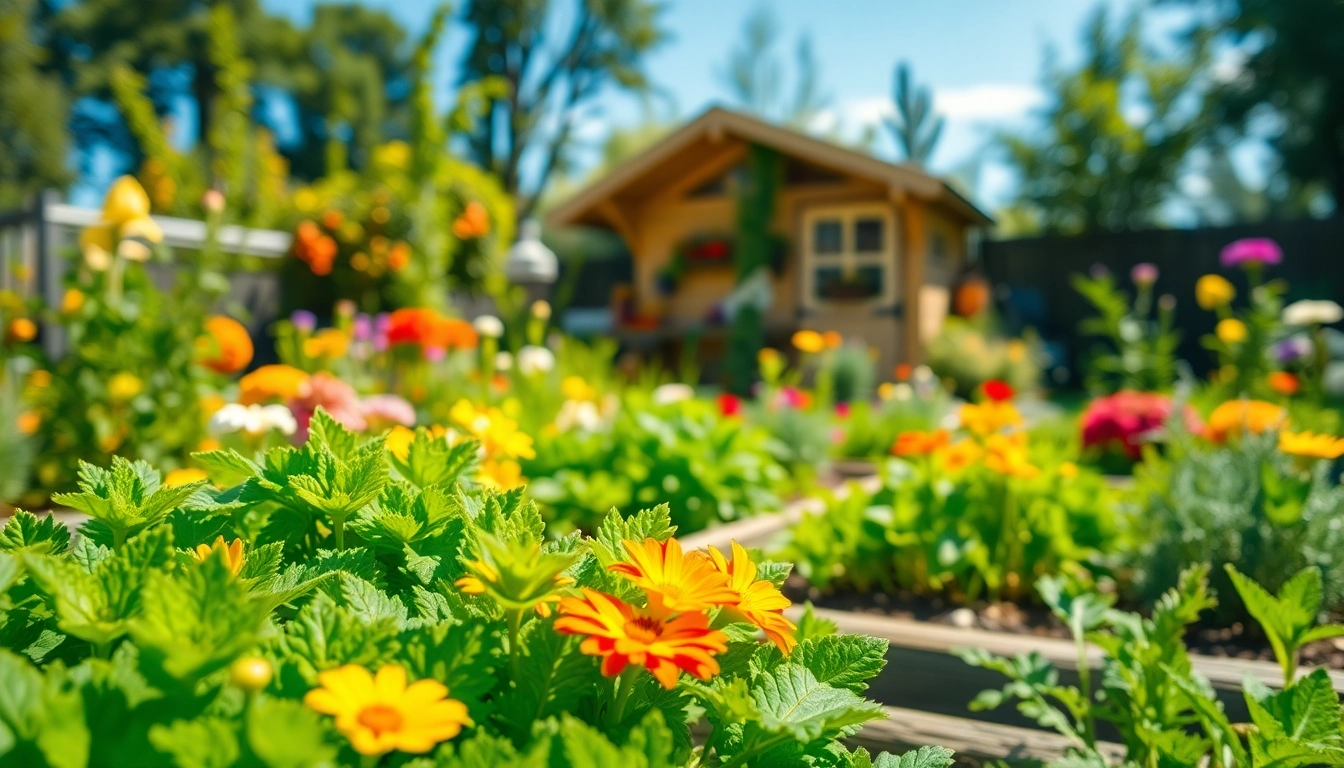
Gardening is an ancient practice that has transcended cultures and time, serving as a vital source for sustenance, beauty, and community engagement. At its core, gardening involves growing various plants—flowers, vegetables, fruits, and herbs—within a designated space. This endeavor not only allows individuals to cultivate their food but also encourages creativity, promotes physical activity, and enhances mental well-being. Through Gardening, people forge a connection with nature that can be deeply fulfilling, fostering an understanding of ecosystems and sustainability.
Different Types of Gardening
There are myriad styles of gardening, each suited to different interests, environments, and goals. Here are some of the most popular forms:
- Vegetable Gardening: A method focused on growing food for personal consumption. It can range from small container gardens to larger plots.
- Flower Gardening: Emphasizes aesthetic appeal, focusing on perennial and annual flowering plants that add color and beauty to spaces.
- Herb Gardening: Involves growing culinary, medicinal, and aromatic herbs, often in compact, accessible spaces.
- Container Gardening: Ideal for limited spaces such as balconies or patios, using pots and containers to grow plants.
- Indoor Gardening: Focuses on cultivating plants within a home environment, often using grow lights and specialized indoor plants.
- Sustainable Gardening: Practices that prioritize ecological balance, including permaculture, organic gardening, and conservation techniques.
Essential Gardening Tools
To garden effectively, a few essential tools can make all the difference. Here’s a list of must-have gardening implements:
- Hand Trowel: Perfect for digging small holes and transplanting seedlings.
- Pruning Shears: Ideal for trimming stems and maintaining the health of plants.
- Garden Fork: Used for loosening and turning the soil, which promotes aeration and drainage.
- Watering Can: Essential for providing water directly to the garden, especially in dry periods.
- Gloves: Protect hands from blisters, cuts, and dirt.
- Rake: Useful for leveling soil and collecting debris.
Planning Your Gardening Space
Choosing the Right Location
The location of your garden is crucial to its success. Factors such as sunlight exposure, wind patterns, and proximity to a water source should be considered. Ideally, most vegetable and flower gardens need at least six hours of direct sunlight daily. Assess your yard or available space, taking note of the sun’s trajectory throughout the day. Also, consider the convenience of accessing water, as well as possible shelter from harsh wind or extreme weather conditions.
Soil Preparation Techniques
Healthy soil is the foundation of any thriving garden. Here are several steps to prepare your soil:
- Testing Soil Quality: Utilize a soil test kit to assess nutrient levels and pH balance. This information will guide your amendments.
- Amending Soil: Based on test results, add organic matter such as compost, aged manure, or peat moss to improve fertility and texture.
- Tilling the Soil: Loosen the soil to a depth of about 12 inches but avoid overworking it to prevent soil compaction.
Creating Garden Layouts
Proper garden layouts can enhance plant growth and ease maintenance. Plan your layout considering:
- Spacing: Plants need adequate space to grow—consider mature size when planting.
- Companion Planting: Some plants thrive better when grown together. Research beneficial pairings.
- Accessibility: Ensure paths between rows allow easy access for watering, weeding, and harvesting.
Selecting and Sowing Seeds
Best Seeds for Beginners
Starting a garden can be daunting, but some seeds are particularly well-suited for novice gardeners due to their robustness and ease of growth. Consider these options:
- Radishes: Quick to germinate and mature, making them ideal for quick satisfaction.
- Beans: Hardy and prolific, beans are forgiving and produce bountiful yields.
- Lettuce: Fast-growing and can be harvested multiple times.
- Marigolds: Not only add color but also deter pests from vegetable gardens.
Seed Sowing Techniques
Correct sowing methods set the stage for successful germination. Here are tips to keep in mind:
- Follow the Depth Guidelines: Different seeds have particular depth requirements; small seeds should be sown near the surface while larger seeds should be buried deeper.
- Water Gentle: After sowing, water the area lightly to avoid displacing seeds.
- Consider Temperature: Certain seeds have specific temperature requirements for germination. Monitor soil temperatures and plant accordingly.
Understanding Seed Germination
Germination is a critical process in plant growth. It begins when seeds absorb water, signaling the start of development. Essential conditions for successful germination include:
- Moisture: Seeds require consistent moisture, so ensure the soil remains damp but not waterlogged.
- Oxygen: Root growth demands oxygen, which is why loose soil is crucial.
- Temperature: Most seeds germinate best at temperatures between 65°F and 75°F.
Maintaining Your Garden
Watering and Irrigation Strategies
Effective watering is essential for plant health. Implement these strategies for optimal results:
- Water Deeply: Early morning watering allows deep absorption, while evening watering can lead to fungal issues.
- Drip Irrigation: This system conserves water and delivers it directly to the root zone.
- Mulching: Adding a layer of organic material can help retain soil moisture and regulate temperature.
Pest and Weed Control Methods
Maintaining a garden means managing pests and weeds. Here are effective control methods:
- Companion Plants: Introducing plants that repel pests naturally can be a great defense.
- Hand Weeding: Regularly removing weeds by hand prevents them from competing with your plants.
- Natural Pesticides: Using insecticidal soap or diatomaceous earth can help manage pest populations without harmful chemicals.
Fertilizing and Soil Health
Healthy soil leads to healthy plants, thus regular monitoring and amendments are crucial. Consider these steps:
- Choosing the Right Fertilizer: Understand the nutrient content of fertilizers, focusing on N-P-K ratios appropriate for your plants.
- Organic Matter Additions: Regularly incorporate compost or well-rotted manure to improve soil fertility.
- Soil Testing: Conduct tests seasonally to monitor pH and nutrient levels, adjusting strategies as necessary.
Harvesting and Enjoying Your Garden
When to Harvest Your Produce
Knowing when to harvest can dramatically affect the quality and flavor of your vegetables. Here are key signs to observe:
- Color and Size: Many vegetables will change color or size when ready to harvest; for example, tomatoes should be fully colored, and bell peppers should reach their full size.
- Firmness: Test vegetables for firmness; ripe fruit often feels slightly soft.
- Time: Familiarize yourself with the specific maturation timeline of each plant.
Storing and Preserving Your Crops
Post-harvest, methods of storing and preserving can prolong the enjoyment of your bounty:
- Canning: A process that preserves food by sealing it in jars and introducing heat.
- Freezing: Suitable for many crops, freezing preserves flavor and nutrients.
- Drying: Dehydrating fruits and herbs can intensify flavors and extend shelf life.
Sharing Your Gardening Success
Sharing the fruits of your labor is a joyous aspect of gardening. Here are ways to do so:
- Gifting Fresh Produce: Share surplus with neighbors, friends, or local food banks.
- Gardening Groups: Join community gardening groups to exchange tips and even produce.
- Social Media: Document and share your gardening journey online to inspire others.