







Understanding the Basics of Gardening
What is Gardening? An Overview
Gardening is more than just a hobby. It’s an intricate dance between nature and nurture, where the goal is to cultivate plants, whether for their aesthetic beauty or for sustenance. At its core, Gardening involves the cultivation of soil, planting of seeds, and care for the plants as they grow into maturity. This process has much to do with understanding the biological needs of the plants, the local climate, and soil conditions, but it’s also deeply connected to the emotional and physical health of the gardener. Throughout history, gardening has served not only as a source of food and beauty but also as a therapeutic escape, fostering mindfulness and patience while nurturing a bond with nature.
The Benefits of Gardening for Health and Environment
The benefits of gardening extend far beyond just yield and harvest; they touch various aspects of human life and the wider environment. Gardening has been documented to enhance mental health by alleviating stress, anxiety, and depression. The act of tending to plants can improve overall mood and emotional well-being, providing a form of exercise that encourages physical activity and engages the body in a low-impact manner.
From an ecological perspective, home gardens promote biodiversity. They serve as habitats for various species, such as beneficial insects, birds, and microorganisms, which contribute to healthier ecosystems. Gardens can also mitigate urban heat, improve air quality, and manage water runoff, making them critical components of sustainable living in urban environments.
Types of Gardening: Choosing Your Style
When embarking on a gardening journey, the first step is to explore various types of gardening styles available. Each style offers unique characteristics that align with gardeners’ preferences and resource availability:
- Vegetable Gardening: Focuses on growing edible plants.
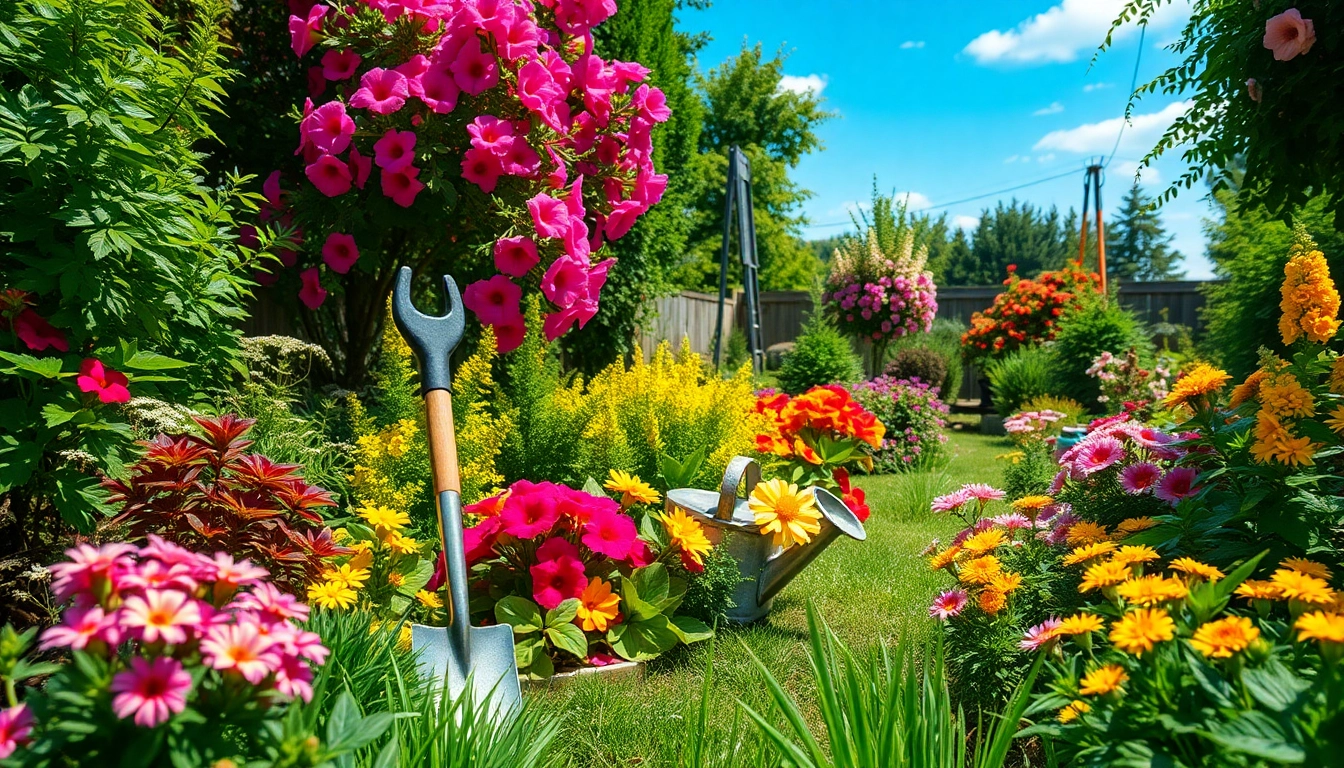
- Flower Gardening: Centered around ornamental plants for aesthetic purposes.
- Herb Gardening: Cultivating herbs for culinary or medicinal uses.
- Container Gardening: Utilizing pots for growing plants in limited space, ideal for urban settings.
- Vertical Gardening: Elevating plant growth by using structures to save space and enhance visual appeal.
- Organic Gardening: Emphasizing natural methods for soil fertility and pest management, avoiding synthetic chemicals.
- Permaculture: A holistic approach to gardening that aims for sustainability and self-sufficiency.
Choosing the right style involves assessing your available space, climate, and personal interests, as well as understanding your gardening goals.
Preparing Your Garden Space
Selecting the Right Location for Gardening
The location of your garden plays a crucial role in the success of your plants. Ideally, look for a spot that receives 6-8 hours of direct sunlight. Additionally, consider proximity to water sources and protection from strong winds. The area should also have good drainage to prevent waterlogging, which can harm plant roots. Furthermore, take note of any potential obstructions, like trees or buildings, that might cast shade and impact your garden’s light exposure.
For those gardening in urban areas, rooftops or balconies can be excellent alternatives. Here, gardeners can control sunlight exposure through clever arrangements and the selection of suitable plants.
Soil Preparation: Testing and Enhancing Soil Quality
Soil quality is the foundation of a thriving garden. Before planting, it’s essential to test your soil for pH levels, nutrients, and texture. Many soft garden supply stores or agricultural extension offices offer soil testing kits that can guide you on necessary amendments. Healthy soil is typically rich in organic matter, retains moisture, but also allows air circulation.
Enhancements can include:
- Composting: Incorporating decomposed organic materials to enrich the soil.
- Mulching: Using organic or inorganic materials to cover soil, conserve moisture, and suppress weeds.
- Using Fertilizers: Applying balanced fertilizers based on soil test recommendations for optimal plant growth.
Taking the time to prepare your soil will set the stage for productive growth and lessen the likelihood of plant diseases.
Essential Gardening Tools: Must-Haves for Every Gardener
Having the right tools can make gardening tasks easier and more efficient. Key tools every gardener should consider having include:
- Garden Trowel: Crucial for digging and transplanting.
- Pruning Shears: Important for trimming plants and harvesting produce.
- Gloves: Essential for protecting hands and providing grip.
- Watering Can: Necessary for precise watering, especially for container plants.
- Rake: Useful for clearing debris and preparing soil.
- Shovel: Useful for heavier digging.
- Wheelbarrow: Helpful for transporting soil, plants, and other materials across the garden.
Investing in quality tools can enhance your gardening experience and lead to better results, so consider the long-term benefits of choosing durable equipment.
Choosing the Right Plants for Effective Gardening
Understanding Plant Growth Requirements
When selecting plants, understanding their individual growth requirements is paramount. Each plant has specific needs concerning light, moisture, nutrients, and space. Before planting, consider:
- Climate and Hardiness Zones: Research which plants thrive in your local climate conditions.
- Sun Requirements: Know whether a plant prefers full sun, partial shade, or full shade.
- Water Needs: Determine whether plants require frequent watering or can thrive with minimal moisture.
This foundational knowledge allows for optimal plant selection that minimizes challenges down the line, ensuring a productive garden.
Seasonal Planting: When to Plant What
Timing is crucial in gardening, as different plants prefer specific seasons for optimal growth. Spring is typically the best time for planting most annuals and vegetables. Successful gardeners often have a schedule for planting based on climate zones:
- Cool-season crops: Such as broccoli and peas, can be planted in early spring and fall.
- Warm-season crops: Such as tomatoes and peppers, should be planted after the last frost in spring.
- Perennials: Best planted in the fall or early spring, depending on the type.
Utilizing a gardening calendar tailored to your local climate can help streamline planting efforts and maximize yields.
Companion Planting: What Works Best Together
Companion planting refers to the practice of growing different plants together for mutual benefits, such as pest repellence, pollination improvement, and nutrient enhancement. Some well-known combinations include:
- Tomatoes and Basil: This combination enhances tomatoes’ flavor while the basil repels pests.
- Carrots and Onions: The scents of these two vegetables deter each other’s pests.
- Corn, Beans, and Squash: Also known as the Three Sisters, they work together in a Native American planting technique, optimizing growth and making use of vertical space.
Studying beneficial relationships can lead to healthier plants, reduced pests, and increased yields.
Effective Gardening Techniques
Watering Strategies for Healthy Plants
Watering is a fundamental aspect of successful gardening. Each plant has different water requirements; therefore, establishing a watering schedule is vital. Understanding the following techniques can enhance your watering practice:
- Deep Watering: Encourages roots to grow deep in the soil, making plants more resilient during dry periods.
- Drip Irrigation: A system that delivers water directly to the plant’s roots, conserving water while ensuring adequate hydration.
- Misting: Ideal for certain plants that thrive in humid conditions, as this can replicate their natural environment.
Consistent monitoring of soil moisture levels can help you tailor your watering routine to meet the needs of your plants effectively.
Pest Control: Organic Solutions for Common Garden Pests
Dealing with pests is inevitable in gardening, but opting for organic solutions can prevent harm to beneficial insects and the ecosystem. Some effective organic pest control measures include:
- Natural Insecticides: Such as neem oil or insecticidal soaps that are safe for the environment.
- Encouraging Beneficial Insects: Such as ladybugs and lacewings, which prey on harmful pests.
- Homemade Solutions: A mixture of water and dish soap can help deter pests without the use of chemicals.
Regular monitoring and an understanding of pest life cycles can make pest management more manageable and less reactive.
Pruning and Maintenance for Optimal Growth
Routine maintenance, including pruning, is essential for keeping plants healthy and productive. Pruning allows you to remove dead or diseased branches, promotes better air circulation, and encourages fuller growth. Some tips on effective pruning include:
- Timing: Prune at the right time of year, which may vary for different plants.
- Tools: Ensure you use sharp and clean tools to avoid damaging the plant and spreading diseases.
- Technique: Make clean cuts just above nodes to promote healthy growth, and remove any dead or crossing limbs.
Regular maintenance checks help spot issues early, ensuring your garden thrives year-round.
Harvesting and Enjoying Your Gardening Success
When and How to Harvest Your Plants
Knowing when and how to harvest your plants can make the difference between mediocre and optimal quality produce. Each plant has its own harvest time, typically indicated by specific signs, such as color or size. Here are some guidelines:
- Fruits: Look for vibrant colors and fullness—tomatoes, for example, should be fully colored and firm.
- Vegetables: Tenderness and size matter; cucumbers should be harvested when they are still small and firm.
- Herbs: Snipping the tops encourages bushier growth and maintains quality.
Once harvested, handle your produce carefully to maintain freshness and overall quality, preparing them for immediate enjoyment or storage.
Preserving Your Harvest: Tips and Techniques
After harvesting, many gardeners seek to preserve their bounty, allowing them to enjoy the fruits of their labor throughout the year. Common preservation techniques include:
- Canning: A great option for fruits and vegetables, allowing for long-term storage while maintaining flavor.
- Freezing: Many vegetables can be blanched and frozen, preserving both taste and texture.
- Drying: Herbs and some fruits can be dried to concentrate flavors and prolong shelf life.
Researching preservation methods suitable for specific items will maximize the use of all that your garden offers.
Sharing the Joy of Gardening: Community and Resources
Finally, gardening can be a communal activity that fosters connections and knowledge sharing. Engaging with local gardening clubs or online forums can provide invaluable resources and camaraderie. Here, gardeners can:
- Exchange Tips: Share experiences and gain insights into what works best within your specific environment.
- Swap Seeds and Plants: A great way to diversify your garden.
- Participate in Workshops: These can enhance skills and introduce new gardening techniques or methods.
The supportive nature of gardening communities can transform your gardening journey and deepen your appreciation for this rewarding endeavor.