







Introduction to Gardening
Gardening is more than just a hobby; it’s a rewarding lifestyle choice that promotes health, sustainability, and creativity. By nurturing plants in your garden, you’re not only enhancing your living environment but also tapping into the joy of cultivating life. Whether you’re growing vegetables, flowers, or herbs, Gardening offers countless benefits to your physical and mental well-being. In this comprehensive guide, we will explore what gardening is, its benefits, how to get started, and essential skills for every gardener.
What is Gardening?
Gardening is the practice of growing and cultivating plants. It encompasses a range of activities, from planting seeds and nurturing seedlings to maintaining plants and harvesting their produce. Gardening can take place in a variety of environments, whether in backyard gardens, community plots, or urban settings. The essence of gardening lies in connecting with nature and utilizing skills that come from understanding ecosystems, plant biology, and horticulture.
Benefits of Gardening
Engaging in gardening has numerous benefits, both for individuals and the environment:
- Physical Health: Gardening is a great form of exercise, promoting physical activity that can improve cardiovascular health, strength, and flexibility.
- Mental Well-being: Spending time outdoors and tending to plants can significantly reduce stress, anxiety, and depression.
- Nutritional Advantages: Growing your own fruits and vegetables encourages a healthier diet and provides fresh produce that is free from pesticides and chemicals.
- Environmental Impact: Gardens support biodiversity, help with carbon sequestration, and can regulate local climates, making gardening beneficial for the planet.
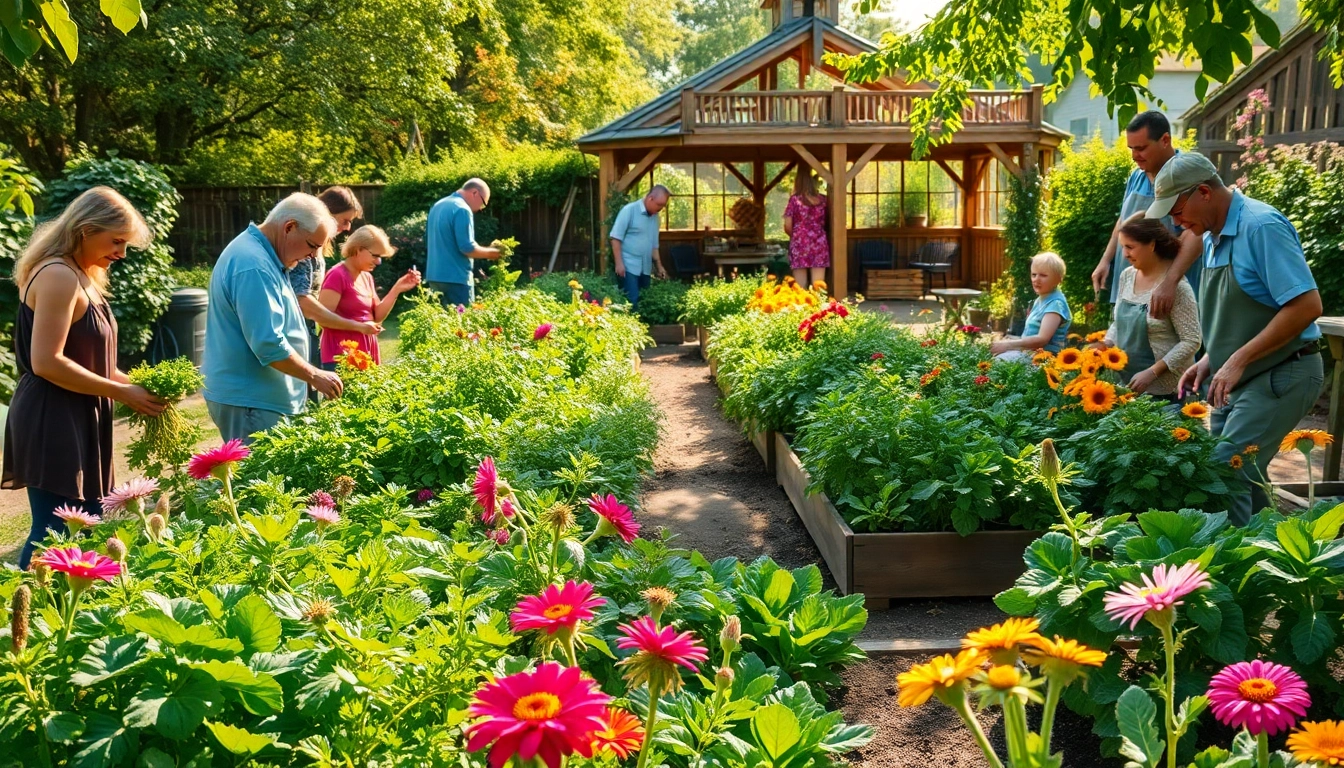
- Community Building: Whether it’s through community gardens or sharing harvests with neighbors, gardening fosters connections among people.
Getting Started with Gardening
To embark on your gardening journey, it’s essential to plan and prepare. Here are some key steps for beginners:
- Research and choose what you want to grow based on your climate, location, and interests.
- Gather the necessary tools and supplies, which we’ll discuss in detail later.
- Start small. Focus on a few plants or a small garden plot to keep your initial efforts manageable.
- Learn about the basics of plant care, including watering, fertilization, and pest management.
Choosing the Right Location for Your Garden
Understanding Sunlight Requirements
The location of your garden is critical to its success. Plants require different amounts of sunlight, so understanding their needs is the first step in site selection:
- Full Sun: Most fruiting plants and vegetables need 6 to 8 hours of direct sunlight daily.
- Partial Sun: Some plants thrive with 4 to 6 hours of sunlight, ideal for leafy greens and herbs.
- Shade: Certain plants can survive with less sunlight, but even they will require some light exposure.
Soil Quality and Preparation
The health of your garden largely depends on the quality of the soil. Here’s how to prepare your soil:
- Testing Soil: Conduct a soil test to evaluate pH, nutrient levels, and contamination. This will guide you in making necessary amendments.
- Amending Soil: Based on the test results, you may need to add organic matter, compost, or fertilizers to improve soil quality.
- Tilling: Prepare the soil structure by tilling it to enhance drainage and aeration.
Access to Water and Drainage
Water availability is vital for garden success. Consider the following:
- Proximity to Water Sources: Ensure your garden location is close to a water supply.
- Drainage: Good drainage prevents waterlogging and root rot. Create raised beds or amend soil to enhance drainage in heavy soils.
- Irrigation Systems: Consider using drip irrigation or soaker hoses to deliver water directly to plant roots efficiently.
Essential Gardening Tools and Supplies
Basic Tools Every Gardener Needs
To garden effectively, having the right tools is essential. Here’s a list of basic tools every gardener should have:
- Hand Trowel: Useful for digging small holes, transplanting seedlings, and mixing soil.
- Pruners or Shears: Important for trimming plants and cutting back overgrown foliage.
- Garden Fork: Aids in breaking up soil and turning compost.
- Watering Can or Hose: Essential for ensuring plants receive adequate moisture.
- Rake and Hoe: Helpful for maintaining the garden bed and creating furrows for planting.
Choosing the Right Plants for Your Space
Selecting the right plants is crucial for a thriving garden. Here are some tips:
- Consider Your Environment: Select plants that are suited for your climate, soil type, and sunlight exposure.
- Plant Types: Mix perennials, annuals, and herbs to create a diverse garden.
- Native Plants: Incorporate native flora, which requires less maintenance and supports local wildlife.
Materials for Garden Design
Designing your garden is an exciting step. Here are materials to consider:
- Mulch: Helps retain soil moisture and suppress weeds.
- Garden Edging: Use stones, wood, or plastic to define garden beds.
- Plant Labels: Keeps track of plant names and care instructions for better maintenance.
Gardening Techniques and Best Practices
Planting Techniques for Success
Implementing the right planting techniques is pivotal. Here are best practices:
- Planting Depth: Follow guidelines for each plant on how deep they should be planted; too deep or too shallow can hinder growth.
- Spacing: Give plants sufficient space for airflow and growth. Overcrowded plants can lead to increased pests and diseases.
- Timing: Align planting times with local climate conditions to optimize growth.
Watering and Fertilization Tips
Watering and fertilization are fundamental aspects of plant care. Consider the following:
- Watering Schedule: Water deeply but less frequently to encourage deep root growth. Early morning is the best time to water.
- Fertilization: Use organic fertilizers to maintain soil health and provide essential nutrients. Always check the specific needs for different plants.
- Observation: Monitor plants for signs of dehydration or nutrient deficiency to act promptly.
Weeding and Pest Control Strategies
Managing weeds and pests is crucial for a healthy garden. Here are strategies:
- Weeding: Regularly remove weeds by hand or use tools to prevent competition for nutrients.
- Pest Identification: Learn to identify common pests and their corresponding damage to take preventative measures.
- Natural Remedies: Utilize insecticidal soap, neem oil, or companion planting to deter pests without harmful chemicals.
Advanced Gardening Concepts
Companion Planting and Crop Rotation
Implementing advanced techniques can greatly enhance gardening success:
- Companion Planting: Plant species that benefit each other when grown together (e.g., tomatoes and basil).
- Crop Rotation: Change the type of crops planted in each section each year to prevent soil depletion and disease.
Creating a Sustainable Garden Environment
Creating a sustainable garden involves practices that support environmental health:
- Water Conservation: Utilize rainwater collection systems and xeriscaping principles.
- Organic Practices: Embrace organic gardening by avoiding synthetic fertilizers and pesticides and instead opting for compost and natural pest control.
- Diversity: Grow a variety of plants to support beneficial insects and pollinators.
Evaluating Your Gardening Progress and Adjustments
To refine your gardening skills, regular evaluations are essential:
- Progress Tracking: Maintain a garden journal to record planting dates, growth progress, and lessons learned.
- Adjustments: Be prepared to shift your strategies based on seasonal changes, plant performance, and personal observations.
- Community Learning: Share experiences and advice with local gardening groups to enhance your knowledge base.