




Effective Strategies for Successful Home Renovation Projects
Understanding the Basics of Home Renovation
Home renovation is a significant undertaking that can breathe new life into a space, increase property value, and enhance living quality. Homeowners often embark on renovation projects for various reasons, including outdated designs, the need for more space, or improving energy efficiency. Before diving into a renovation project, it’s essential to understand the foundations of home renovation, from its definitions to its common types and the need for such changes.
Definition and Purpose of Home Renovation
Home renovation refers to the process of improving or altering a residential property. This can range from simple cosmetic work, such as painting and flooring, to extensive structural modifications like adding new rooms or complete home rebuilds. The primary purpose of home renovation is to enhance functionality, comfort, and aesthetics while increasing the property’s market value. Renovations not only create a more enjoyable living environment but also provide a long-term investment opportunity for homeowners.
Common Types of Home Renovations
Understanding various types of home renovations can help homeowners make informed decisions regarding their projects. Some prevalent types include:
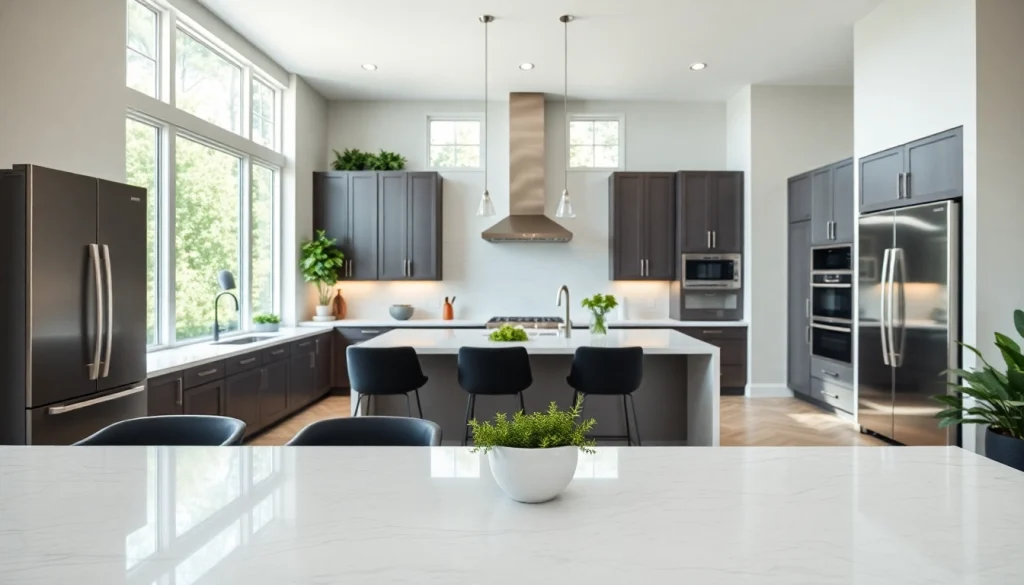
- Kitchens: A kitchen remodel is one of the most popular renovations, focusing on layout changes, appliance upgrades, and improved storage.
- Bathrooms: Updates may include new fixtures, improved lighting, and modern tile designs that enhance both practicality and aesthetics.
- Room Additions: Expanding the living space by adding a new room, such as a guest bedroom or home office, to accommodate changing needs.
- Exterior Renovations: Improvements to the exterior, including siding replacement, window upgrades, and landscaping, increase curb appeal.
- Energy-Efficient Upgrades: Implementing solar panels, better insulation, and energy-efficient windows can reduce utility costs and minimize environmental impact.
Assessing the Need for Home Renovation
Before starting a renovation project, it is crucial to evaluate your home’s current condition and your needs. Common indicators of the need for renovation include:
- Outdated design elements that no longer suit your lifestyle.
- Issues with functionality, such as insufficient space or poor traffic flow.
- Increasing maintenance costs due to aging components.
- Desire for improved energy efficiency and lower utility bills.
For those considering a Home renovation, assessing these factors will ensure your renovation decisions align with your goals and budget.
Planning Your Home Renovation: Steps to Follow
A well-organized renovation plan is essential for a successful project. The planning stage involves several crucial steps that create a roadmap from concept to completion.
Setting a Budget for Home Renovation
Budgeting is arguably one of the most critical components of any renovation project. To develop a realistic budget, consider the following steps:
- Determine the Total Budget: Assess what you can realistically spend on the entire project, including materials, labor, and permits.
- Itemize Costs: Break down expected costs into categories such as design, materials, labor, and unexpected expenses, which typically comprise 10-20% of the total budget.
- Research Costs: Gather estimates from professionals to gauge the costs associated with your specific project type.
- Set Priorities: Determine which elements are “must-haves” vs. “nice-to-haves” to make informed choices if budget limitations arise.
Creating a Timeline for Your Home Renovation
Establishing a timeline can help you manage expectations and track progress during the renovation process. Several factors will influence how long your project will take:
- Size of the Project: Larger renovations typically require more time, while minor updates can be completed swiftly.
- Permits and Approvals: Factor in time required to obtain necessary permits, which may vary by region.
- Season and Availability of Contractors: Demand for contractors can fluctuate seasonally, impacting project timelines.
By creating a realistic timeline and including buffer time for unforeseen delays, you can ensure peace of mind throughout the renovation.
Choosing the Right Materials for Home Renovations
Selecting quality materials is essential for ensuring the longevity and success of your renovation. Consider the following when making your choices:
- Durability: Invest in materials that stand up to wear and tear, especially in high-traffic areas.
- Aesthetic Appeal: Choose materials that reflect your style, enhancing the overall look and feel of your home.
- Environmental Impact: Opt for sustainable products that are eco-friendly, reducing your environmental footprint.
Design Tips that Enhance Your Home Renovation
Good design transforms a renovation project from simply functional to truly exceptional. Implementing effective design tips ensures that the enhancements not only look good but are also practical.
Incorporating Current Trends in Home Renovation
Keeping up with design trends can elevate your home’s aesthetic and market value. Consider the following current trends:
- Open Floor Plans: Merging spaces for a more spacious feel and better natural light flow is a preferred choice.
- Multifunctional Spaces: Design areas that can serve multiple purposes, such as a home office that doubles as a guest room.
- Smart Home Technology: Integrating technology for convenience, security, and savings on utility costs.
Maximizing Space Efficiency in Home Renovations
Space efficiency is critical, especially in smaller homes. Techniques to maximize space include:
- Utilizing Vertical Space: Adding shelves or cabinets to the walls to create more storage without sacrificing floor space.
- Choosing Multi-functional Furniture: Options like living room ottomans that can serve as storage or sleeper sofas can help.
- Optimal Layout Design: Analyzing the flow of space to determine the best arrangement for furniture and fixtures.
Balancing Style and Functionality in Home Renovation
A successful renovation strikes a balance between aesthetics and functionality. To achieve this:
- Prioritize Needs: Focus on functional requirements without compromising on design elements.
- Choose Timeless Designs: Invest in classic styles and colors that won’t go out of fashion quickly.
- Consult with Design Professionals: Leverage the expertise of architects or interior designers to optimize design elements.
Overcoming Common Challenges in Home Renovation
Despite careful planning, challenges can arise during home renovation. It’s crucial to anticipate common obstacles and develop strategies to address them.
Dealing with Budget Overruns in Home Renovation
Budget overruns are a frequent occurrence in renovation projects. To mitigate these risks:
- Establish a Contingency Fund: Setting aside extra funds for unexpected expenses helps cushion financial impacts.
- Monitor Spending: Regularly check the budget against actual spending to stay on track and make adjustments as needed.
- Make Informed Choices: Research alternatives and make cost-effective decisions without sacrificing quality.
Managing Delays During Home Renovation
Delays can disrupt your renovation timeline. To navigate these effectively:
- Stay Proactive: Maintain communication with contractors and stay updated on schedule changes.
- Plan for Brave Weather: In environments where weather may impact construction, schedule projects according to seasonal expectations.
- Be Flexible: Sometimes, adjustments are necessary. Being adaptable can reduce stress and maintain project momentum.
Ensuring Quality Work in Home Renovations
Quality assurance is key to achieving long-term satisfaction with your renovation. Strategies to ensure quality work include:
- Work with Reputable Contractors: Vet contractors through reviews, references, and previous work samples.
- Specify Project Details: Provide clear project specifications and expectations to all parties involved.
- Conduct Regular Inspections: Monitor progress and work quality throughout the project to catch any issues early.
Measuring Success in Your Home Renovation Project
Evaluating completed renovations helps gauge success and provides insights for future projects. Consider these measures when analyzing your renovation:
Evaluating the Impact of Home Renovation on Value
After a renovation, it’s vital to assess how changes have influenced your home’s value:
- Comparative Market Analysis: Assess how similar renovations have impacted property values in your neighborhood.
- Appraiser Consultations: Engaging an appraiser can provide an official valuation to understand the increase in home equity.
Gathering Feedback Post Home Renovation
Feedback from family and friends can help you assess the practical success of your renovation. Consider creating a list of questions for this purpose:
- Do the renovations meet the needs for functionality and space?
- How do the aesthetic changes affect your overall experience of the home?
- Were there any issues or features that were overlooked during renovation?
Future Maintenance after Home Renovation
A successful renovation requires ongoing maintenance to preserve its integrity and appearance. Develop a maintenance plan including:
- Regular inspections of newly renovated areas to catch potential issues early.
- Scheduled clean-ups and care for new appliances and fixtures.
- Staying informed about the best practices for maintenance specific to materials used.