







Getting Started in Gardening
Gardening is an enriching and fulfilling hobby that allows individuals to connect with nature, grow their own food, and enhance their surroundings. Whether you’re a seasoned green thumb or a complete beginner, understanding the fundamentals of gardening is essential for success. In this guide, we will explore everything you need to know, from choosing a suitable location, to understanding soil types, and selecting the right tools. By the end, you’ll be equipped with the knowledge to embark on your own Gardening journey.
Choosing the Right Location for Gardening
The foundation of any successful garden starts with the right location. When selecting a site for your garden, consider the following factors:
- Sunlight: Most plants require at least 6-8 hours of sunlight per day. Observe how sunlight moves over your chosen area throughout the day. Avoid shaded spots near trees or buildings.
- Accessibility: Choose a location that is convenient for watering, harvesting, and maintenance. This will encourage you to spend more time caring for your plants.
- Water Supply: Proximity to a water source is crucial. Ensure your gardening location is easily accessible for watering, or consider installing an irrigation system.
- Soil Drainage: Select a spot with good drainage. Gardens that are prone to standing water can lead to rot and pests.
- Wind Protection: If possible, position your garden near a natural barrier like a fence or hedgerow that can shield plants from harsh winds.
Understanding Soil Types for Successful Gardening
Soil is the lifeblood of your garden. Various types of soil have different components and characteristics affecting how plants grow. Here’s an overview of the primary soil types:
- Sandy Soil: Well-draining soil composed of larger particles. While it warms quickly, it holds less moisture and nutrients.
- Clay Soil: Dense soil that retains moisture but drains poorly. Compacted clay can hinder root growth; amending with organic matter can improve it.
- Silty Soil: Fertile soil with fine particles. Silty soil retains moisture and nutrients well, making it ideal for many plants.
- Loamy Soil: A balanced mixture of sand, silt, and clay. Loam is considered the best type of soil for most plants due to its ideal drainage and nutrient retention.
Conducting a simple soil test will help you understand your soil’s pH and nutrient levels, allowing you to amend and optimize for plant growth.
Essential Gardening Tools and Their Uses
The right tools can make gardening tasks easier and more efficient. Here’s a list of essential gardening tools:
- Hand Trowel: Ideal for planting, digging, and weeding in small spaces.
- Garden Fork: Useful for aerating soil and breaking up hard ground.
- Pruning Shears: Essential for trimming plants and maintaining healthy growth.
- Watering Can: Handy for watering small areas or container gardens.
- Gardening Gloves: Protect your hands from thorns, dirt, and blisters.
- Rake: Necessary for leveling soil and gathering leaves or debris.
- Hoe: Great for breaking up soil and controlling weeds.
Types of Gardening Techniques
There are various techniques to approach gardening, each offering unique advantages based on space, plant choice, and desired results. Understanding these will help you choose which method suits your needs best.
Container Gardening for Limited Spaces
Container gardening is an excellent solution for those with limited outdoor space or poor soil conditions. Suitable for apartments or small backyards, this method allows you to grow a wide range of plants, including vegetables, herbs, and flowers, in pots or containers. Important considerations when engaging in container gardening include:
- Choosing the Right Container: Use pots that have drainage holes and are large enough to accommodate the root systems of the plants you intend to grow.
- Soil Selection: Use a quality potting mix that provides adequate drainage and nutrients. Do not use garden soil, as it can compact in containers.
- Watering Needs: Containers dry out more quickly than traditional garden beds, requiring regular monitoring and watering schedules.
Raised Bed Gardening Benefits
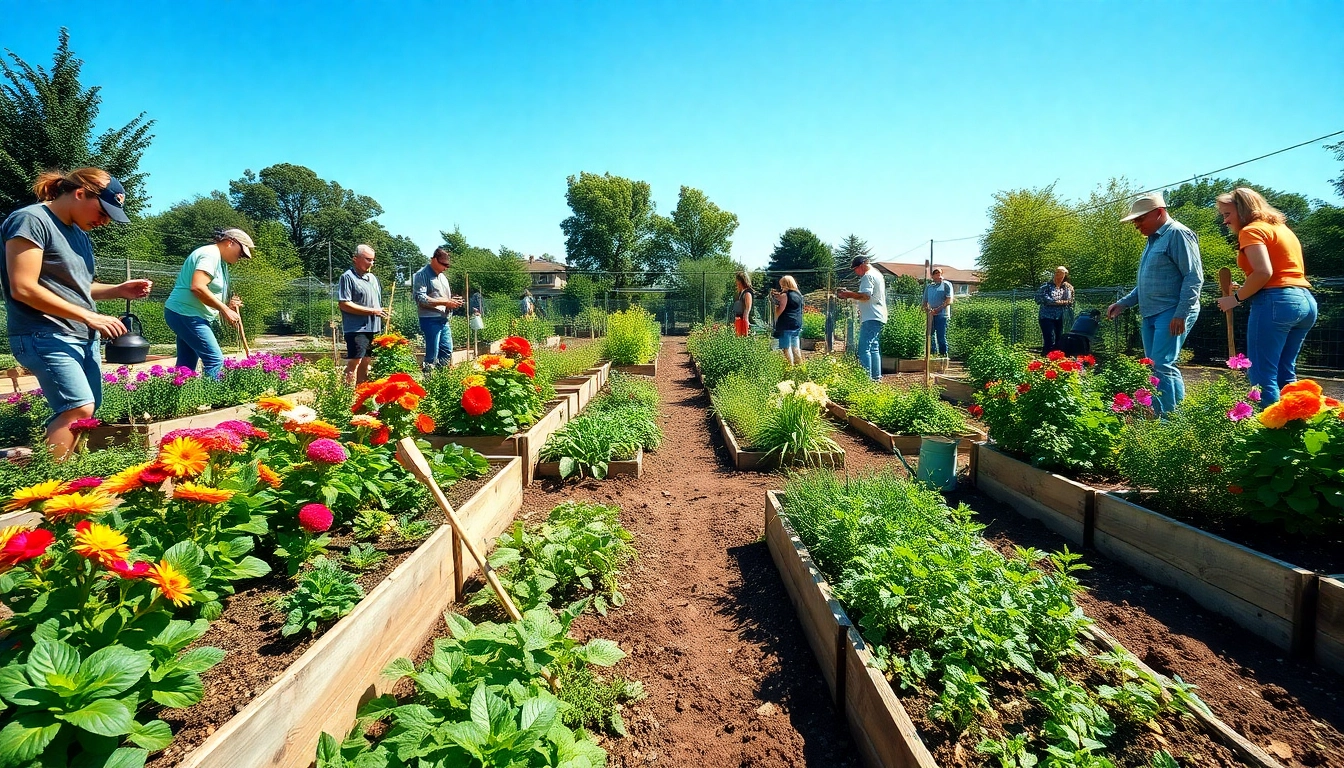
Raised bed gardening involves creating a garden bed above the ground level, typically enclosed with wooden or stone borders. This method has several benefits:
- Improved Drainage: Raised beds facilitate better water drainage, reducing the likelihood of waterlogged roots.
- Soil Quality: You have full control over the soil quality and can amend it as needed, ensuring nutrients are available for plants.
- Extended Growing Season: The soil in raised beds warms up faster in the spring, allowing for an earlier planting season.
- Less Soil Compaction: Fewer foot traffic on the beds prevents soil compaction, promoting healthy root growth.
- Accessibility: Raised beds can be designed to require less bending, making them easier to tend for those with mobility issues.
Hydroponics: Soil-Free Gardening
Hydroponics is an innovative gardening technique that allows plants to grow without soil, using nutrient-rich water instead. This method is ideal for urban gardeners and those looking to optimize space. Some key benefits include:
- Faster Growth Rates: Plants can grow more quickly in water solutions compared to soil due to higher nutrient availability.
- Space Efficiency: Hydroponics systems can be set up vertically or in compact spaces, maximizing growing area without needing large expanses of land.
- Less Water Usage: Hydroponics systems use significantly less water than traditional farming methods, making it an eco-friendly choice.
- Pest Control: Growing indoors or in controlled environments can reduce the likelihood of pests and diseases.
Plant Selection and Care
Choosing the right plants for your garden is critical. Not only should they fit your climate and space, but they should also align with your personal preferences for aesthetics or edibility. This section explores potential plants for newcomers and offers advice on how to care for them.
Best Plants for Beginners in Gardening
For rookie gardeners, some plants are easier to grow than others. Here are a few suggestions that can provide quick results and satisfaction:
- Radishes: Fast-growing and robust, they can be harvested within weeks from planting.
- Herbs: Plants such as basil, mint, and parsley are generally easy to grow, even in pots.
- Salad Greens: Lettuce and spinach thrive in cooler months and can be harvested multiple times.
- Marigolds: An excellent choice for garden borders, they help deter pests while adding color.
- Zucchini: Very productive and forgiving, zucchini can yield a plentiful harvest with proper care.
Seasonal Gardening: What to Plant When
Understanding your local climate and the ideal planting times for various crops is essential for maximizing yield. A basic seasonal guide includes:
- Spring: Focus on planting cool-season crops like peas, radishes, and lettuce.
- Summer: This season is ideal for planting warm-season crops such as tomatoes, peppers, and squash.
- Fall: It’s time for planting fall crops like kale, Brussels sprouts, and garlic.
- Winter: In milder climates, protect perennials and consider planting winter greens.
Avoiding Common Gardening Mistakes
Even experienced gardeners make mistakes. Here are some common pitfalls to avoid:
- Overwatering: This is a frequent error. Always check soil moisture before watering.
- Planting Too Deep: Many plants do best when planted just below the soil line. Check specific planting depths for different species.
- Ignoring Pests: Early intervention is key. Monitor plants regularly for signs of pests and diseases.
- Not Rotating Crops: Changing plant families each year helps prevent soil depletion and pest issues.
Maintaining a Thriving Garden
Once your garden is planted, maintaining it is just as critical as planting. This section discusses watering, pest control, and fertilization strategies to keep your garden flourishing.
Watering Techniques and Schedules for Gardening
Watering is one of the most crucial tasks in gardening. To ensure plants receive the right amount, consider these techniques:
- Deep Watering: It’s better to water deeply and less frequently than to water shallowly and often. This encourages deep root growth.
- Morning Watering: Watering in the early morning helps prevent evaporation and allows plants to absorb moisture before the day heats up.
- Mulching: Apply a layer of mulch around plants to conserve moisture and suppress weeds.
Natural Pest Control Strategies
Managing pests organically is key to maintaining a healthy garden without the risks associated with chemicals. Here are a few strategies:
- Beneficial Insects: Introduce ladybugs and lacewings; these natural predators will help keep harmful insect populations in check.
- Neem Oil: An organic pesticide that can control many pests when applied correctly to affected areas.
- Companion Planting: Certain plants, such as marigolds, deter pests when planted alongside more vulnerable plants.
Fertilization Basics for Healthy Plants
Healthy plants require adequate nutrients, which can be supplied via organic fertilizer or compost. Here’s how:
- Soil Test: Test your soil to see what nutrients are needed before applying fertilizer.
- Organic Options: Consider using compost, well-rotted manure, or organic fertilizers that release nutrients slowly over time.
- Feeding Schedule: Establish a fertilization schedule based on the growth cycle of your plants; many thrive on monthly applications during the growing season.
Advanced Gardening Concepts
For those looking to deepen their expertise, advanced gardening concepts can enhance your gardening experience, sustainability, and productivity. We will explore techniques that can elevate your skills further.
Permaculture: Sustainable Gardening Practices
Permaculture is a holistic approach to gardening that emphasizes sustainability, efficiency, and harmony with nature. Implementing permaculture principles include:
- Designing with Nature: Use natural elements like trees, water, and wind patterns to your advantage in your garden layout.
- Diversity: Integrate a variety of plants to create a balanced ecosystem that supports each other and minimizes pests.
- Closed Loops: Focus on reducing waste and reusing materials, such as utilizing kitchen scraps for compost.
Composting for Nutrient-Rich Soil
Composting is the process of recycling organic matter, including kitchen scraps and yard waste, into a valuable soil amendment. Here’s how to start:
- Choose a Bin: Opt for a compost pile or a contained bin depending on your space limitations.
- Balance Greens and Browns: Compost requires a mix of green materials (nitrogen-rich) and brown materials (carbon-rich). Aim for a 2:1 ratio for the best results.
- Monitor Moisture and Temperature: Maintain the right moisture level, and turn the pile regularly to aerate it and speed up decomposition.
Using Technology to Enhance Your Gardening Efforts
Technological advancements can make gardening easier and more efficient. Consider incorporating the following tools:
- Smart Sensors: Utilize soil moisture sensors to notify you when your plants need watering.
- Garden Planning Apps: These apps can help you plan layouts, track plant progress, and set reminders for key gardening tasks.
- Automated Irrigation: Automated systems can save time and ensure your plants receive the right amount of water.
With this comprehensive guide to Gardening, you are now prepared to launch into your gardening adventure. Whether you choose container gardening, delve into raised beds, or experiment with hydroponics, the ultimate goal is growth—of plants and your gardening skills alike. Happy planting!